Introducing a New Chapter for ‘Uncanny Valley’.
As the calendar year gracefully draws to a close, a significant announcement unfolds for the loyal listeners of WIRED’s Uncanny Valley podcast. Hosts Michael Calore, Director of Consumer Tech and Culture, and Lauren Goode, Senior Correspondent, have some pivotal news to share, but not before taking a moment to unwind by the pool, reflecting on the technological landscape of the past year and gazing into the crystal ball for what 2026 might hold. Amidst the gentle lapping of water and the distant chirping of birds – which Michael lightheartedly dubs "the comment section" – they prepare to usher in a new era for the beloved show.
The big revelation is that this episode marks Michael and Lauren’s final appearance as the primary hosts of Uncanny Valley. However, listeners need not fret, as the podcast itself is far from ending. It will continue its mission of delivering WIRED’s unparalleled reporting, insightful analysis, and informed perspectives on the dynamic world of Silicon Valley. Beginning in the upcoming year, the show will embark on a fresh chapter with a new trio at the helm: Brian Barrett, Zoë Schiffer, and Leah Feiger. Before this exciting transition, Michael and Lauren offer their final, special "WIRED and TIRED" picks, a cherished segment designed to guide listeners into the holiday season with a clear view of what’s trending up and what’s fading out in the tech realm.
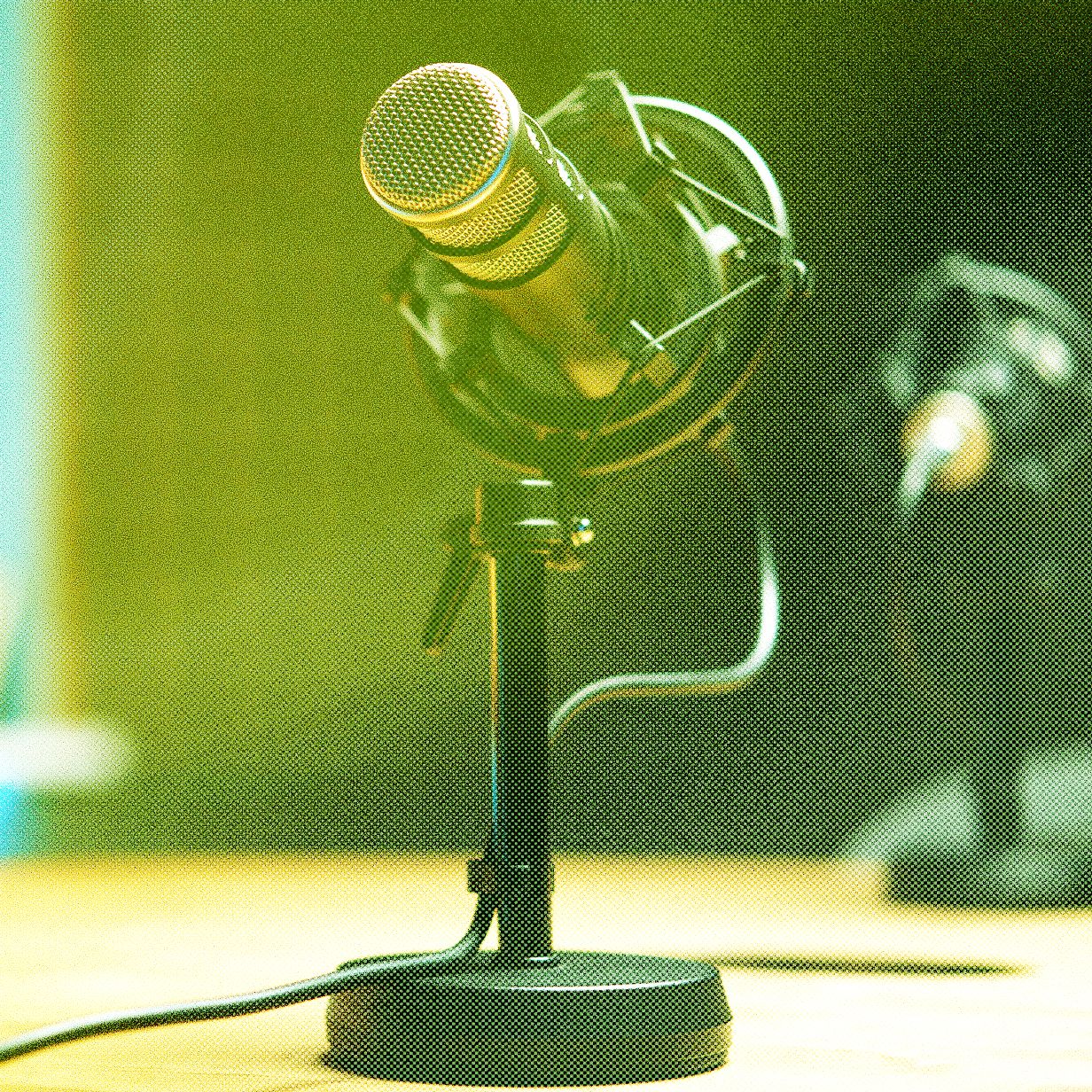
Michael Calore kicks off the "WIRED and TIRED" segment with a bold prediction. His "TIRED" pick is the pervasive reliance on voice-activated AI assistance embedded in hardware – everything from smartwatches and pendants to rings and glasses. He argues that the constant need for a wake word or a tap to initiate a spoken command has become cumbersome and often falls short of a truly seamless experience. In contrast, his "WIRED" pick for the future is "silent AI assistance." This vision aligns with the long-standing concept of "ambient computing," where devices intelligently react to a user’s presence and anticipate their needs without requiring any explicit input. Imagine walking into your home and the lighting, temperature, and music adjusting automatically, based on an ambient awareness derived from a combination of sensors, location data, and predictive AI. This paradigm shift, Michael suggests, is on the horizon, potentially fueled by ambitious projects like OpenAI’s mystery hardware collaboration with Jony Ive and Meta’s recruitment of top Apple design talent. The undeniable downside, however, is the profound implication for user privacy, a challenge that will require careful navigation.
Lauren Goode then presents her "WIRED and TIRED" picks, looking at the broader economic and ethical dimensions of the tech industry. Her "WIRED" trend for 2026 is a resurgence of Initial Public Offerings (IPOs). After a period of relative quiet, she anticipates a major wave of highly anticipated or rumored tech giants finally going public. Companies like Stripe, OpenAI, Anthropic, Notion, Databricks, and even SpaceX are among those expected to make their market debut. This would represent a significant "mega cap liquidity event" for the tech world, potentially creating a new generation of millionaires and influencing how capital is reinvested into the tech economy. Lauren emphasizes that these companies, having raised colossal amounts of venture capital and boasting massive private valuations, will face intense scrutiny once public. They will be required to report financials quarterly, demanding "truly aggressive revenue strategies" and offering journalists an unprecedented look into their inner workings.
Conversely, Lauren’s "TIRED" pick is the notion of "tech CEOs as saviors," asserting that they "never should have been, really." She points out that, at their core, tech CEOs are driven by product sales, user acquisition, and influencing officials to secure favorable deals. While journalists at WIRED have long understood this dynamic, she believes it has become abundantly clear that these leaders should not be looked to for "any kind of moral guidance." The industry, she argues, must be reported on as it is, not as one might wish it to be, signaling a more pragmatic and critical stance from the media.
Transitioning from their poolside reflections, Michael and Lauren return to the studio in their San Francisco offices to introduce the new hosts. Leah Feiger, WIRED’s fantastic Senior Editor of Politics, is absent for this episode, but Brian Barrett and Zoë Schiffer are on hand to greet listeners and share their excitement.
Zoë Schiffer, already a familiar voice to Uncanny Valley listeners from her appearances on news episodes, is introduced as WIRED’s Director of Business and Industry. Known for her keen insight into the inner workings of Silicon Valley, Zoë also authored the book Extremely Hardcore, which chronicles Elon Musk’s tumultuous takeover of Twitter. When asked about the most surprising aspect of her reporting for the book, Zoë candidly admits that it was "the easiest reporting I’ve ever done" due to Musk’s propensity for constantly creating new sources and the willingness of individuals within that story to speak. She humorously recalls Musk’s sole response to her messages: a crying laughing emoji, which she half-jokingly considers an upgrade from his infamous poop emoji and a sign of "close friends, comrades."
Lauren recalls Zoë’s prescient prediction regarding DOGE’s takeover within the government, made just weeks before events unfolded. Zoë had correctly foreseen that it would mirror the chaos of Musk’s Twitter acquisition. She elaborates on the similarities, noting the communication style, the "zero-based budgeting" approach, and the aggressive cost-cutting. However, a key difference emerged: while Musk benefits from a small, rapid feedback loop in his private companies, allowing for quick pivots, the government environment operates with a much longer, delayed feedback loop. This means the full ramifications of his decisions on DOGE might not be apparent until he has already ostensibly stepped back, creating a fundamentally different and potentially more problematic scenario. Despite the success of Extremely Hardcore, Zoë firmly declines the idea of a sequel titled Extremely Hardcore Inside Elon Musk’s DOGE.
Next, Brian Barrett, WIRED’s Executive Editor, takes the stage. While he "operates in the shadows" as Zoë playfully suggests, Brian has a long and distinguished career in journalism, having previously served as Editor-in-Chief of Gizmodo. Michael reveals an intriguing detail about Brian’s past: he spent several years as a business reporter for the Yomiuri Shimbun, a Japanese newspaper that, at the time, boasted the largest circulation in the world. Brian clarifies that he was based in the New York Bureau and, surprisingly, did not speak Japanese nor had he ever been to Japan. His role was primarily reporting – conducting interviews, research, and assisting his Japanese counterparts, offering him a crash course in asking tough questions and capturing information effectively.
A favorite anecdote shared by Michael about Brian’s time at the Yomiuri Shimbun revolves around their unique baseball reporting structure. Out of five Japanese journalists in the New York office, one sports reporter was solely dedicated to covering Hideki Matsui, the Japanese slugger for the New York Yankees, while the other sports reporter covered "everything else." This detailed, almost obsessive, focus on a single star player highlights a fascinating cultural approach to sports journalism. Lauren praises Brian’s incredible speed and sharp intellect in his writing, noting how he can produce incisive analyses on breaking tech news, such as OpenAI’s deal with Disney, almost instantaneously. Brian attributes this ability to his formative years at Gawker Media’s Gizmodo, where the demand was to write seven or eight stories a day, forcing him to quickly find interesting angles and develop rapid typing skills, now combined with seasoned reporting experience.
The segment concludes with the hosts, both old and new, sharing their personal recommendations. Zoë’s recommendation is a photo essay published in The New York Times Magazine in November, exploring the phenomenon of people falling in love with AI chatbots. She found it to be the "most empathetic and honest look" at the topic, avoiding the common pitfall of othering or laughing at individuals engaged in such relationships. The piece resonated with her, offering a profound understanding of why these connections felt real and meaningful to the participants.
Brian’s recommendation, delivered with a mischievous grin, is an "up-and-coming band" called Twin Dimensions. Describing their sound as a blend of "psychedelic" and "post-punk," he highlights their latest EP, Trans Lunar, released in October. The playful reveal quickly follows: the band’s bassist and co-creator is none other than Michael Calore himself. Brian earnestly praises the music, even naming three specific tracks – "Unwound Inside," "Paradise," and "Klik Klak" – and singling out "Careening" as the lead track that distills the band’s essence, demonstrating a surprising depth of knowledge about Michael’s musical endeavors.
Lauren’s recommendations are twofold, both inspired by Michael. Her first is a call for greater participation in the "circular economy" and secondhand shopping in the new year. This idea stems from Michael’s discovery of a pair of high-quality Chelsea boots for just $10 at a flea market, which would normally retail for $200. She advocates for utilizing platforms like neighbors’ groups, buy-nothing groups, and apps like Lucky Sweater (which facilitates clothing trades) to reduce waste and embrace sustainable consumption. Her second recommendation is a deeply heartfelt one: "make a podcast with one of your best friends." Reflecting on her nearly eight years co-hosting with Michael, and his decade-long tenure, Lauren expresses profound gratitude for the joy and camaraderie the podcast has brought, even amidst the challenges of weekly production and covering difficult news. She thanks Michael, affectionately calling him "Snackfight," for brightening her days.
Caught off guard by Lauren’s moving tribute, Michael humorously admits he "just had to say something I totally wrote." His recommendation is the redesigned American Giant zipper hoodie. He recounts the original hoodie’s fame, popularized by a hyperbolic Slate article calling it "the greatest hoodie ever made," leading to over a million sales. The new version, while retaining its signature durability (double-lined hood, elbow patches, chunky zipper), is now "softer" and "fits a little bit looser," making it more comfortable and appealing. He suggests it as an ideal option for both long-time fans and those who might have been previously unsatisfied.
As the episode draws to a close, Michael expresses his sincere appreciation to Lauren, acknowledging that the "wonderful run" would not have been the same without her. Lauren reciprocates the sentiment, looking forward to "new things in the new year" for both of them and thanking the listeners for their support over the years. They assure the audience that they will remain active on wired.com and online.
This episode, produced by Adriana Tapia, mixed by Amar Lal at Macro Sound, with Kate Osborn as executive producer and Katie Drummond as WIRED’s global editorial director, marks a significant moment for Uncanny Valley. It’s a fond farewell to two beloved voices and an exciting prelude to the fresh perspectives that Brian Barrett, Zoë Schiffer, and Leah Feiger will bring to the microphone in the new year, ensuring the podcast continues to thrive as a vital source of tech insight. Listeners are encouraged to follow the show, rate it on their preferred podcast app, and send comments or suggestions to uncannyvalley@WIRED.com.