Thailand and Cambodia reach ceasefire deal to end weeks of fighting
Phnom Penh/Bangkok – December 26, 2025 – After weeks of deadly and destabilizing border clashes, Thailand and Cambodia have successfully negotiated an immediate ceasefire, a crucial development announced in a joint statement issued by Phnom Penh on Saturday. The agreement, set to take effect at noon local time on December 27, 2025, aims to bring an end to a protracted and often violent dispute that has claimed dozens of lives and displaced a staggering one million people along their shared frontier.
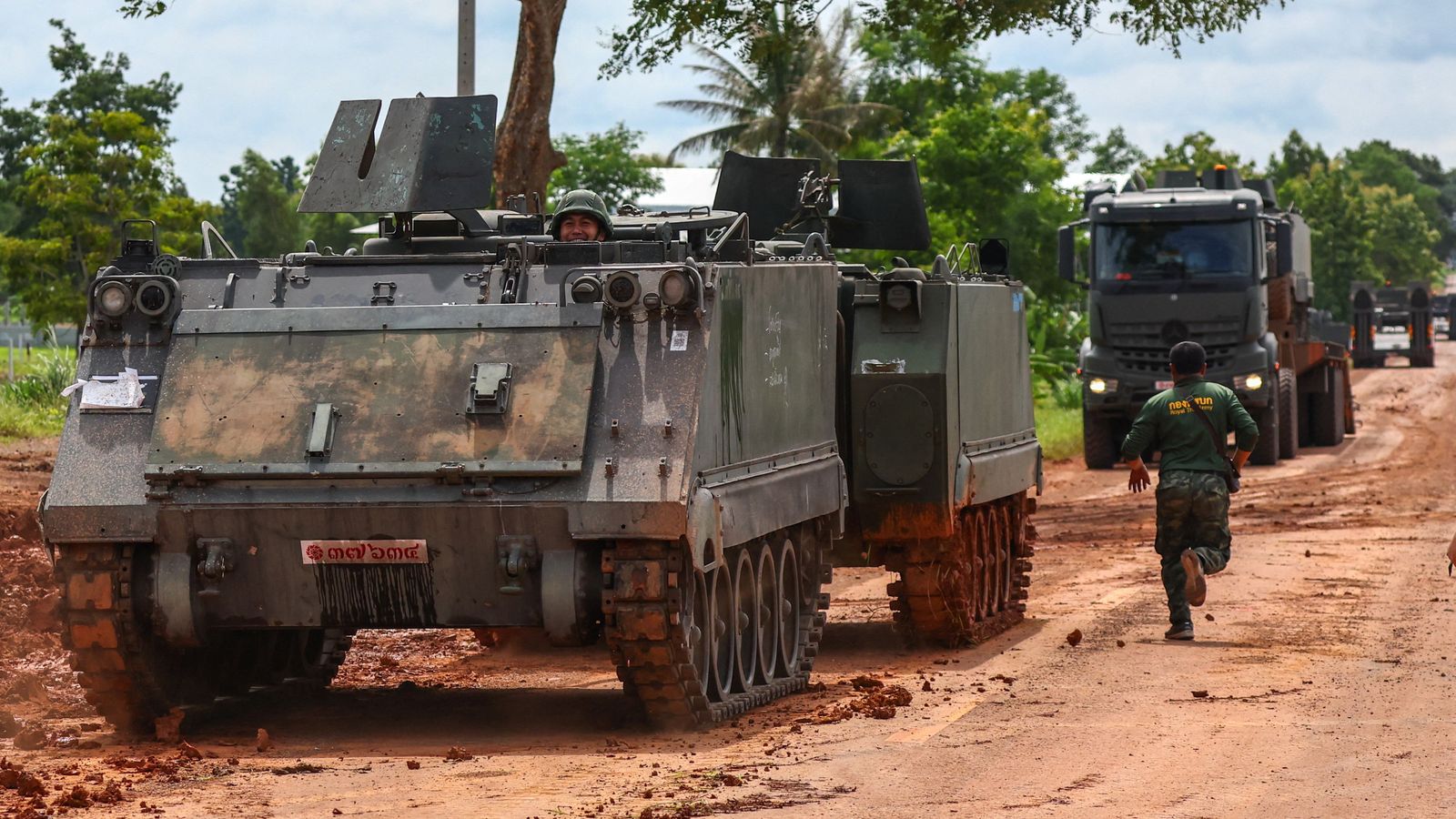
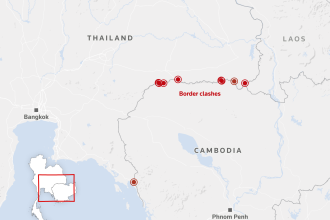
The long-standing border conflict between the two Southeast Asian neighbors, rooted primarily in disagreements over ancient temple sites and ill-defined territorial lines, reignited with ferocious intensity this month. This latest escalation shattered an earlier, fragile truce established in July, plunging the region back into a cycle of violence. Official counts indicate that at least 47 individuals, both military personnel and civilians, have perished in the recent fighting, while the humanitarian crisis deepened dramatically with widespread displacement.
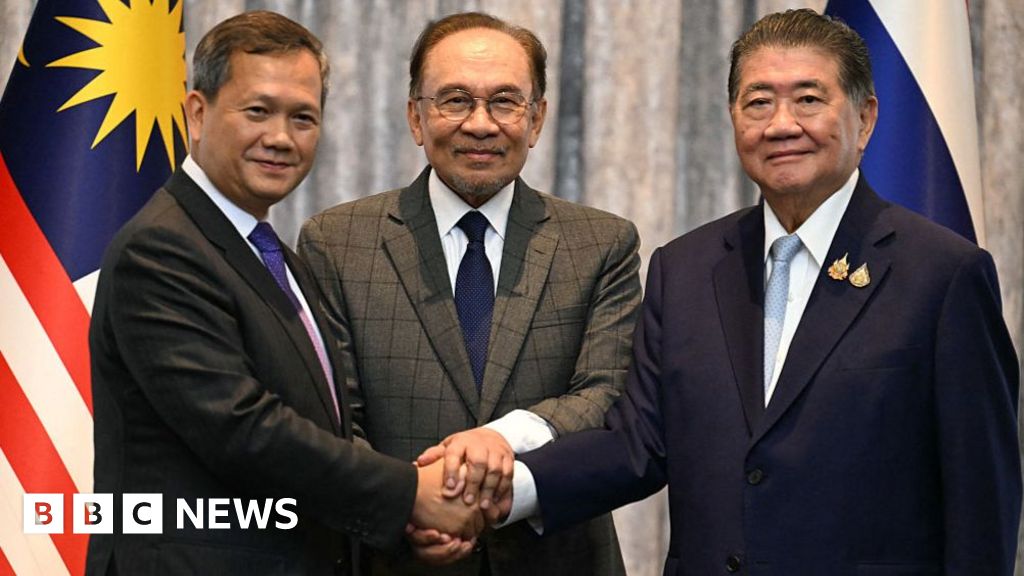
The joint statement, signed by the defense ministers of both nations, outlines a comprehensive framework for de-escalation and peace. "Both sides agree to an immediate ceasefire after the time of signature of this Joint Statement with effect from 12:00 hours noon (local time) on 27 December 2025, involving all types of weapons, including attacks on civilians, civilian objects and infrastructures, and military objectives of either side, in all cases and all areas," the document declared. This explicit prohibition on targeting non-combatants and civilian infrastructure underscores the severe impact the conflict has had on local populations and aims to prevent further humanitarian catastrophe.
Beyond the cessation of hostilities, the agreement mandates a freeze on all troop movements, a critical step to prevent further confrontations and allow for a cooling-off period. Crucially, it also paves the way for the safe return of civilians who had been forced to abandon their homes in border areas. The plight of these displaced individuals has been a major concern for international aid organizations and regional bodies, and their safe resettlement is paramount for restoring normalcy. Furthermore, the two countries have pledged to cooperate on vital demining efforts—a necessary measure given the historical use of landmines in the region—and to combat cybercrime, indicating a broader scope of collaboration beyond immediate military concerns.
The core of the territorial dispute centers around a scattering of ancient Hindu temples, particularly the 11th-century Preah Vihear temple, a UNESCO World Heritage site. While the International Court of Justice (ICJ) ruled in 1962 that the temple itself belongs to Cambodia, the exact demarcation of the surrounding land has remained a contentious issue, leading to recurrent flare-ups over the decades. The ambiguity of colonial-era maps and differing interpretations of geological features have fueled a persistent sense of grievance and territorial claim on both sides, making these sites flashpoints for nationalistic sentiments and military confrontations.
The recent outbreak of hostilities, marked by exchanges of artillery fire and small arms, transformed peaceful border communities into war zones. Villages were emptied, schools shuttered, and economic activities halted. The one million displaced people faced dire conditions, seeking refuge in makeshift camps, local temples, or with relatives further inland. Access to food, clean water, medical supplies, and education for children became immediate challenges, straining the resources of local authorities and humanitarian agencies. The psychological toll on these communities, living under the constant threat of renewed violence, has been immense. The agreement’s provision for their return offers a glimmer of hope, though the process of rebuilding lives and trust will be long and arduous.
This breakthrough follows three intense days of bilateral border talks, which themselves were initiated in the wake of an emergency crisis meeting of foreign ministers from the Association of Southeast Asian Nations (ASEAN). The regional bloc, of which both Cambodia and Thailand are members, convened on December 22, 2025, in Kuala Lumpur, Malaysia, recognizing the urgency of the situation and the potential for wider regional instability. ASEAN’s role in facilitating dialogue and exerting diplomatic pressure proved instrumental, highlighting its growing capacity as a regional arbiter in internal disputes, even while adhering to its principle of non-interference.
International actors also played a significant part in pushing the warring neighbors towards reconciliation. The United States, China, and Malaysia were among the prominent nations that urged Thailand and Cambodia to resume ceasefire negotiations. The United States, keen on maintaining stability in a strategically vital region and preventing potential humanitarian crises, lent its diplomatic weight to the efforts. China, with its increasing economic and political influence in Southeast Asia, also advocated for peace, likely seeking to protect its investments and maintain its image as a responsible regional power. Malaysia, as a close neighbor and fellow ASEAN member, had a direct interest in seeing an end to the conflict that could spill over its own borders or disrupt regional trade and security.
The current ceasefire deal, while a significant achievement, arrives with the sobering memory of past failures. A previous truce brokered in July, following five days of intense fighting that also claimed lives and displaced thousands, proved to be short-lived. That agreement, too, was the result of extensive diplomatic efforts, but ultimately succumbed to renewed tensions and unresolved underlying issues. This historical precedent underscores the fragility of such agreements and the need for robust monitoring mechanisms and genuine political will from both sides to ensure its longevity.
The challenges ahead are considerable. Trust between the two armies, historically strained, needs to be rebuilt. Mechanisms for verifying troop withdrawals and ensuring the non-targeting of civilians must be established and meticulously observed. Demining operations will require significant resources and expertise, and the safe return of displaced populations will depend on the effectiveness of these efforts. Furthermore, the fundamental issue of border demarcation, which has plagued relations for decades, remains unresolved. While a ceasefire addresses the immediate violence, a lasting peace will necessitate continued, good-faith negotiations to definitively delineate the contested territories.
For the region, the ceasefire offers a much-needed reprieve. Prolonged conflict between Thailand and Cambodia would not only have devastating consequences for their own populations but also risk undermining regional stability, disrupting trade routes, and potentially drawing in other regional or international actors. The successful negotiation of this ceasefire is a testament to the power of diplomacy and the collective commitment of regional and international partners to prevent further bloodshed. However, the true test of this agreement will lie in its implementation and the willingness of both nations to move beyond immediate cessation of hostilities towards a comprehensive and enduring resolution of their territorial disputes. The path to lasting peace will undoubtedly be complex, but for the millions affected by the conflict, this ceasefire represents a vital step forward.