Texas Gov. Greg Abbott announces run for fourth term, touts property tax plan, economy, policies
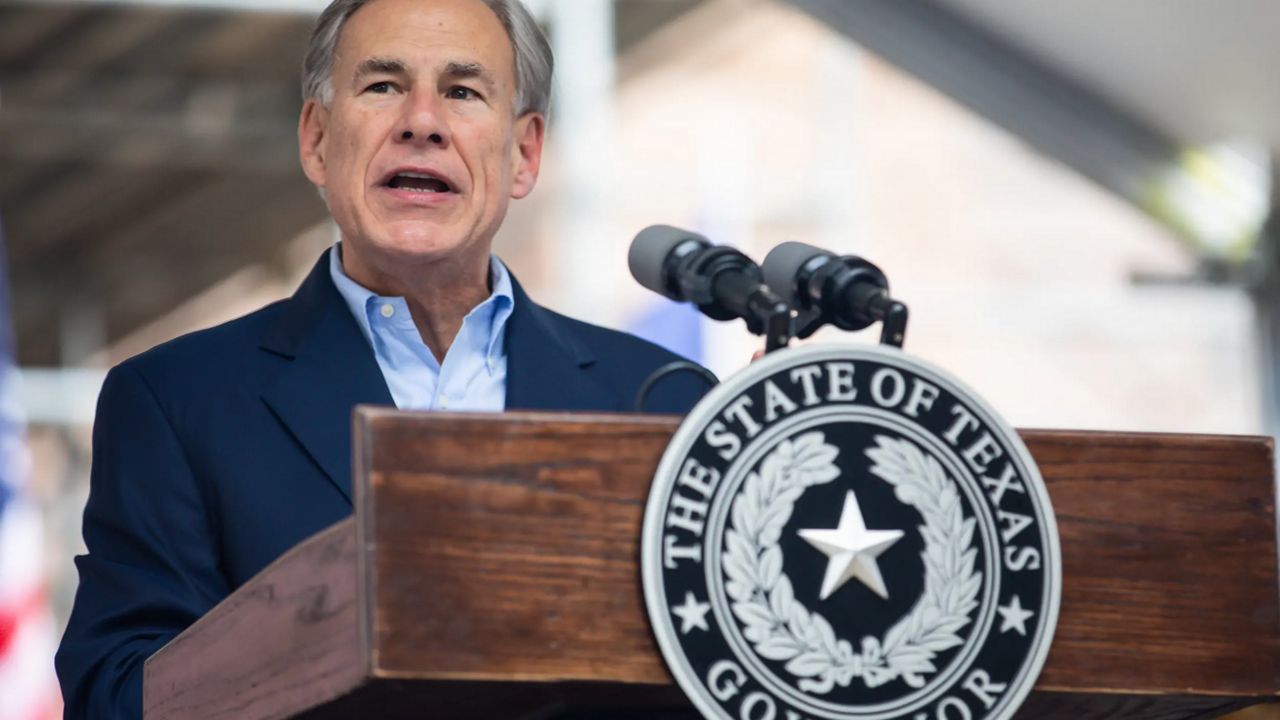
Texas Governor Greg Abbott officially declared his intention to seek an unprecedented fourth term as the state’s chief executive on Sunday evening, setting the stage for a high-stakes gubernatorial race in 2026. Making his special announcement from Houston, a city he intimately described as the place where he rebuilt his life after a life-altering accident, Abbott unveiled a vision for Texas that emphasized economic prosperity, a sweeping property tax reform plan, and a steadfast defense of conservative policies. His bid for re-election underscores his long-standing influence in the Lone Star State, positioning him to potentially become the longest-serving governor in Texas history, surpassing even Rick Perry’s 14-year tenure.
The announcement, delivered with characteristic resolve, resonated deeply with his personal narrative. Abbott recounted how, after the accident that left him paralyzed, he learned that "our lives don’t have to be determined or defined by how we’re challenged. We get to define our lives by how we respond to those challenges." This message of resilience, he asserted, is a "trademark" of Texans themselves, a spirit he vowed to embody in continuing to lead the state. "As Texans, we will defend this state with every fiber of our being," Abbott declared to an enthusiastic crowd. "We will protect what we built, we will finish what we started. We will lead Texas into its glorious future! And that’s why tonight, I’m here to announce I am running for reelection as your governor for the great state of Texas."
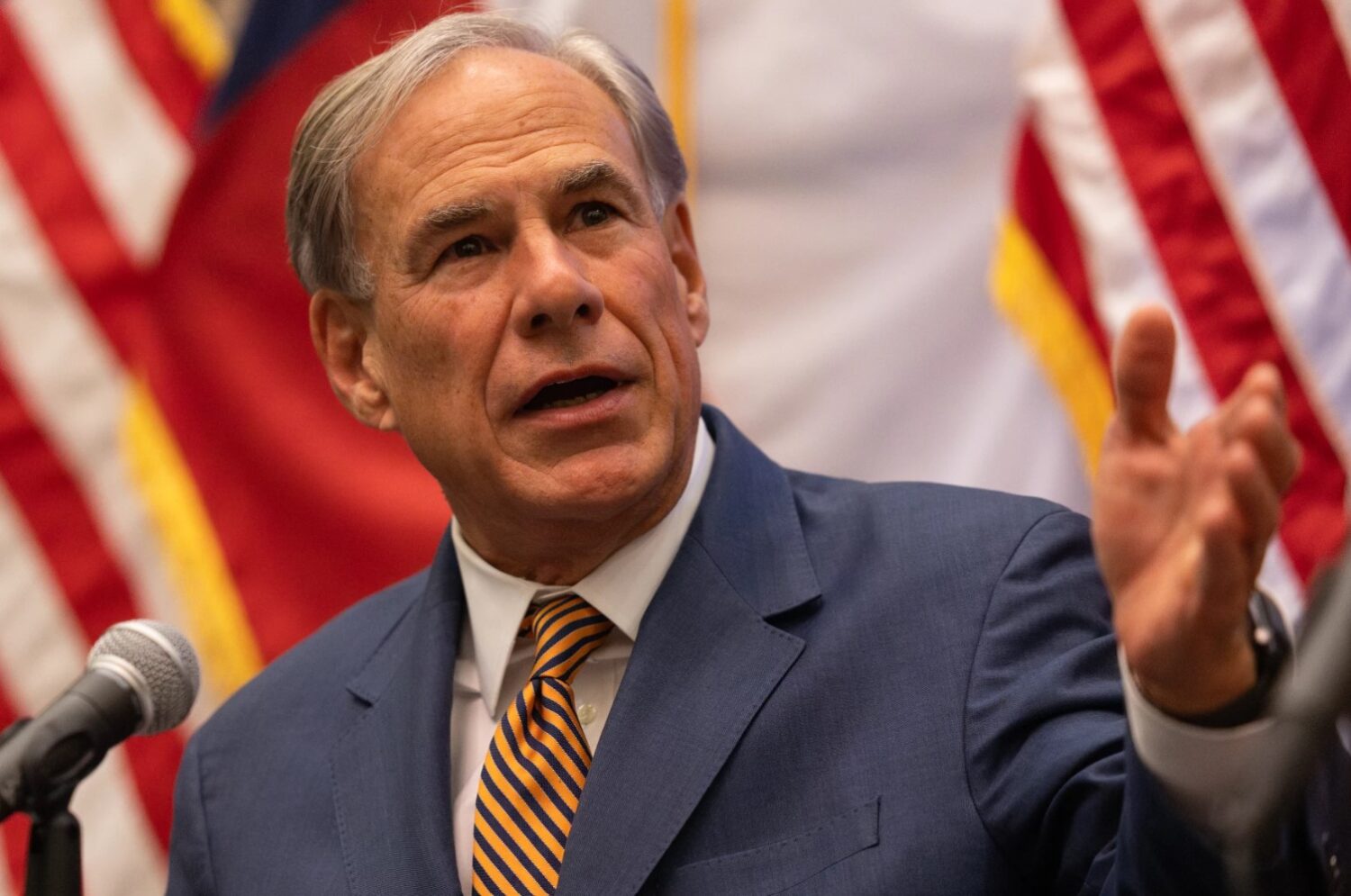
Central to Abbott’s re-election platform is his robust defense of Texas’s economic prowess. He proudly touted the state’s standing as the 8th largest economy in the world, a testament, he argued, to the state’s pro-business environment and low-tax policies. He highlighted Texas’s status as "number one" in electricity generation, a point often emphasized in discussions about energy independence, though it also implicitly acknowledges the challenges faced by the grid during extreme weather events. More broadly, Abbott asserted that the Texas economy is "growing twice as fast as the United States’ economy," a statistic he frequently uses to underscore the state’s exceptional performance in job creation, population growth, and attracting major corporations. This narrative of economic dynamism forms a crucial pillar of his campaign, aiming to appeal to voters who prioritize financial stability and opportunity.
Beyond economic boasts, Governor Abbott unveiled a significant and ambitious property tax reform plan designed to address what he described as "skyrocketing appraisals" that burden homeowners across the state. His proposals include empowering voters to decide on the complete elimination of school property taxes, a move that would fundamentally reshape how public education is funded in Texas. Furthermore, he advocated for a requirement that any future property tax hikes necessitate a two-thirds voter approval, shifting significant power from local taxing authorities directly to the electorate. "It’s time to drive a stake through the heart of local property tax hikes for good," Abbott proclaimed. "We are going to turn the tables on local taxing authorities, put the power with the people, and put an end to out-of-control property taxes in Texas." This initiative comes on the heels of Texas voters recently approving constitutional amendments aimed at reducing property taxes, signaling a sustained effort by the state government to alleviate this pressing financial concern for residents. The plan, if implemented, would represent a seismic shift in local governance and finance, appealing directly to a broad swath of property owners feeling the squeeze of rising costs.
Abbott’s nearly decade-long tenure as governor, preceded by his role as the state’s Attorney General from 2002 to 2015, has been marked by a series of landmark conservative legislative achievements. First elected in 2014 and sworn into office on January 20, 2015, he has consistently championed policies aligned with the Republican Party’s platform. During the 2015 Legislative session, he signed the controversial "campus carry" and "open carry" bills into law, significantly expanding gun rights by allowing licensed individuals to carry concealed handguns on public college campuses and openly in public areas, respectively. These measures were met with both fervent support from gun rights advocates and strong opposition from those concerned about public safety.
In May 2021, Abbott signed the Texas Heartbeat Act (SB 8), which became one of the most restrictive abortion laws in the nation, banning most abortions after cardiac activity is detected, typically around six weeks of pregnancy. The law gained national attention not only for its strictness but also for its unique enforcement mechanism, allowing private citizens to sue anyone who aids or abets an abortion, a feature designed to bypass federal court challenges. That same year, he launched Operation Lone Star, a multi-agency collaboration involving the Texas Department of Public Safety (DPS) and the Texas Military Department. This initiative deploys state troopers, National Guard personnel, and other resources to enhance border security, a policy that has drawn both praise from supporters concerned about illegal immigration and criticism from civil rights groups and the federal government regarding its legality and effectiveness.
More recently, in May 2025, Governor Abbott signed the contentious $1 billion school choice bill into law. This legislation allocates taxpayer money to help qualifying students pay for private school tuition, a policy he explicitly promoted during his Houston speech. Advocates argue it empowers parents with more educational options, while critics contend it diverts essential public funds from an already underfunded public school system. Also highlighted in his Sunday speech was the signing of Senate Bill 8, commonly known as the "bathroom bill." This law mandates that individuals in government buildings and schools use facilities based on the sex they were assigned at birth, a policy strongly opposed by LGBTQ+ advocates who view it as discriminatory and harmful to transgender individuals. These policies collectively illustrate Abbott’s commitment to social conservatism and his willingness to engage in high-profile cultural battles.
As Governor Abbott gears up for his re-election campaign, he will face challenges from a field of Democratic candidates. Andrew White of Houston, who previously ran against him, and State Rep. Gina Hinojosa are among those who have announced their candidacies for the 2026 gubernatorial race. The upcoming election is poised to be a pivotal moment for Texas, with Abbott’s platform of economic strength, property tax relief, and conservative social policies forming the core of his appeal. His call for Texans to "protect what we built" and "finish what we started" encapsulates his long-term vision for a state he believes is on a path to a "glorious future," solidifying his legacy and potentially extending his influence for another four years.