Centuries-old shipwreck emerges on beach after deadly typhoon slams Vietnam
The devastating fury of Typhoon Kalmaegi, which recently swept across Southeast Asia leaving a trail of death and destruction, has unexpectedly unearthed a remarkable piece of history on the coast of Vietnam. Severe coastal erosion, a direct consequence of the typhoon’s relentless assault, has caused a centuries-old shipwreck to reappear off the shores of Hoi An, offering a fleeting yet invaluable opportunity for experts to salvage what is believed to be a historically significant find. This dramatic re-emergence, a poignant blend of natural catastrophe and archaeological revelation, has captivated the attention of historians, archaeologists, and the local community alike.
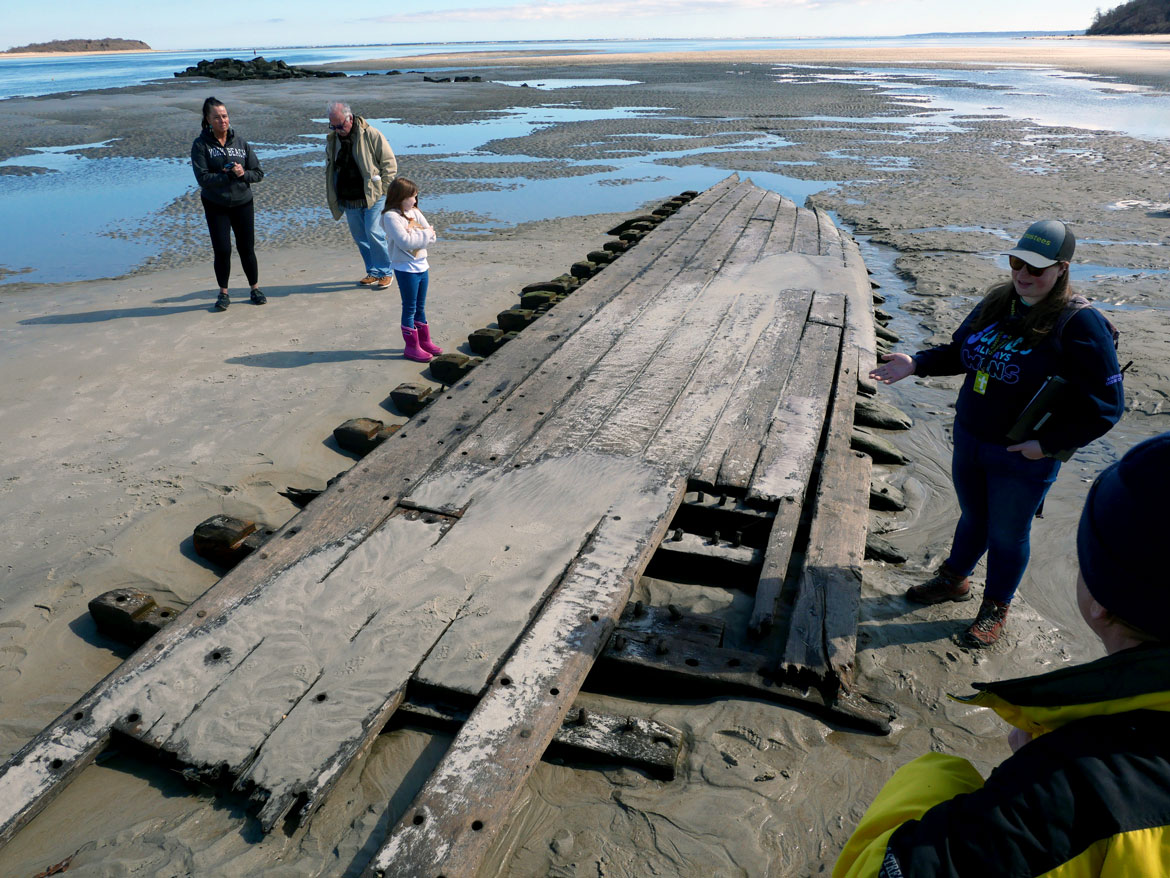
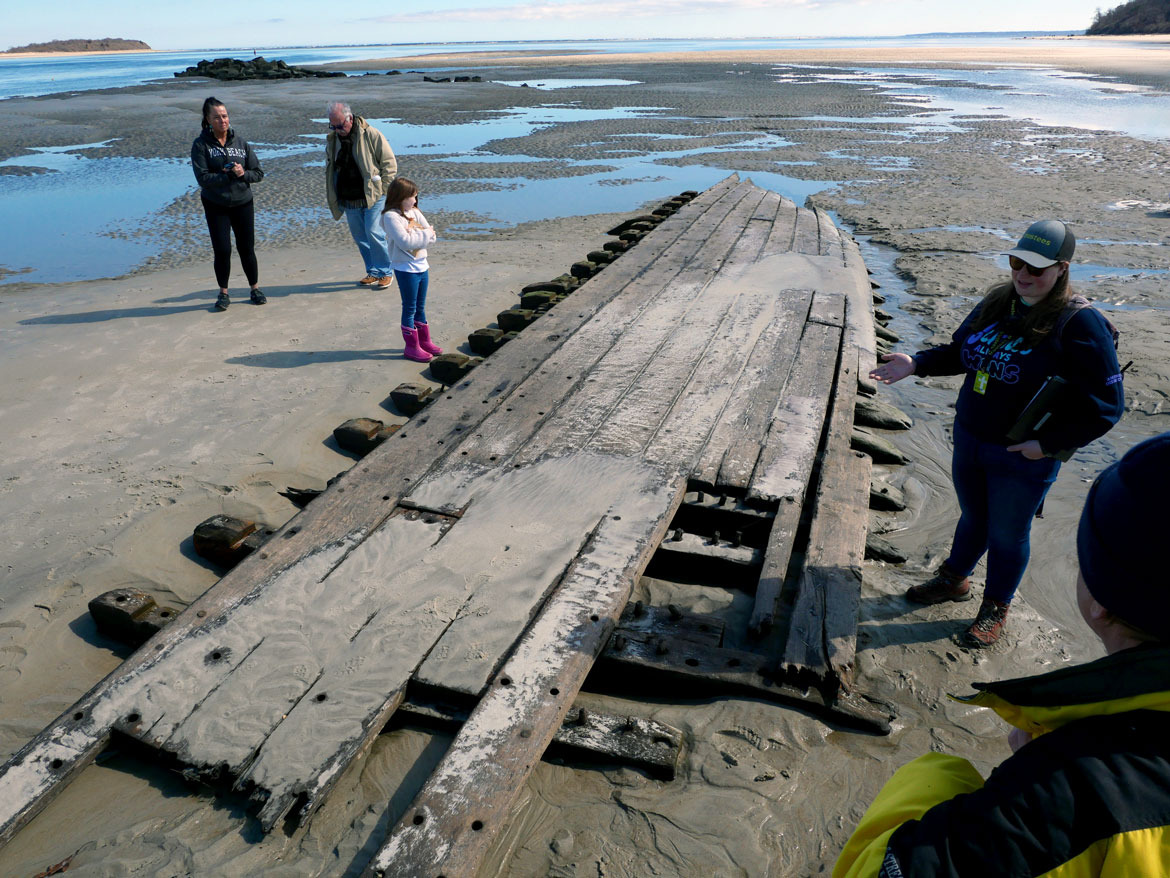
The 57-foot vessel, with its heavy wood-ribbed hull, is an astonishing testament to ancient shipbuilding, having survived hundreds of years of rough seas almost perfectly intact. This is not its first appearance. The shipwreck was initially discovered in 2023, also off the picturesque coast of Hoi An. However, before authorities could fully reclaim and protect it, the shifting sands and powerful tides of the South China Sea conspired to resubmerge the ancient relic, concealing its secrets once more. Its reappearance following Typhoon Kalmaegi last week has created a narrow, urgent window for archaeologists to act, highlighting the transient nature of such discoveries and the critical need for immediate intervention.
Experts have not yet definitively dated the wreck, but preliminary findings, based on initial surveys and the ship’s construction, strongly suggest it was built between the 14th and 16th centuries. This period coincides with a golden age for Hoi An, a city now globally recognized as a UNESCO World Heritage site, which was then a bustling and vital hub at the very heart of a thriving regional trade network. During these centuries, Hoi An served as a crucial port along the maritime Silk Road, facilitating the vibrant exchange of precious goods such as exquisite silks, intricate ceramics, and aromatic spices across Asia and beyond. The discovery of a ship from this era offers direct, tangible evidence of this rich commercial past.
Pham Phu Ngoc, the esteemed director of the Hoi An Center for the Preservation of World Cultural Heritage, underscored the urgency and profound significance of the find. "We are currently preparing to apply for an emergency excavation permit," Ngoc stated on Monday, shortly after the wreck resurfaced. He emphasized that the typhoon’s powerful scouring action had exposed even more of the ship’s structure than was visible during its brief appearance in 2023. "The discovery of this ancient ship is clear evidence of Hoi An’s significant historical role in regional trade," he explained, adding, "This time, more of the ship has been exposed, which could provide us with even more information about its origin, purpose, and the trade routes it plied." This additional exposure is critical, as every newly revealed section could hold clues vital to understanding its complete narrative.
A dedicated team of experts, comprising specialists from the Hoi An preservation center, the University of Social Sciences and Humanities in Ho Chi Minh City, and a local museum, conducted an initial survey of the wreck during its brief emergence last year. Their preliminary investigations revealed fascinating details about its construction. They noted that the vessel was crafted from "durable and high-strength timber," a testament to the advanced shipbuilding techniques of the period. Furthermore, the ship’s design incorporated sophisticated waterproofing materials to seal its joints, a crucial feature for vessels undertaking long and perilous voyages. These findings led the Hoi An center to issue an earlier statement suggesting that "The ship’s structure suggests that it was capable of long-distance voyages, likely used for maritime trade or naval operations." This indicates a vessel built not just for coastal traffic, but for traversing the vast, often treacherous, expanses of the South China Sea and beyond, connecting Hoi An to distant shores.
The profound historical value of the shipwreck is matched by the urgent threat to its continued existence. The Hoi An center has warned that the relic is at severe risk of "serious deterioration without immediate conservation actions." The very forces that brought it to light – severe coastal erosion and the ship’s frequent exposure to harsh weather conditions – are also its greatest enemies. Each cycle of exposure to air, sunlight, and the relentless pounding of waves threatens to degrade the ancient timber, potentially erasing invaluable historical data. The challenge now lies not just in excavating the ship, but in preserving it against the elements that have both hidden and revealed it over centuries.
On Monday, the wreck remained clearly visible, its striking skeletal frame a ghostly silhouette against the sandy beach. Crowds of curious onlookers, a mix of locals and tourists, gathered on the shore, drawn by the unique spectacle of history laid bare. The scene was a powerful reminder of the deep connection between humanity and the sea, and the enduring allure of forgotten tales beneath the waves. The typhoon’s broader impact, however, cast a somber shadow over this archaeological marvel. Typhoon Kalmaegi proved to be a deadly storm, claiming at least 188 lives in the Philippines and five in Vietnam, as reported by BBC News, citing official figures from both nations. The discovery of the shipwreck, while exhilarating, is thus intertwined with the tragic human cost of the storm.
This phenomenon of long-hidden shipwrecks being exposed by extreme weather events is not unique to Vietnam. In recent years, similar discoveries have been made across the globe, often linked to increased storm intensity and coastal erosion, which many scientists attribute to climate change. In May, a Wisconsin angler stumbled upon the wreck of a tugboat, submerged in the cold waters of Lake Michigan for over a century, after powerful winter storms shifted the lakebed and sands, bringing the vessel to light. In 2024, the relentless erosion caused by a series of storms and exceptionally high tides along the Massachusetts coast revealed a large section of the "Ada K. Damon," a 114-year-old schooner shipwreck in Ipswich’s Crane Beach, fascinating local historians. Prior to these, in 2022, severe beach erosion in Florida, brought on by two powerful hurricanes, helped uncover a wooden ship dating from the 1800s that had been buried deep under the sand for generations. These instances underscore a global pattern where the destructive power of nature inadvertently becomes an agent of historical revelation, offering tantalizing glimpses into maritime pasts.
The coming weeks will be critical for the Hoi An shipwreck. Securing the emergency excavation permit is the first vital step, to be followed by a meticulously planned recovery operation. This will undoubtedly be a complex and resource-intensive endeavor, requiring specialized archaeological techniques, advanced conservation methods, and significant funding. Experts will need to carefully document, stabilize, and eventually transport the fragile timbers for long-term preservation and study. The hope is that the vessel will yield a treasure trove of information – not just about its construction and the goods it carried, but also about the lives of its crew, the specific trade routes of the time, and the broader cultural and economic interactions that shaped Southeast Asia centuries ago. Its successful recovery and preservation would not only enrich Vietnam’s understanding of its own history but also contribute significantly to the global narrative of maritime trade and human ingenuity. This ancient ship, resurrected from its watery grave by the very forces that once threatened to erase it, stands as a powerful symbol of resilience, a silent witness to centuries of history, and a potent reminder of the secrets still held by the depths.