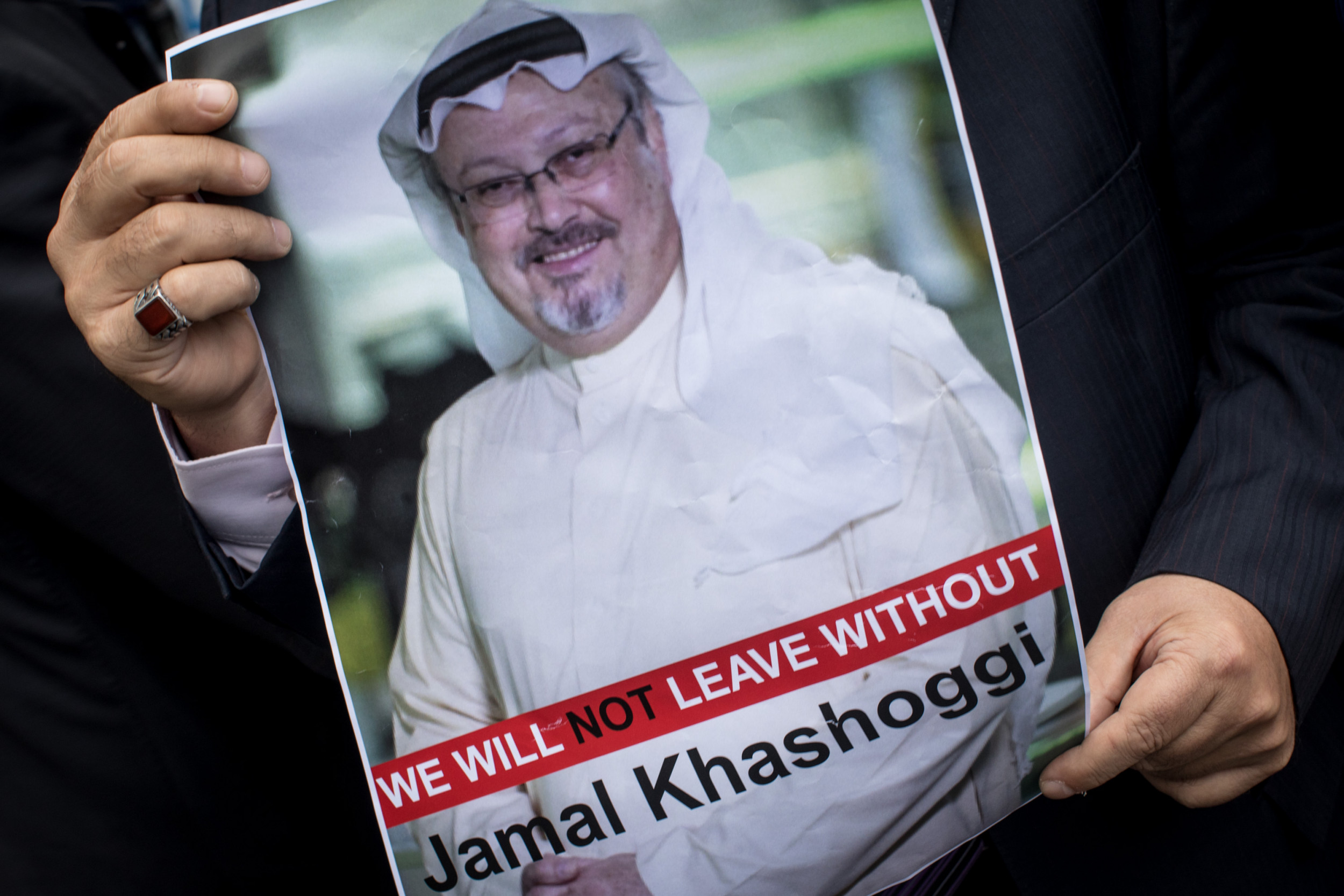
Jamal Khashoggi’s widow describes "7 years of hell" after Saudi journalist’s killing, demands accountability from MBS. Hanan Elatr Khashoggi, the grieving widow of the brutally murdered Saudi journalist Jamal Khashoggi, has voiced profound disappointment and pain following Saudi Crown Prince Mohammed bin Salman’s first visit to the White House since her husband’s 2018 assassination. In an emotional interview with CBS News on November 18, 2025, Elatr Khashoggi recounted "seven years of hell" since the tragic death of her husband, emphatically demanding genuine accountability from the Crown Prince, often referred to as MBS.
Her anguish was palpable as she reacted to the remarks made by former President Trump and bin Salman during their Oval Office meeting earlier that Tuesday. "It destroyed my life. It inverted my life," Elatr Khashoggi told CBS News chief Washington correspondent Major Garrett on "The Takeout." She firmly asserted that her husband, a prominent Washington Post columnist and a critical voice of the Saudi regime, did not deserve to be brutally murdered for expressing his opinions. To date, she has received neither an apology nor witnessed any concrete actions of accountability from the Crown Prince or the Saudi state.
Jamal Khashoggi, a 59-year-old esteemed journalist, was killed on October 2, 2018, after entering the Saudi consulate in Istanbul, Turkey, to obtain documents for his marriage to another woman, Hatice Cengiz. His disappearance initially led to weeks of denials from Saudi officials, who later admitted he died in a "rogue operation." However, a 2021 U.S. intelligence report explicitly concluded that Crown Prince Mohammed bin Salman had approved the operation to capture or kill Khashoggi. Despite this damning intelligence, MBS has consistently denied any personal involvement in the murder.
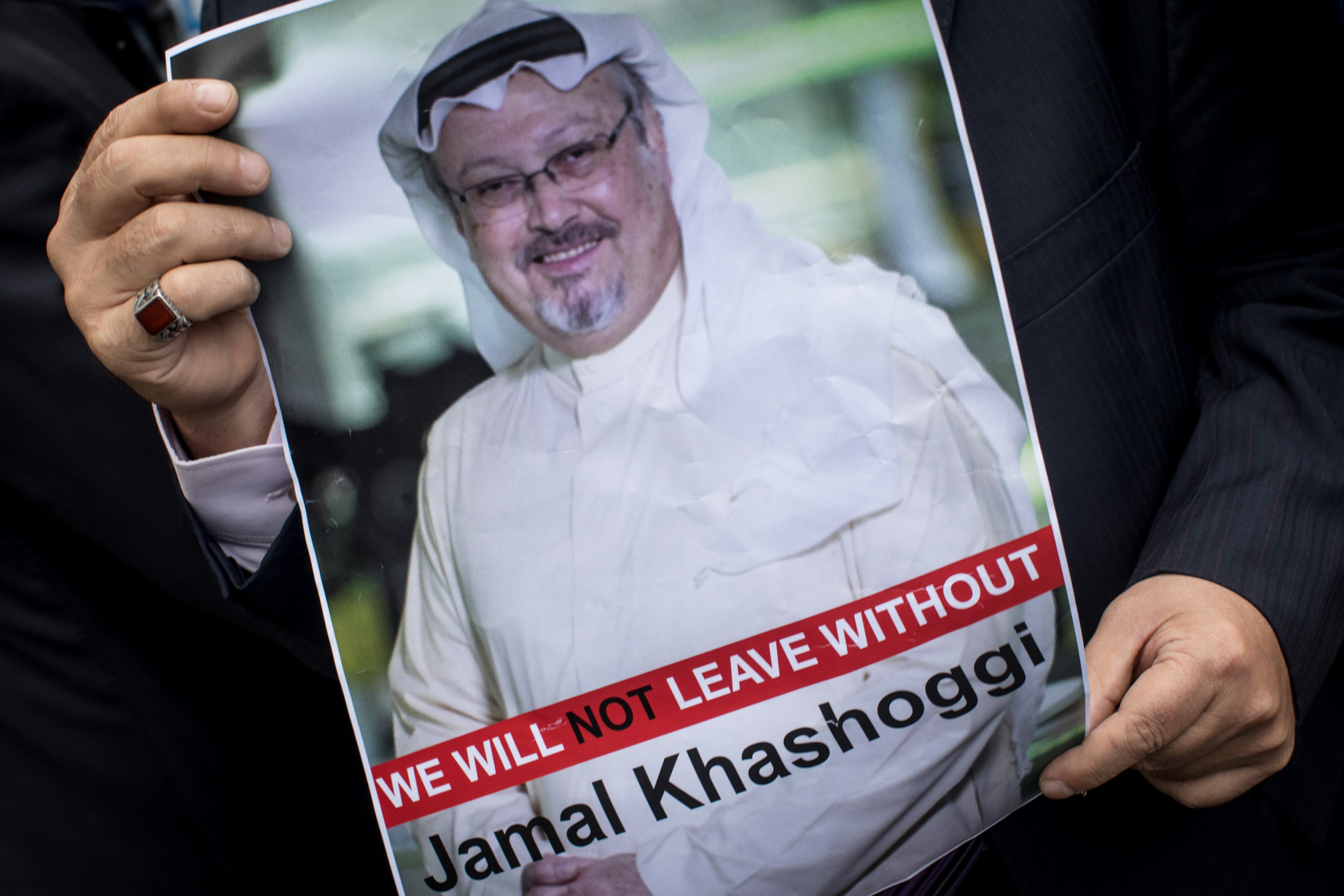
Elatr Khashoggi’s personal ordeal did not end with her husband’s death. She revealed a harrowing period of persecution, stating, "I was sharing his mission and vision. I’m the one supporting him in his exile. I was speaking up, putting in my social media, but it fired back at me." Following Khashoggi’s death, she endured multiple detentions and was placed under house arrest in Dubai, where she had grown up and lived. Fearing for her safety, she made the difficult decision to seek asylum in the United States, arriving in August 2020, and was granted asylum in November 2023, as reported by BBC News, CBS News’ partner network.
A chilling discovery deepened her sense of betrayal and vulnerability: "I discovered they were watching me since 2017, way before they killed Jamal," she alleged. This revelation suggested a long-standing pattern of surveillance by authorities in the United Arab Emirates, in collaboration with Saudi intelligence, highlighting the extensive reach of state-sponsored monitoring against perceived dissidents and their families. This pre-meditated surveillance underscored the calculated nature of the threats faced by Khashoggi and those associated with him.
During the contentious White House meeting, former President Trump openly dismissed the U.S. intelligence findings, stating that bin Salman "knew nothing" about Khashoggi’s murder. When pressed about his continued business dealings with the Crown Prince despite the intelligence report, Trump controversially characterized Khashoggi as "somebody that was extremely controversial." He further added, "A lot of people didn’t like that gentleman that you’re talking about, whether you like him or didn’t like him, things happen, but he knew nothing about it and we can leave it at that." These remarks deeply wounded Elatr Khashoggi.
She expressed profound "disappointment" in Mr. Trump’s portrayal of her husband, which she felt "kind of justifies a crime." Elatr Khashoggi vehemently argued, "To say he’s controversial… it does not give anyone the right to just kidnap him, torture him, kill him and dismantle his body." She viewed Trump’s statements as a dangerous precedent, undermining the fundamental principles of press freedom and journalistic integrity. "It’s taking away, as well, the freedom for the journalists to do their job," she lamented, questioning the distinction between U.S. values and those of "any dictatorship in Middle Eastern country" when such statements are made.
Jamal Khashoggi was not a revolutionary but a reformist. He was a seasoned journalist and a former Saudi insider who, over time, grew increasingly critical of the direction Saudi Arabia was taking under MBS, particularly concerning the suppression of dissent and human rights abuses. His columns for The Washington Post advocated for gradual, internal reforms, greater transparency, and respect for human rights within the Kingdom, rather than its overthrow. He believed in dialogue and intellectual discourse, making Trump’s characterization of him as merely "controversial" a stark misrepresentation of his nuanced positions and patriotic intentions for his homeland.
While Crown Prince Mohammed bin Salman, in a 2019 "60 Minutes" interview, acknowledged that he took "full responsibility as the leader of Saudi Arabia" for Khashoggi’s killing, Elatr Khashoggi views this as mere lip service. "He admitted verbally, he took responsibility verbally, but he did not take any action to show the world there is rectifying of this crime," she asserted. She emphasized the personal toll, stating, "I did not receive an official apology myself as a wife, as they destroyed my life. They’ve taken my lover."
Despite the U.S. intelligence report, Elatr Khashoggi admitted her own limitations in confirming MBS’s direct order. "I’m not sure 100% the order was given by the crown prince himself because I don’t have the tools, I don’t have the intelligence. I don’t have a country to support me to dig in and to make sure," she clarified. However, this does not absolve the leadership of ultimate responsibility for the actions committed under its authority.
During the recent White House meeting, MBS reiterated his previous stance, stating, "It’s painful and it’s a huge mistake, and we are doing our best that will never happen again." Elatr Khashoggi dismissed these words as "empty," echoing her sentiment about his earlier statements. "I don’t think they’re doing their best. … There’s nothing. There’s no real action that’s been taken," she contended, pointing to the lack of transparent investigations, punishment for all involved, or meaningful reforms to prevent future abuses.
Her most poignant call is for a meeting with former President Trump, where she hopes to humanize Jamal and convey his true character. "Jamal Khashoggi was a very kind person and transparent," Elatr Khashoggi described. "You have absolutely different idea from Jamal, but you will be able to walk away with a smile, not upset." She believes that Trump, given his influence, could facilitate a more tolerant climate within Saudi Arabia. "I believe now there is an opportunity for President Trump and the crown prince himself to do something. … It has to be some tolerance there," she urged. "Jamal was not dangerous. Jamal only have his opinion."
The geopolitical landscape often prioritizes strategic alliances, oil stability, and counter-terrorism efforts over human rights concerns, making the pursuit of justice for Khashoggi a complex and often frustrating endeavor. The U.S.-Saudi relationship, particularly during the Trump administration, frequently showcased this transactional approach. Elatr Khashoggi’s persistent demands serve as a crucial reminder that personal tragedies and fundamental principles of human rights should not be sidelined for political expediency. Her voice, echoing from "seven years of hell," stands as a powerful testament to the enduring quest for truth, accountability, and the universal right to freedom of expression, a right for which Jamal Khashoggi ultimately paid the ultimate price. Caroline Linton contributed to this report.