Divers find over 450 pounds of cocaine hidden underneath ship bound for Europe, Colombia’s navy says, marking another significant victory in the relentless global war against narcotics trafficking and highlighting the enduring challenges faced by nations like Colombia. The Colombian Navy announced Tuesday that its elite divers, conducting a routine yet critical underwater inspection at a Pacific coast port, successfully intercepted a substantial consignment of suspected cocaine concealed beneath a merchant vessel destined for Europe. This intricate operation, executed with precision by the Buenaventura Coast Guard Station, underscores the sophisticated methods employed by drug cartels and the unwavering commitment of Colombian authorities to combat them.
The discovery involved seven meticulously sealed "suspicious bags" affixed to the hull of the Europe-bound ship, a testament to the ingenuity and daring of the criminal organizations attempting to smuggle illicit substances across continents. Military officials, in a series of posts on social media, shared compelling images and videos of the seizure. These visuals depicted divers navigating the murky waters to retrieve the illicit cargo, followed by photographs showing dozens of tightly packed rectangular packages of cocaine neatly laid out on the ground post-extraction. The sheer volume, estimated at over 450 pounds (approximately 204 kilograms), represents a considerable blow to the financial networks of these cartels, with an estimated street value that could run into tens of millions of dollars once it reached European markets. The port of Buenaventura, a vital hub on Colombia’s Pacific coast, has long been identified as a critical departure point for drug shipments heading towards Central America, Mexico, and ultimately, North America and Europe, making such vigilant inspections absolutely essential.
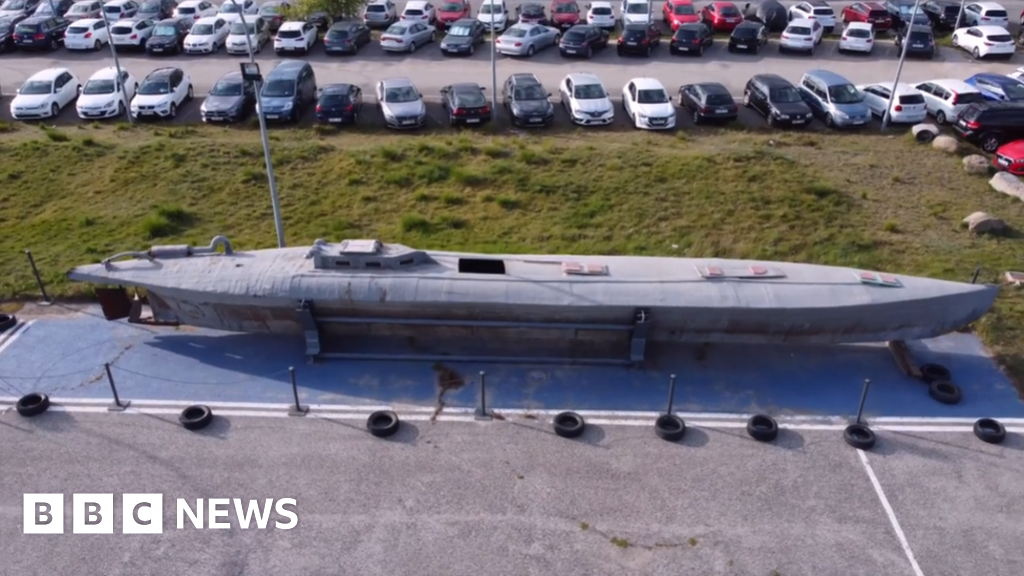
This particular seizure, while substantial on its own, comes merely days after the Colombian Navy reported another monumental success in its anti-narcotics efforts. In an operation that captured international attention, naval forces confiscated more than seven tons of illicit drugs from two high-speed boats and a semi-submersible vessel, commonly known as a "narco-sub," also operating in the vast expanse of the Pacific Ocean. The recovery of such a large quantity of drugs, particularly from a narco-sub, illustrates the advanced logistical capabilities of drug traffickers who invest heavily in clandestine vessels designed to evade detection. Narco-submarines, often constructed in remote jungle workshops, are notoriously difficult to track due to their low profile, composite materials, and stealth capabilities, making their interdiction a significant achievement for any maritime force. Officials released striking images and video footage of this earlier operation, showing numerous packages of drugs aboard an intercepted boat, alongside alleged suspects surrendering and being pulled from the water, often in harrowing conditions. These back-to-back victories paint a vivid picture of the relentless and multi-faceted battle being waged by Colombia’s armed forces against an incredibly well-resourced adversary.
The escalating scale of these drug interdictions, however, unfolds against a backdrop of heightened political tension between Colombia and the United States, particularly concerning the administration of former President Donald Trump. Last month, the Trump administration announced a controversial decision to impose sanctions on Colombian President Gustavo Petro and members of his immediate family. The rationale behind these sanctions, according to Washington, was Petro’s alleged failure to adequately curb the activities of drug cartels, effectively accusing the leader of having "allowed drug cartels to flourish" under his watch. This move intensified months of already strained relations between President Trump and President Petro, marked by significant disagreements over U.S. migrant deportation policies and the controversial U.S. strikes on suspected drug boats operating off the coast of South America.
The sanctions against a sitting head of state, particularly one from a traditionally allied nation, sent shockwaves through diplomatic circles. They typically involve freezing assets and restricting travel, aimed at pressuring foreign leaders to align with U.S. policy objectives. For Petro, who has championed a more nuanced approach to drug policy focusing on social investment and rural development rather than solely eradication, these sanctions were perceived as a direct affront to his sovereign authority and policy direction. The friction over migrant deportations stems from differing views on how to handle the influx of migrants, many of whom pass through Colombia on their way to the U.S. border, with the Trump administration advocating for stricter enforcement and faster deportations, a stance not always aligned with Colombia’s humanitarian considerations or capacity.
The most contentious point of contention, however, has been the U.S. strategy of conducting direct strikes on alleged drug boats in international waters. In an exclusive conversation with CBS News in October, President Petro vehemently articulated his concerns, claiming that some of those killed in these U.S. strikes on suspected drug vessels were, in fact, innocent civilians. He further reiterated his accusation that these attacks constitute a violation of international law, arguing that such unilateral actions infringe upon Colombia’s sovereignty and the established norms of maritime interdiction. Petro’s core argument against this approach is philosophical as much as it is legal: "Killing the business’ workers is easy," he asserted, suggesting that such tactics, while superficially effective in terms of immediate seizures, fail to address the root causes of drug trafficking. He maintained that true effectiveness in combating the drug trade lies in a strategic shift: "But if you want to be effective, you have to capture the bosses of the business," advocating for intelligence-led operations targeting the kingpins and financial architects of the cartels rather than low-level operatives.
The White House, under the Trump administration, has steadfastly denied that innocent civilians were killed in these boat strikes, maintaining that all operations are conducted with due diligence and in accordance with international protocols. However, these denials have done little to bridge the diplomatic chasm that has opened between the two nations. The U.S. Drug Enforcement Administration (DEA) consistently reports that an overwhelming majority, approximately 90%, of the cocaine that ultimately reaches the United States originates from Colombia. This statistic forms the cornerstone of Mr. Trump’s criticism of President Petro, whom he blames for allegedly failing to rein in the powerful and pervasive drug cartels that operate with impunity within Colombian borders.
President Petro, in turn, has responded to these accusations with a blend of defiance and exasperation. "They have insulted me," he candidly told CBS News, reflecting the personal sting of the U.S. allegations and sanctions. Yet, he added, "And a lot, but all I can do is be frank." This "frankness" encapsulates his steadfast belief that punitive measures and a focus on interdiction alone will not resolve a problem as deeply entrenched and multi-faceted as Colombia’s drug trade. Instead, Petro advocates for a comprehensive strategy that includes alternative crop development for coca farmers, investment in rural communities, and a global re-evaluation of drug policy that moves beyond purely prohibitionist models. He argues that the historical approach, heavily influenced by U.S.-led "War on Drugs" policies, has largely failed to stem the flow of cocaine and has instead exacerbated violence and instability in producing nations.
The ongoing struggle against drug trafficking is not merely a domestic issue for Colombia but a complex global challenge with far-reaching consequences. The illicit drug trade fuels corruption, destabilizes governance, and contributes to widespread violence, not only in producing countries but also along transit routes and in consumer markets across Europe and North America. The economic impact on Colombia is immense, as the vast profits generated by cocaine trafficking distort legal economies and empower criminal organizations. While seizures like the 450 pounds found beneath the ship are crucial victories, they represent only a fraction of the total volume of drugs in circulation. International cooperation, involving intelligence sharing, joint operations, and coordinated policy initiatives, remains paramount. However, the current political friction between Colombia and a major partner like the U.S. complicates these efforts, threatening to undermine the collective fight against a common enemy that adapts and evolves with alarming speed.
The challenges for any Colombian president in tackling this issue are monumental. They involve navigating powerful internal political forces, confronting heavily armed and well-funded cartels, and managing complex international relationships. Petro’s willingness to openly challenge established U.S. drug policy has certainly redefined the diplomatic landscape between Bogotá and Washington. The incident of the hidden cocaine, alongside the larger seven-ton seizure, serves as a stark reminder of the unending nature of this battle and the constant innovation required from law enforcement to stay one step ahead of the traffickers. As long as there is demand in Europe and elsewhere, and as long as socio-economic conditions in Colombia make coca cultivation an attractive livelihood for many, the fight will continue, with divers like those in Buenaventura remaining on the front lines, literally plunging into the depths to intercept the hidden perils of the global drug trade.