Zelenskyy receives draft plan from U.S. aimed at ending war
Ukrainian President Volodymyr Zelenskyy has officially received a draft plan from the United States, described by the American side as a potential catalyst for diplomatic efforts to conclude the protracted conflict in Ukraine. The announcement, confirmed by Zelenskyy’s office on Thursday, signifies a critical, albeit nascent, step towards a resolution for a war that has raged for nearly four years since Russia’s full-scale invasion. The statement from Kyiv indicated that there was an agreement to "work on the points of the plan in such a way as to bring the war to a dignified end," underscoring Ukraine’s commitment to a resolution that upholds its sovereignty and avoids rewarding aggression.
This development comes amidst a complex geopolitical landscape, with a senior White House official confirming to CBS News that President Trump, currently at the helm of the U.S. administration in November 2025, has endorsed a 28-point plan. This comprehensive proposal, crafted by Trump’s envoy Steve Witkoff in collaboration with Kirill Dmitriev, an adviser to Russian President Vladimir Putin, represents a significant diplomatic push from Washington. The plan’s reported tenets, widely circulated by major news outlets including Axios, the Financial Times, and the New York Times, suggest a framework that would require Ukraine to make substantial concessions: abandoning certain territories, relinquishing some weapons, and reducing the size of its armed forces. While President Zelenskyy acknowledged the imperative to end the war, he firmly reiterated Ukraine’s principled stance that "there can be no reward for waging war," signaling potential friction over the proposed territorial sacrifices.
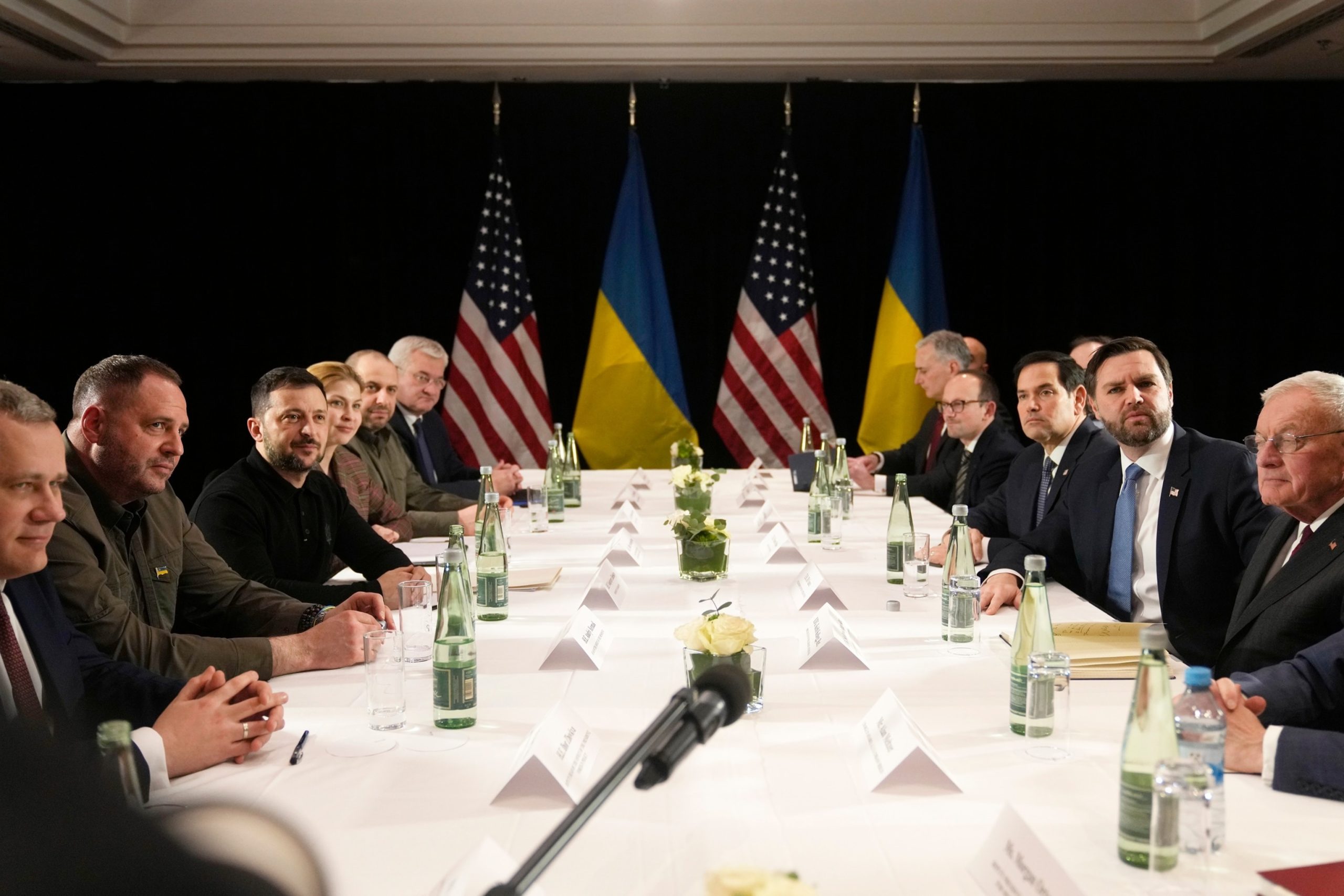
The genesis of this ambitious peace initiative can be traced back to a series of discreet, high-level engagements. Trump’s endorsement of the plan was initially brought to light by NBC, adding considerable weight to the proposal. Prior to this, Ukraine had aligned with the U.S. on a foundational principle for negotiations: a freezing of the current battle lines. This, however, was contingent upon receiving robust security guarantees from Washington and its Western allies, a crucial element for Kyiv’s long-term stability and defense.
The architects of the 28-point plan, Steve Witkoff and Kirill Dmitriev, held a pivotal face-to-face meeting last month in Miami, where they reportedly hammered out the details of the proposal. Dmitriev, an adviser to President Putin, is currently under U.S. sanctions, a testament to the extraordinary nature of these back-channel discussions. For Dmitriev to travel to Florida and engage with Witkoff, a special waiver of these sanctions was necessary, underscoring the perceived urgency and potential significance of their talks. This meeting, coming just days after the Trump administration imposed further sanctions on Russian oil and gas in October, highlights a dual-track approach by the U.S.: applying economic pressure while simultaneously exploring diplomatic avenues. Kirill Dmitriev himself elaborated on their collaborative effort in an interview with Axios, confirming the joint authorship of the 28-point plan.
The extent of the consultations with Ukraine regarding this draft plan has been a point of inquiry. The White House official speaking with CBS News affirmed that Witkoff had been developing the proposal for approximately a month, actively seeking feedback from both Russian and Ukrainian representatives. White House press secretary Karoline Leavitt further clarified on Thursday that Witkoff and Secretary of State Marco Rubio had indeed "met with some of the Ukrainians just in the past week to discuss this very plan." Moreover, senior Ukrainian official Rustem Umerov was reportedly verbally briefed on the plan by Witkoff during his visit to Miami this week, according to a source familiar with the conversation.
However, the initiative appears to have unfolded largely without the direct involvement of key European allies. When questioned on Thursday about European participation, top European Union official Kaja Kallas stated, "Not that I know of." She further emphasized a critical prerequisite for any successful peace plan: "for any plan to work, it needs Ukrainians and Europeans on board." This sentiment highlights a potential challenge for the U.S.-led effort, as a durable peace would necessitate broad international consensus and support, particularly from those nations most directly impacted by the conflict and those providing significant aid to Ukraine.
The diplomatic overtures from Witkoff and Dmitriev had been ongoing for weeks, with the two exploring various ideas for an end to the conflict. This track of engagement proceeded even as other senior U.S. officials expressed skepticism regarding Russia’s genuine commitment to peace. Secretary of State Marco Rubio and Treasury chief Scott Bessent, for instance, had voiced concerns that Moscow was not serious about ending the war. Nevertheless, Secretary Rubio underscored the complexity of the peace process in a statement on X (formerly Twitter) on Wednesday, noting that "Ending a complex and deadly war such as the one in Ukraine requires an extensive exchange of serious and realistic ideas." He added, "And achieving a durable peace will require both sides to agree to difficult but necessary concessions. That is why we are and will continue to develop a list of potential ideas for ending this war based on input from both sides of this conflict." White House deputy chief of staff Stephen Miller, while declining to make any specific announcements about a peace plan on Wednesday, affirmed that it was an issue "the president has continued to put at the forefront of our foreign policy goal."
These diplomatic maneuvers are taking place against a backdrop of ongoing hostilities and economic pressures. The recent U.S. sanctions appear to be exerting a significant toll on Russia’s economy. A Treasury Department analysis on Thursday indicated that the oil sanctions had led to a sharp decline in prices, effectively choking off a crucial revenue stream that Russia has used to finance its war efforts in Ukraine. The U.S. gas sanctions against Russia are slated to go into effect on Friday, further intensifying economic pressure.
Despite these diplomatic efforts and economic sanctions, the grim reality on the ground persists. Amidst the flurry of U.S. diplomatic activities, which included a visit to Kyiv this week by a delegation led by U.S. Army Secretary Dan Driscoll, Russian missiles have continued their relentless assault on Ukraine. Rescuers were still sifting through rubble on Thursday in the western city of Ternopil, searching for victims of a devastating Russian strike on an apartment building. The attack killed at least 26 people, including three children, according to Ukrainian authorities. Shrieking Russian missiles had slammed into the building on Wednesday, incinerating at least 19 individuals in their apartments. This brutal strike occurred just as Army Secretary Dan Driscoll arrived in the Ukrainian capital, merely a day after the U.S. had greenlit a $100 million package aimed at upgrading Ukraine’s critical Patriot missile-interceptor systems, highlighting the enduring need for defensive capabilities even as peace talks are explored. The juxtaposition of diplomatic overtures with the stark realities of war underscores the immense challenges that lie ahead in forging a lasting and equitable peace.
Kathryn Watson and Richard Escobedo contributed to this report.