Here’s what’s in the Trump administration’s proposed 28-point Russia-Ukraine peace plan.
A comprehensive and highly controversial 28-point peace plan, formulated by officials within the Trump administration, has been put forward with the ambitious aim of bringing an end to the protracted Russia-Ukraine conflict. This extensive framework, which has been shared publicly by a Ukrainian opposition politician and subsequently confirmed by a White House official, outlines significant concessions from Ukraine, notably requiring it to cede its eastern Donbas region and Crimea, alongside a commitment to renounce any future NATO membership.
Described by a White House official as the most recent working document, this 28-point proposal is the culmination of feedback gathered from both Russian and Ukrainian officials. Despite its detailed nature, the critical question of whether both warring parties will ultimately agree to its terms remains unanswered. Diplomatic discussions are reportedly still in progress, with multiple sources indicating that further modifications and negotiations are underway.
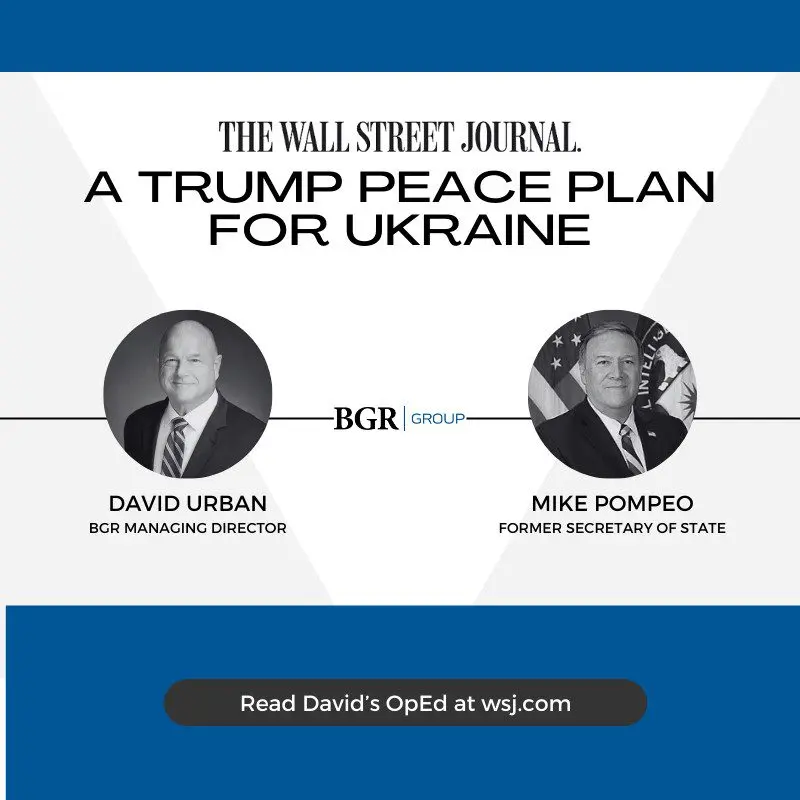
The plan’s development has proceeded largely outside the immediate purview of key European allies. While some European governments were aware of the United States’ efforts to craft a peace proposal, they were not actively involved in its drafting. As of Thursday, European officials contacted by CBS News confirmed they had not yet been formally briefed on its specific contents, raising questions about international coordination and buy-in.
The genesis of this detailed plan emerged from a series of recent, high-level meetings between U.S. representatives and officials from both Russia and Ukraine. A pivotal encounter occurred on October 24 in Miami, where President Trump’s envoy, Steve Witkoff, met with Kirill Dmitriev, a key advisor to Russian President Vladimir Putin, specifically to develop the contours of this peace framework, as first reported by CBS News. Subsequently, the plan was also presented to Rustem Umerov, a senior member of Ukrainian President Volodymyr Zelenskyy’s administration. While Umerov confirmed his participation in technical-level discussions via X, he explicitly clarified that he had provided "no assessments or, even more so, approvals of any points," underscoring that such authority did not lie with him and did not align with official procedure.
Further illustrating the delicate diplomatic dance, President Zelenskyy met with U.S. Army Secretary Dan Driscoll in Kyiv. Zelenskyy later characterized the discussions on X as being presented with "points of a plan to end the war – [America’s] vision." He emphasized that he had outlined Ukraine’s fundamental principles during the meeting, and both sides agreed to continue collaborative work on the plan’s various provisions. A White House official described Driscoll’s two hours of meetings with Ukrainian officials, including 45 minutes of direct talks with Zelenskyy, as "productive," suggesting a degree of engagement despite the evident differences in perspective.
White House press secretary Karoline Leavitt, in a statement to CBS News, articulated the administration’s philosophy behind the proposal: "This plan was crafted to reflect the realities of the situation, after 5 years of a devastating war, to find the best win-win scenario, where both parties gain more than they must give." This statement frames the proposal as a pragmatic approach to a complex and long-standing conflict, seeking a balanced outcome for all involved.
Here’s a detailed breakdown of the proposed 28-point plan:
Immediate Ceasefire
A cornerstone of the proposal, the plan stipulates that a complete ceasefire would take effect immediately upon the agreement of both Russia and Ukraine to the terms of the deal. This immediate cessation of hostilities is intended to halt further loss of life and destruction.
Ukraine Expected to Cede Eastern Regions
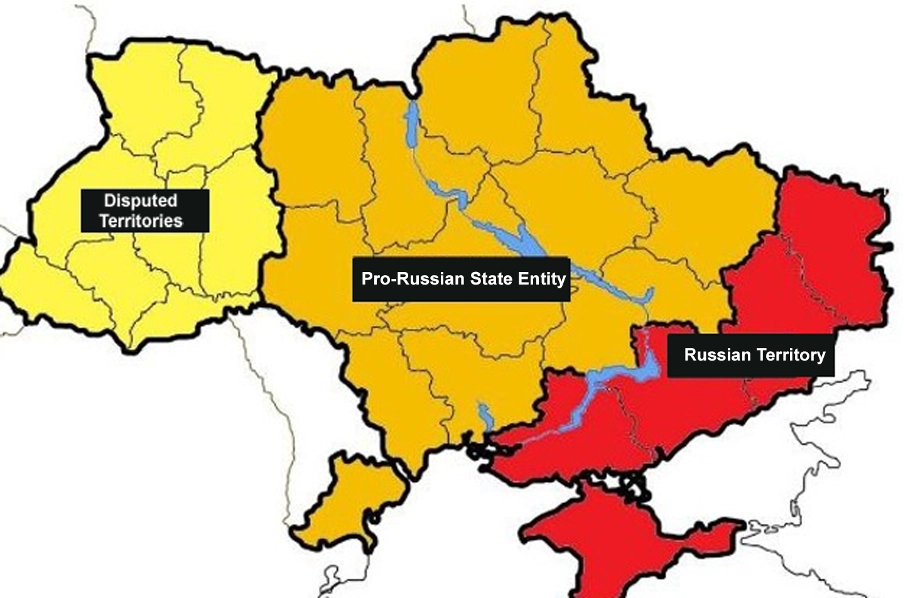
Perhaps the most contentious aspect for Ukraine, the plan dictates that Russia would retain control over much of the Ukrainian territory it currently occupies, and even acquire some areas presently under Ukrainian control. Specifically, the plan calls for the Ukrainian oblasts of Crimea, Donetsk, and Luhansk to be formally recognized by the U.S. and other international actors as de facto Russian territory. Crimea was annexed by Russia in 2014, while the Russian military has occupied the majority of Donetsk and Luhansk—collectively known as the Donbas—since its full-scale invasion in February 2022, building upon occupations by Russian-aligned forces dating back to 2014. Crucially, even parts of Donetsk that have remained under Ukrainian control would be ceded to Russia, though these areas would be designated as a neutral buffer zone, explicitly without a Russian military presence. Furthermore, the conflict in two other Ukrainian oblasts, Kherson and Zaporizhia, would be frozen at the existing front lines. This effectively allows Russia to maintain control over strategically vital cities like Mariupol and ensures its crucial land connection to Crimea. These territorial terms present a significant hurdle for Ukraine, as President Zelenskyy has consistently refused to relinquish any new territory or acknowledge Russian sovereignty over Crimea, instead advocating for a pause in the war along existing conflict lines.
Ukraine Military Size Cap
The proposal also includes a provision that would cap the size of Ukraine’s military at 600,000 personnel. This represents a substantial reduction from its current strength, which Zelenskyy stated in January was 880,000, according to the Kyiv Independent. This is also a significant increase from its pre-2022 invasion size of approximately 250,000 troops, as reported by the Atlantic Council. Such a limitation would have profound implications for Ukraine’s long-term defense capabilities and national sovereignty.
No NATO Membership, But EU Access
Under the terms of the plan, Ukraine would be explicitly barred from joining NATO. This would necessitate a modification to Ukraine’s constitution, which currently enshrines its aspirations for NATO membership. For years, Ukraine has pursued NATO membership, understanding that such status would invoke Article 5, requiring the collective defense of the United States and other member states in the event of an attack. Correspondingly, NATO would be expected to formally agree not to admit Ukraine into the alliance, a reversal of its 2008 Bucharest Summit Declaration that stated Ukraine would become a NATO member at some future point. The plan further proposes that NATO agree not to deploy troops to Ukraine, potentially preempting any postwar security arrangements that might involve allied military presence on Ukrainian soil. In a concession favorable to Russia, another point in the plan stipulates that Russia will refrain from invading neighboring countries, and NATO will cease any further expansion. Russia has historically expressed strong opposition to NATO’s post-Cold War eastward expansion, with the recent additions of Sweden (2024) and Finland (2023) further exacerbating these tensions. NATO’s official stance, however, emphasizes its "open door policy," asserting that decisions on admitting new members are solely made by its existing members, not by external states. Conversely, the plan does affirm Ukraine’s right to join the European Union and grants it immediate access to the European market, addressing a key Ukrainian aspiration. Russia has historically been wary of Ukraine’s deepening economic and political integration with Europe.
A U.S. Security Guarantee
The plan includes a security guarantee designed to deter any future Russian aggression against Ukraine. It outlines a "decisive coordinated military response" and the reinstatement of sanctions on Russia should it reinvade Ukraine. Furthermore, any benefits Russia received from the agreement, including recognition of new territorial gains, would be rescinded. The specific nature of the military response, however, is not detailed. This guarantee would be nullified if Ukraine were to invade Russia or launch missile attacks against Moscow or St. Petersburg.
Ukrainian Elections
The proposal mandates that Ukraine conduct elections within 100 days. Ukraine had scheduled elections for early 2024, but these were postponed due to the ongoing war. President Zelenskyy won the presidency in 2019.
Economic Recovery and Sanctions Relief
A significant component of the plan focuses on an economic recovery strategy for Ukraine, whose economy has been ravaged by years of Russian invasion and extensive aerial bombardment. This includes provisions for the reconstruction of Ukrainian cities, the establishment of a development fund to bolster Ukraine’s technology industry, and investments in its mining and gas sectors. A substantial $100 billion in frozen Russian assets would be allocated for investment in Ukraine, with the United States leading this effort. Europe is expected to contribute an additional $100 billion. Concurrently, the plan calls for negotiations to progressively lift the extensive sanctions imposed on Russia since the invasion, which have significantly isolated its economy from global markets. These sanctions would be phased out in stages. Any Russian assets frozen beyond the initial $100 billion designated for Ukraine would be channeled into a joint U.S.-Russia investment fund. The overall implementation and enforcement of this complex plan would be overseen by a newly established Peace Council, to be chaired by President Trump.
Other Key Provisions
The 28-point plan also encompasses a range of other critical elements. These include the initiation of a Russia-NATO security dialogue, the formation of a joint U.S.-Russia security working group, and the establishment of a non-aggression pact involving Russia, Ukraine, and Europe. It would also extend existing U.S.-Russia arms control treaties, solidify Ukraine’s status as a non-nuclear state, and prohibit Russia from obstructing Ukraine’s commercial use of the vital Dnipro river. A humanitarian aspect mandates the return of all civilian detainees taken during the war, including children, and both sides of the conflict would be granted amnesty for their conduct during the war. Furthermore, both countries would be expected to adopt educational programs aimed at discouraging racial prejudice. Symbolically, the plan advocates for Russia’s return to the Group of Eight (G8), from which it was suspended following its 2014 annexation of Crimea.
Karoline Leavitt reiterated the administration’s broader objectives in her concluding statement: "As the Trump Administration has clearly said, any deal must provide full security guarantees and deterrence for Ukraine, Europe, and Russia to ensure the end of the war, in addition to financial opportunities for Ukraine to rebuild, and for Russia to rejoin the global economy, to benefit the people in both countries." This statement underscores the administration’s intent to create a comprehensive, albeit controversial, framework for a lasting peace and economic revitalization across the region.
Emma Nicholson, Emmet Lyons, and Anhelina Shamlii contributed to this report.