Nobel laureate Maria Corina Machado will be a "fugitive" if she leaves Venezuela to accept peace prize, AG says
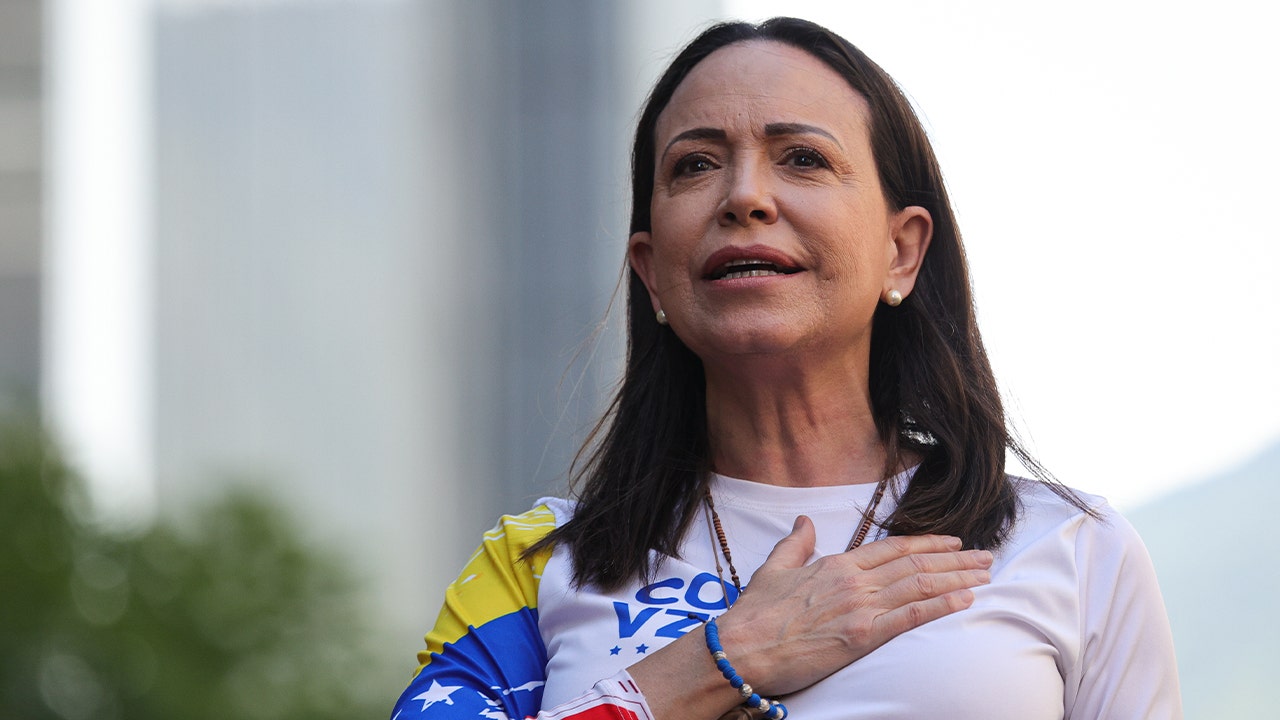
In a dramatic turn of events underscoring the profound political tensions gripping Venezuela, Nobel Peace Prize laureate and prominent opposition leader Maria Corina Machado has been declared a "fugitive" by the country’s attorney general if she dares to leave her homeland to accept her prestigious award in Oslo. This declaration, made by Attorney General Tarek William Saab to Agence France-Presse, casts a long shadow over Machado’s historic recognition and highlights the perilous environment for dissent within the South American nation.
Machado, a beacon of hope for many Venezuelans yearning for democratic change, was awarded the 2025 Nobel Peace Prize last month for her "tireless work promoting democratic rights for the people of Venezuela and for her struggle to achieve a just and peaceful transition from dictatorship to democracy." The Nobel Committee lauded her as a "key, unifying figure in a political opposition that was once deeply divided" and a "brave and committed champion of peace." This marked Venezuela’s first-ever Nobel Prize, an honor that should, in ordinary circumstances, be a moment of national pride. Instead, it has ignited a fresh confrontation between the opposition and the ruling socialist government.
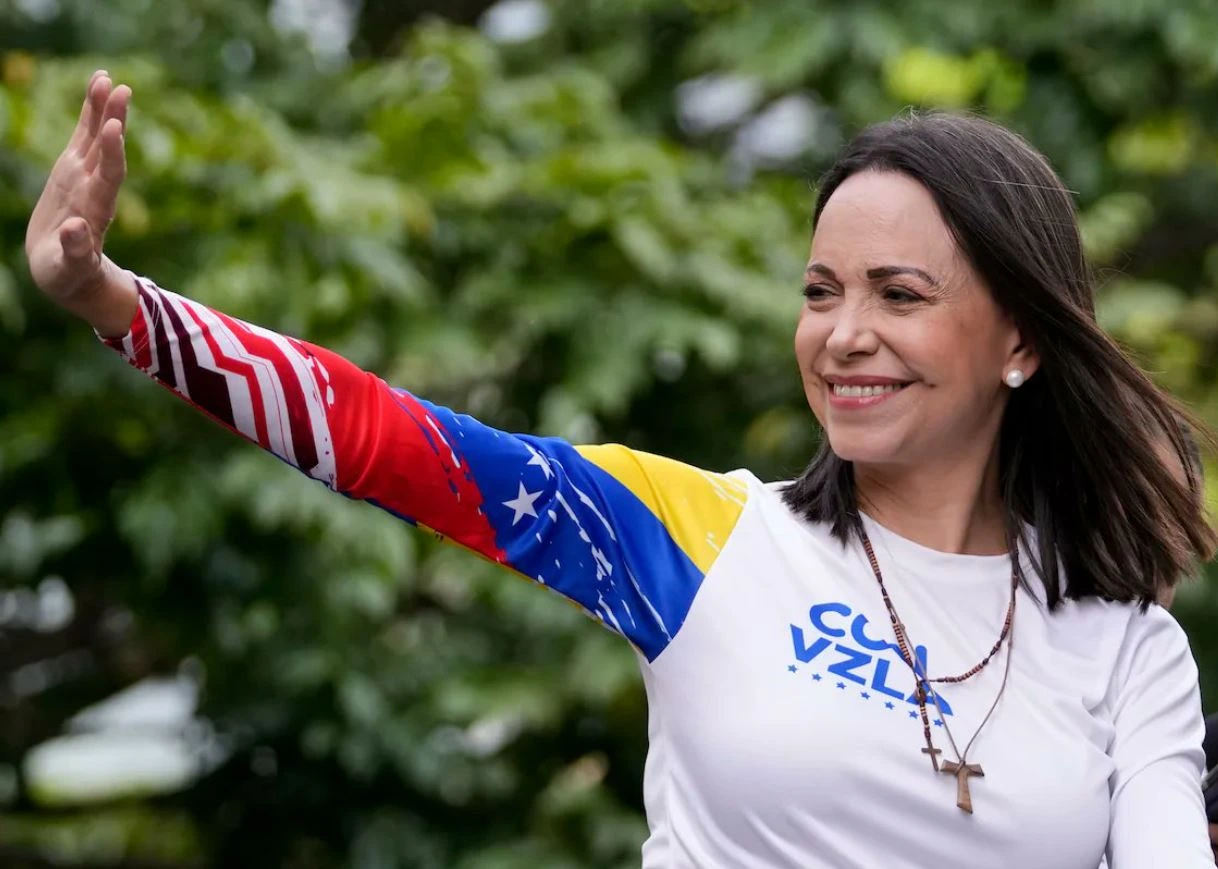
The attorney general’s stern warning comes as Machado has openly expressed her desire to attend the Nobel Peace Prize ceremony, scheduled to take place in Oslo on December 10. Saab’s statement makes it unequivocally clear that should she emerge from her current hiding within Venezuela and attempt to travel abroad, she would be immediately classified as a "fugitive." "By being outside Venezuela and having numerous criminal investigations, she is considered a fugitive," Saab stated, outlining a series of grave accusations against her. These include "acts of conspiracy, incitement of hatred, terrorism," and an ongoing investigation into her alleged support for the United States’ deployment of military forces in the Caribbean.
These accusations are not new in the context of Venezuela’s highly polarized political landscape, where the government frequently employs legal mechanisms to target and neutralize opposition figures. Critics argue that such charges are often politically motivated, designed to stifle dissent and consolidate power. Machado, known as Venezuela’s "Iron Lady," has spent over two decades at the forefront of a formidable political movement challenging the nation’s authoritarian leaders. Her unwavering commitment to democratic principles and her ability to rally significant public support have made her a formidable adversary to the ruling regime, but also a constant target for its repressive tactics.
Since the country’s highly contentious 2024 election, Machado has been forced into hiding within Venezuela. The election, which saw President Nicolas Maduro claim victory, was widely dismissed as non-democratic by numerous international observers and nations, including the United States. The U.S. and many other countries instead recognized Senator Edmundo Gonzalez, an opposition politician robustly backed by Machado, as the legitimate winner. Gonzalez, too, has since been compelled to leave Venezuela, a testament to the acute pressures and dangers faced by those who dare to challenge the government’s narrative.
The political climate in Venezuela has been fraught with tension for years, characterized by a deepening economic crisis, mass emigration, and widespread accusations of human rights abuses. The Maduro administration, inheriting power from Hugo Chávez, has been accused of dismantling democratic institutions, controlling the judiciary, and suppressing independent media. The charges leveled against Machado – conspiracy, incitement, terrorism – are often the legal instruments wielded by autocratic regimes to criminalize legitimate political opposition and paint dissenting voices as threats to national security. Her alleged support for the United States’ military presence in the Caribbean further complicates her position, as the Maduro government frequently portrays U.S. actions as imperialistic interference.
Tensions between the Trump administration and Maduro’s government have indeed escalated significantly. The U.S. has accused Maduro of complicity with drug smuggling gangs, leading to heightened enforcement actions, including strikes on alleged drug boats by the Coast Guard and DEA. Furthermore, the deployment of U.S. military assets into the Caribbean has been a point of considerable contention. Machado, consistent with her long-standing call for international pressure to restore democracy, has publicly supported these efforts, describing increased military pressure as a "necessary measure" toward the "restoration of popular sovereignty in Venezuela." This stance, while aligning with her democratic objectives, provides further ammunition for the government to frame her as a collaborator with foreign powers, thereby justifying its legal actions.
For Machado, the Nobel Peace Prize represents not just personal recognition but a powerful symbol for the broader Venezuelan struggle. In an exclusive interview with CBS News last month, she expressed her belief that winning the Nobel would offer her "a lot of protection" from the Maduro regime. She articulated her hope that the global spotlight brought by the award would deter further direct repression against her. Beyond personal safety, Machado emphasized the deeper significance: "But the most important thing, is that it highlights, worldwide, the importance of the struggle of Venezuela," she told CBS News. This underscores the moral and political weight she places on the prize as a tool to galvanize international attention and support for the democratic movement.
However, the attorney general’s declaration threatens to negate this protective shield and transform her moment of international triumph into a legal quagmire. The choice before Machado is stark: remain in Venezuela, continuing her activism from hiding and foregoing the opportunity to personally accept one of the world’s most prestigious honors, or leave the country, risking immediate arrest should she ever attempt to return, and cementing her status as a "fugitive" in the eyes of her government. This dilemma encapsulates the broader challenges faced by human rights defenders and opposition leaders in authoritarian states worldwide, where personal liberty and political participation are constantly at odds with state power.
The international community now faces a critical test. The Venezuelan government’s move to threaten a Nobel Peace laureate with fugitive status for seeking to accept her award is likely to draw widespread condemnation from human rights organizations, democratic governments, and the Nobel Committee itself. Such a declaration not only undermines the spirit of the Nobel Peace Prize but also further isolates Venezuela on the international stage, intensifying calls for accountability and respect for fundamental freedoms.
Maria Corina Machado’s situation is more than a personal predicament; it is a microcosm of Venezuela’s ongoing struggle for democracy. Her courage in the face of governmental repression, now amplified by global recognition, shines a spotlight on the urgent need for a peaceful and democratic resolution to the country’s protracted crisis. As December 10 approaches, the world will watch to see how this high-stakes drama unfolds, a poignant reminder of the sacrifices demanded in the relentless pursuit of freedom and peace.