Ukraine, U.S. and other Western allies meet in Geneva to discuss peace plan
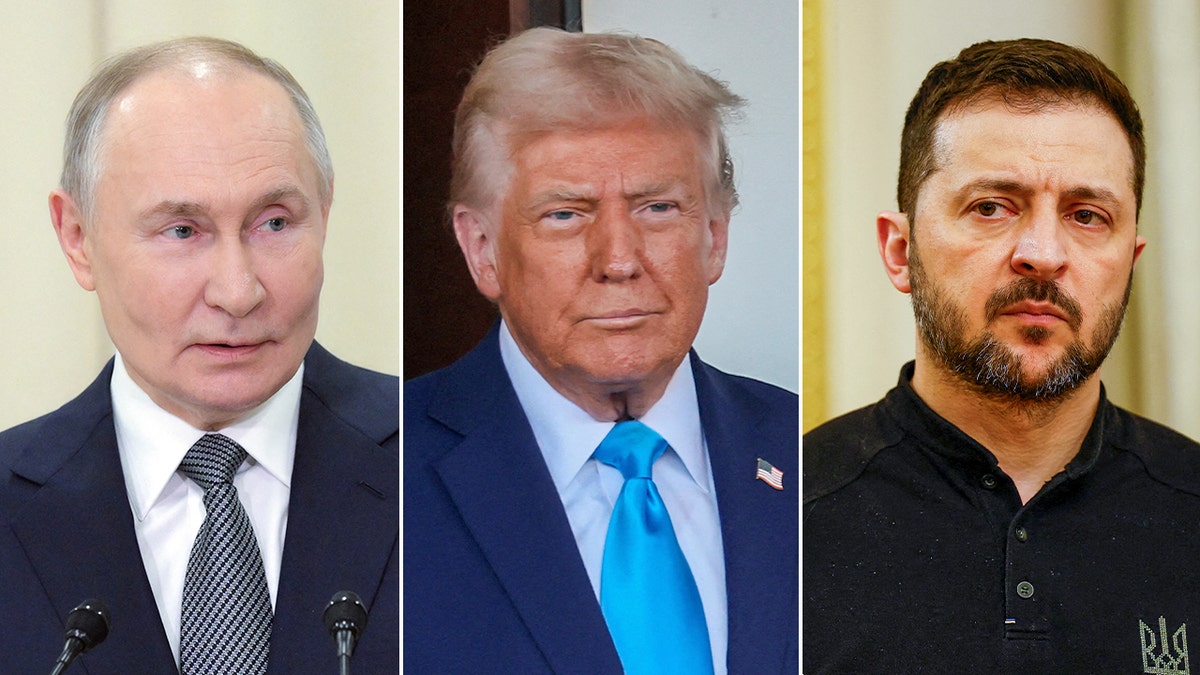
Geneva, November 23, 2025 – A critical round of talks aimed at charting a path toward ending Russia’s nearly three-year-long invasion of Ukraine commenced in Geneva today, with Ukrainian officials confirming the start of high-level discussions surrounding a controversial U.S.-proposed peace plan. The atmosphere was charged with a mix of cautious optimism and deep-seated apprehension, as the 28-point blueprint, crafted by the United States, has already sparked significant alarm in Kyiv and across European capitals for its perceived concessions to Moscow.
The Ukrainian delegation, led by presidential chief of staff Andrii Yermak, initiated the day’s agenda with a meeting involving national security advisers from key European allies: the United Kingdom, France, and Germany. Yermak, a central figure in Ukraine’s diplomatic efforts, conveyed a positive outlook via social media, stating, "The next meeting is with the U.S. delegation. We are in a very constructive mood. We continue working together to achieve a lasting and just peace for Ukraine." This sentiment, however, came against a backdrop of considerable internal and external pressure regarding the specifics of the proposed framework.

Later in the day, the U.S. delegation, featuring high-profile figures, was set to join the discussions. Secretary of State Marco Rubio, accompanied by Army Secretary Dan Driscoll and special envoy Steve Witkoff, underscored the gravity with which Washington viewed these negotiations. Their presence signaled a direct engagement at the highest levels of U.S. foreign policy and defense, highlighting the urgency President Trump has placed on resolving the protracted conflict.
From Kyiv, Ukrainian President Volodymyr Zelenskyy closely monitored the proceedings, expressing his fervent hope for a breakthrough. In a message posted on Telegram, Zelenskyy articulated the profound expectations riding on these talks: "A positive result is needed for all of us. Ukrainian and American teams, teams of our European partners — are in close contact, and I very much hope there will be a result. Bloodshed must be stopped and it must be guaranteed that the war will not be reignited." His words encapsulated the twin objectives for Ukraine: an immediate cessation of hostilities and robust, long-term security guarantees to prevent future aggression.
The bone of contention, the U.S.-proposed 28-point peace plan, has become a focal point of intense diplomatic activity and strategic debate. While a joint statement issued by Western leaders on Saturday acknowledged that the plan "includes important elements that will be essential for a just and lasting peace," it pointedly added that "additional work is required." This diplomatic phrasing thinly veiled widespread concerns that the current iteration of the plan leaned too heavily in favor of Russia, potentially undermining Ukraine’s sovereignty and territorial integrity.
Indeed, President Zelenskyy himself had voiced his reservations just days prior, on Friday, suggesting that his nation faced an agonizing choice between upholding its sovereign rights and retaining the indispensable U.S. support crucial for its defense. The core of the problem lies in several provisions within the plan that reportedly acquiesce to many of Russia’s long-standing demands, demands that Ukraine has steadfastly rejected on numerous occasions. Chief among these is the potential for Ukraine to cede large tracts of territory currently occupied by Russian forces – a prospect anathema to Kyiv’s core war aims and national resolve. President Trump’s pronouncement on Friday, urging Ukraine to accept the plan by late next week, added another layer of pressure, intensifying the diplomatic scramble in Geneva.
European allies echoed Ukraine’s apprehension. Alice Rufo, France’s minister delegate at the Defense Ministry, spoke to broadcaster France Info before Sunday’s talks, emphasizing that key points of discussion would undoubtedly revolve around the plan’s proposed restrictions on the Ukrainian army. Such limitations, she argued, represented "a limitation on its sovereignty." Rufo’s statement underscored a fundamental principle for many European nations: "Ukraine must be able to defend itself. Russia wants war and waged war many times in fact over the past years." The memory of Russia’s historical aggression looms large over these negotiations, informing the cautious stance of many Western powers.
President Trump, speaking to reporters outside the White House on Saturday, had attempted to soften the impact of his ultimatum by asserting that the U.S. proposal was not his "final offer." "I would like to get to peace. It should have happened a long time ago. The Ukraine war with Russia should have never happened," Mr. Trump stated, reiterating his long-held belief that the conflict was avoidable. "One way or the other, we have to get it ended." However, he offered no further clarification on what he meant by "not final offer," leaving room for speculation and ambiguity that only heightened the diplomatic complexity. The White House did not respond to requests for further detail, maintaining a strategic silence on the specific flexibility of the plan.
The lack of clarity around the plan’s origins and its precise contents also fueled skepticism among other allies. Polish Prime Minister Donald Tusk, speaking on Sunday, indicated Warsaw’s readiness to engage with the plan alongside leaders from Europe, Canada, and Japan. Yet, he added a crucial caveat: "It would be good to know for sure who is the author of the plan and where was it created." Tusk’s comment pointed to underlying concerns about transparency and the potential for external influence, particularly from Moscow. The historical context of Poland’s fraught relationship with Russia further amplified these concerns, as any peace deal perceived as unfair or imposed could have significant regional security implications.
Adding to the controversy, a bipartisan group of U.S. senators on Saturday publicly claimed that Secretary Rubio had privately described the plan not as a Washington-led proposal, but rather as a Russian "wish list." These senators held a news conference, stating they had spoken with Rubio while he was en route to Geneva. Independent Maine Sen. Angus King explicitly quoted Rubio as saying the plan "was not the administration’s plan" but a "wish list of the Russians." This assertion, if true, would have fundamentally altered the perception of the U.S. position and potentially undermined its credibility as a neutral facilitator.
However, Rubio swiftly rejected these claims later on Saturday night. In a social media post, he unequivocally stated: "The peace proposal was authored by the U.S. It is offered as a strong framework for ongoing negotiations. It is based on input from the Russian side. But it is also based on previous and ongoing input from Ukraine." His denial was reinforced by State Department spokesperson Tommy Pigott, who called the senators’ account "blatantly false." Pigott reiterated via social media that "As Secretary Rubio and the entire Administration has consistently maintained, this plan was authored by the United States, with input from both the Russians and Ukrainians." A senior U.S. official further corroborated this stance in a statement to CBS News, emphasizing that the Trump administration has "consistently maintained" the plan’s U.S. authorship, with input from both warring parties. "This plan has always been a hopeful start to continued negotiations, and eventually the signing of a final peace agreement once and for all," the official concluded, attempting to frame the initiative as a constructive opening rather than a dictated solution.
These contradictory narratives surrounding the plan’s authorship and intent underscored the immense diplomatic tightrope being walked in Geneva. For Ukraine, the stakes could not be higher: a peace that preserves its sovereignty and territorial integrity, or one that legitimizes Russian aggression and sets a dangerous precedent for future international conflicts. For the U.S. and its Western allies, the challenge lies in forging a unified front that can both pressure Russia and secure a just outcome for Ukraine, all while managing internal disagreements and maintaining the delicate balance of transatlantic unity. The discussions in Geneva today represent merely the initial steps in what promises to be a protracted and complex diplomatic struggle, with the fate of Ukraine and the broader European security architecture hanging in the balance.