As NATO allies accuse Russia of hybrid warfare, U.S. joins war games in Sweden focused on disrupting sabotage
Stockholm, Sweden – In a striking escalation of geopolitical tensions, a growing chorus of America’s European allies is openly accusing Russia of engaging in "hybrid warfare," pushing the continent into a precarious "gray zone" between outright peace and active conflict. This alarming assessment comes amid a surge of mysterious drone sightings near critical infrastructure and military installations, fueling deep-seated concerns over alleged Russian incursions into NATO airspace and covert sabotage operations. In response to this evolving threat landscape, the United States has joined its allies in high-stakes war games conducted in the contested waters of the Baltic Sea, focusing on the intricate and challenging task of disrupting enemy sabotage.
The North Atlantic Treaty Organization, a cornerstone of U.S. foreign policy for over 75 years, finds itself facing a renewed and multifaceted challenge. CBS News was granted rare access to observe these crucial exercises near Stockholm, offering a firsthand look at how the alliance is adapting to a new era of clandestine threats in a region increasingly viewed as a potential flashpoint. The scenario unfolded with chilling realism: an "enemy" submarine, played by a German U-boat, was tasked with a covert espionage and sabotage mission against NATO allies in northern Europe. The subsequent hunt across the vast expanse of the Baltic Sea involved a sophisticated array of allied forces, including U.S. spy planes flying overhead, meticulously tracking the simulated adversary.
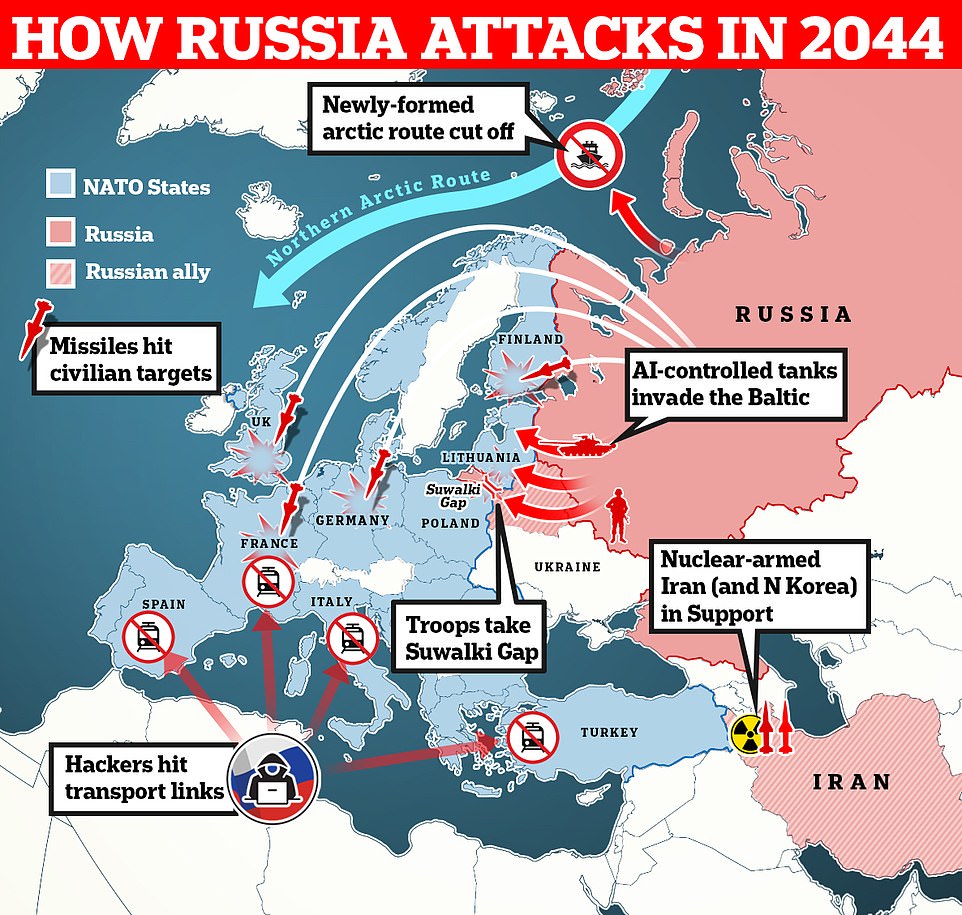
Commander Arlo Abrahamson, a U.S. Navy officer and spokesman for NATO’s maritime headquarters, which has been closely monitoring Russia’s military build-up in the Baltic, underscored the alliance’s defensive posture. "NATO is a defensive alliance," he stated, emphasizing the interconnected nature of modern threats. "The potential threats of adversaries in this region are interconnected throughout the world." His words serve as a stark reminder that any destabilization in northern Europe would inevitably ripple outwards, impacting the United States and the global economy.
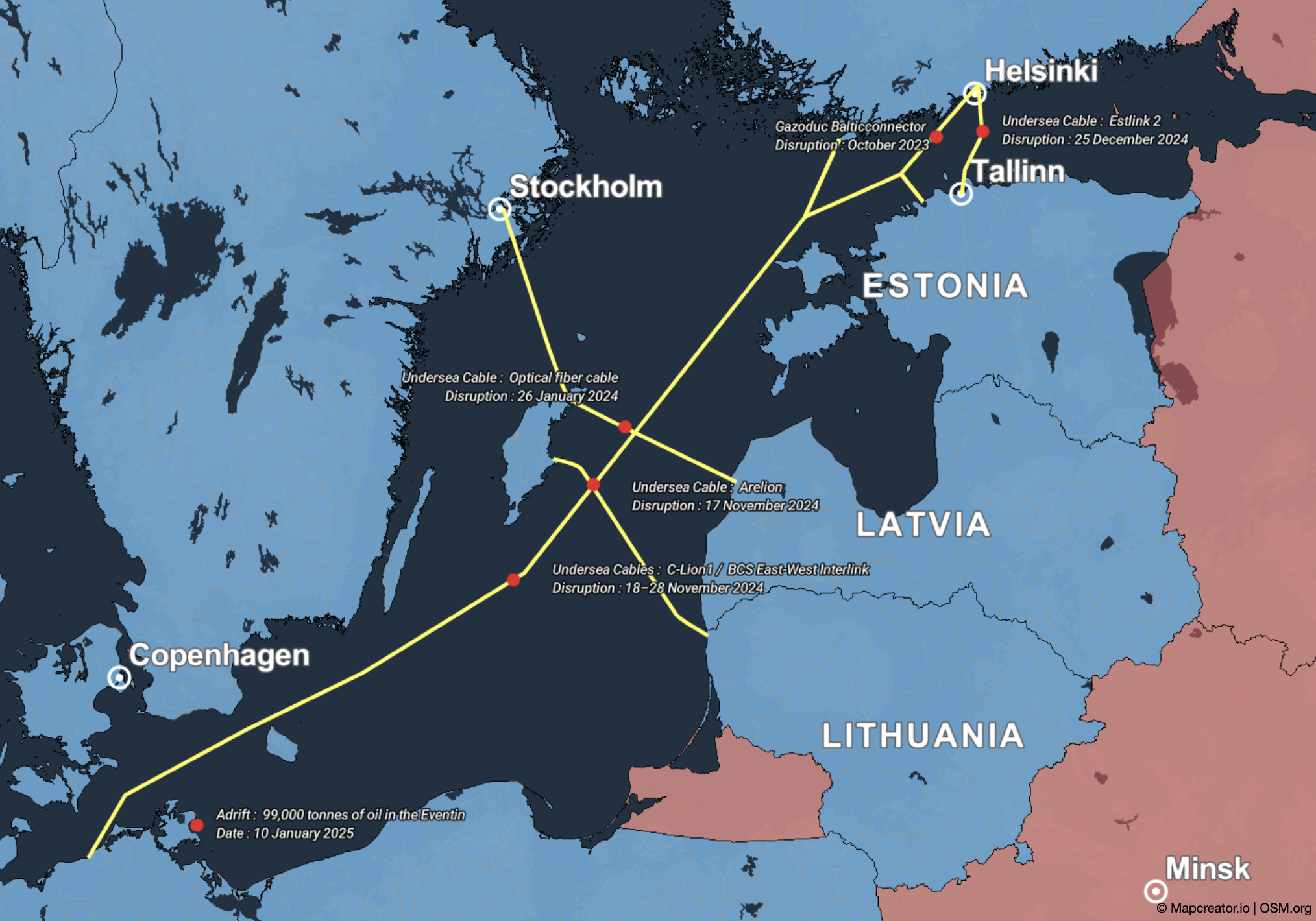
The Baltic Sea, a vital maritime corridor, shares extensive coastlines with several of America’s NATO allies, including Sweden, Finland, Poland, and Germany, as well as Russia itself. This geographic proximity has made it a suspected testing ground for Russia’s hybrid tactics. In recent years, Moscow is widely believed to have carried out multiple acts of sabotage against critical undersea infrastructure, notably damaging data cables that form the backbone of the global internet. These submerged arteries carry an staggering trillions of dollars worth of financial transactions every single day, along with the vast majority of international digital communications. The deliberate disruption of such cables could cripple Western economies and throw societies into disarray, a catastrophic scenario that NATO is now actively training to prevent.
The implications of such attacks extend far beyond immediate financial losses. A widespread disruption of undersea cables could sever international communications, impede military command and control, and undermine public confidence in digital systems. It represents a potent, non-kinetic weapon in the arsenal of hybrid warfare, capable of inflicting severe damage without direct military engagement. The exercises in the Baltic Sea are thus not merely about traditional naval combat but about safeguarding the very sinews of modern civilization against unseen threats.
Leading these pivotal exercises this week was Sweden, NATO’s newest member, which granted CBS News exclusive access to one of its advanced stealth warships, the HMS Helsingborg. The vessel, designed for shallow-water operations and equipped with state-of-the-art anti-submarine capabilities, played a crucial role in the hunt for the pseudo-enemy submarine. For over two centuries, Sweden steadfastly maintained a policy of military non-alignment, a historical stance deeply ingrained in its national identity. However, Russia’s full-scale invasion of Ukraine in February 2022 fundamentally reshaped Sweden’s security calculus, prompting a historic decision to abandon neutrality and seek the protective umbrella of NATO. This shift, formalized with its membership last year, marks a profound geopolitical realignment, significantly bolstering NATO’s presence and capabilities in the Baltic region.
Commander Paula Wallenburg of the Swedish navy, a key figure in these operations, articulated the daily reality faced by her forces. "We face the Russians every day, sharing the same duck pond, so to say," she told CBS News. Her candid remarks echoed recent accusations from Lithuanian officials, who have similarly charged Russia with engaging in a sophisticated form of hybrid warfare, characterized by alleged airspace violations, disinformation campaigns, and acts of sabotage. Wallenburg’s assessment of the current state of affairs was sobering: "We’re not at peace, but not at war. We’re somewhere in between."
This unsettling "in-between" state, Wallenburg conceded, bears an uncanny resemblance to the Cold War era, when the nuclear-armed United States and the then-Soviet Union engaged in a high-stakes standoff, constantly testing each other’s resolve without ever descending into full-scale conventional warfare. While the direct threat of nuclear annihilation remains a background concern, the current confrontation is defined by its ambiguity, its reliance on deniable actions, and its deliberate blurring of the lines between peace and conflict. "It’s a very serious situation when it comes to security here in this area," she emphasized, highlighting the urgency of robust defensive measures and unwavering vigilance.
Indeed, the Kremlin has openly declared its view that Russia is already at war with NATO, citing the alliance’s extensive support for Ukraine as a direct act of aggression against Moscow. This narrative, while rejected by NATO as a pretext for its own expansionist ambitions, underscores the deep ideological chasm and heightened risk perception on both sides. In response to this explicit declaration and the tangible threat of hybrid attacks, America’s NATO allies bordering the Baltic Sea – Sweden, Finland, Poland, and Germany – have collectively resolved to significantly boost their domestic military spending and dramatically beef up their national defenses. This commitment signals a unified understanding that the threat is real, immediate, and requires a substantial, coordinated response.
The enhanced military budgets will fund modernization programs, increased troop readiness, and the development of advanced capabilities specifically tailored to counter hybrid threats, including anti-submarine warfare, cybersecurity defenses, and intelligence gathering. The exercises in Sweden are a tangible manifestation of this renewed commitment, demonstrating NATO’s resolve to protect its members and their critical infrastructure from all forms of aggression, overt or covert. The alliance’s ability to seamlessly integrate forces from diverse nations, as seen with the U.S. and German participation in the Swedish-led drills, is paramount to presenting a credible deterrent.
As the sun set over the Baltic Sea, casting long shadows across the warships engaged in their intricate dance, the message from Stockholm was clear: Europe is confronting a new, complex, and dangerous reality. The era of clear-cut peace or war has been replaced by a shadowy conflict fought on multiple fronts, from the depths of the ocean to the digital realm. The U.S. and its NATO allies are not merely preparing for conventional warfare; they are adapting to a continuous state of competition and confrontation, where the disruption of sabotage and the defense against hybrid tactics are as crucial as any traditional battlefield victory. The security of the region, and by extension, the stability of the global order, now hinges on their collective ability to navigate this treacherous "gray zone" with unwavering resolve and advanced capabilities.
Steve Berriman contributed to this report.