U.S. issues unusual warning to Americans in Japan: Beware of bear attacks
TOKYO, Japan – The United States State Department has issued an extraordinary and urgent warning to American citizens residing in or traveling to Japan, urging heightened vigilance against a significant and alarming surge in bear attacks and sightings across various parts of the country. This unusual advisory, released on Wednesday, November 13, 2025, marks a rare instance where U.S. officials have specifically cautioned travelers about wildlife threats in a nation typically regarded as exceptionally safe.
The warning underscores a dramatic increase in human-bear conflicts, particularly in Japan’s northern regions, which have seen a record number of fatalities. Since April of the current fiscal year, at least 13 individuals have tragically lost their lives due to bear encounters. This figure more than doubles the five deaths reported in the entire 2023-2024 fiscal year, making it the highest number of bear-related fatalities since Japan began keeping such records in 2006. Beyond the fatalities, over 100 other people have sustained injuries, according to Environment Ministry statistics compiled through the end of October.
In its detailed "wildlife alert," the State Department explicitly advised Americans to proactively avoid any areas where bears have been sighted, emphasizing particular caution when walking alone. The alert stressed the critical importance of maintaining acute awareness of one’s surroundings at all times. Furthermore, it directed anyone who spots a bear to immediately report the sighting to local Japanese authorities, whose rapid response could be crucial in preventing further incidents.
The epicenters of these escalating conflicts are predominantly concentrated in northern Japan. The State Department specifically highlighted the prefectures of Hokkaido and Akita, alongside Sapporo City, as areas of particular concern. In a stark illustration of the immediate threat, officials in Sapporo City were compelled to close a park adjacent to the U.S. Consulate General following a confirmed bear sighting within its vicinity. The gravity of the situation in Akita Prefecture has prompted an unprecedented response, with Japanese troops recently deployed to assist in containing the animals. Local police have also been granted authorization to use firearms against bears deemed an immediate threat, a measure reflecting the dire circumstances.
Given the escalating risks, the State Department strongly encouraged all U.S. citizens in Japan to register for the Smart Traveler Enrollment Program (STEP). This vital program facilitates the direct delivery of security messages and alerts from the State Department to enrolled individuals. Crucially, it also enables U.S. consular officials to more easily locate and assist American citizens in the event of an emergency, providing a critical layer of safety and communication.
Japan’s overall travel advisory level remains at a reassuring Level 1, meaning travelers are advised to "exercise normal precautions." This consistent low-risk designation for a developed nation makes the current wildlife warning exceptionally rare. While the State Department routinely issues advisories for various global destinations, explicit warnings pertaining to wildlife in a country like Japan—known more for its urban safety and natural beauty than dangerous animals—are uncommon. U.S. officials did not immediately provide statistics on the frequency of similar wildlife-specific warnings in other countries, yet the tone and specificity of this alert suggest its unusual nature.
Experts point to a complex interplay of environmental and demographic factors contributing to this alarming rise in human-bear encounters. A significant driver is Japan’s aging and declining rural population. As younger generations migrate to urban centers for economic opportunities, vast tracts of rural land, including farmlands and residential areas, are progressively abandoned. These areas then slowly revert to natural forest, effectively expanding the habitat available for bears. Biologist Koji Yamazaki from Tokyo University of Agriculture elucidated this phenomenon to CBS News in 2023, explaining, "When that area recovered to the forest, so bears have a chance to expand their range." This ecological shift means bears, once confined to deeper wilderness, are increasingly finding themselves in closer proximity to human settlements, encountering people in unexpected places like schools, supermarkets, and even near transportation hubs such as Iwate Hanamaki Airport.
Compounding this demographic shift is the changing landscape of local hunting practices. The traditional knowledge and expertise of bear hunting, often passed down through generations, are diminishing as the population ages and fewer young people take up the sport. This decline in experienced hunters means there are fewer natural controls on bear populations and a reduced capacity for preventative measures that might otherwise mitigate human-bear conflicts. Furthermore, public sentiment regarding wildlife often presents a dilemma, balancing the need for safety with conservation efforts, sometimes leading to hesitancy in implementing aggressive culling or management strategies.
Climate change is also playing a critical role, further disrupting the delicate balance between humans and wildlife. Altered weather patterns can affect the bears’ natural hibernation schedules, potentially shortening their dormancy periods or causing them to emerge at unusual times. More significantly, climate change impacts the availability of natural food sources, such as acorns, nuts, and berries. When these crucial food supplies are scarce due to irregular weather, bears are compelled to venture further afield, often into human-populated areas, in search of sustenance. This desperate search for food drastically increases the likelihood of dangerous encounters.
Japan is home to two distinct bear species: the Asian black bear (also known as the moon bear) and the brown bear. Asian black bears are found throughout the country’s mainland. These bears are adept climbers and, while smaller than their brown bear counterparts, can still weigh up to approximately 440 pounds. They are generally less aggressive but can be dangerous, especially if surprised or protecting cubs. The larger brown bears primarily inhabit the northern island of Hokkaido. These formidable creatures can weigh over 1,100 pounds and possess the speed and strength to easily outrun a human, making encounters with them particularly perilous. Both species, despite their ecological importance, are subject to culling efforts, with thousands of bears culled annually in Japan as part of population management strategies aimed at reducing conflicts.
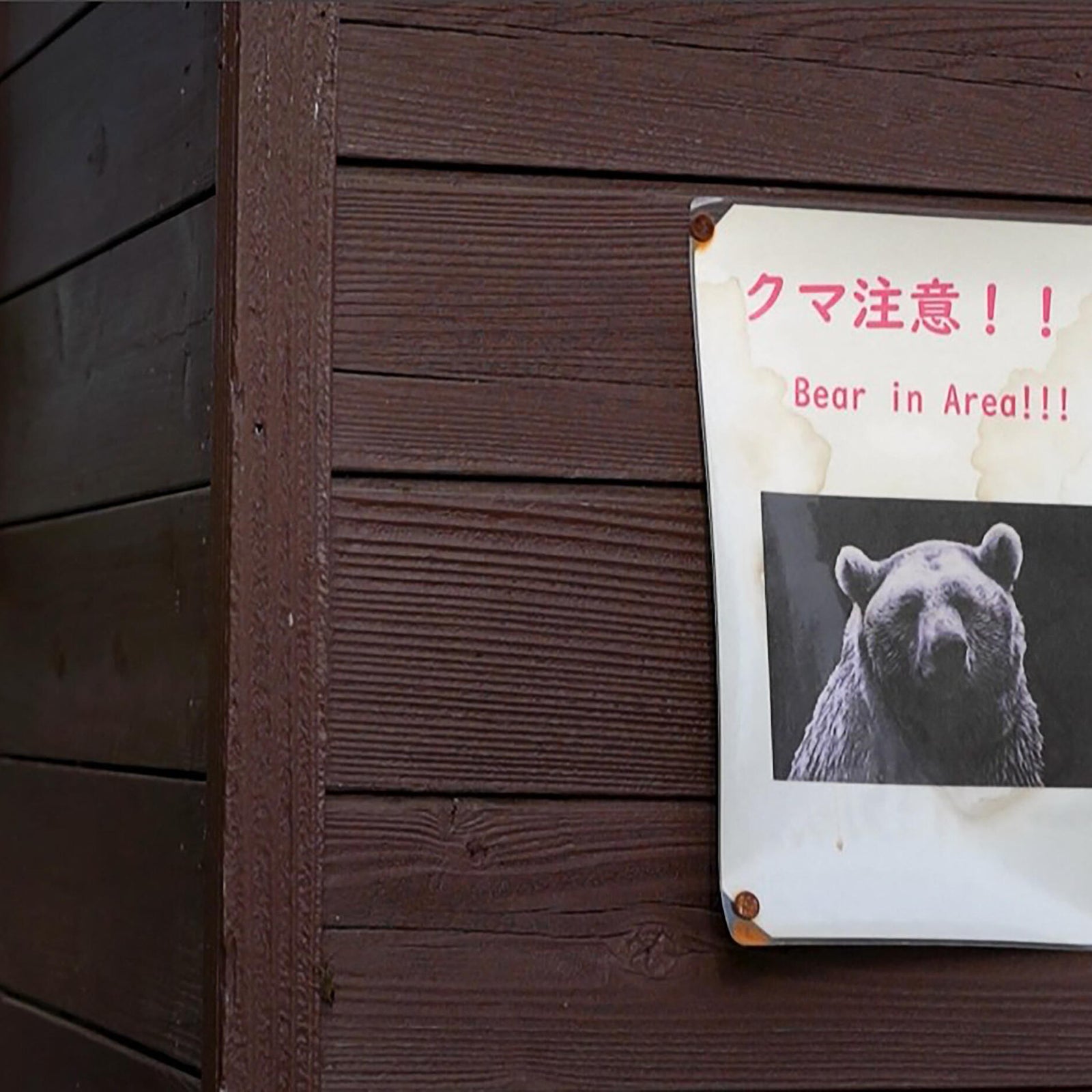
The visual representation of this crisis, such as the "Bear in Area" warning signs near forests in Akita Prefecture captured in AFPTV video footage, vividly illustrates the on-the-ground reality. An infographic detailing the natural range of Japan’s bears, the escalating numbers of injuries and fatalities over the past decade, and the culling statistics by prefecture further underscores the severity and widespread nature of the issue from 2014 through November 2025.
For American travelers, the message from the State Department is clear: while Japan remains a welcoming and generally safe destination, the current bear situation demands an elevated level of situational awareness and adherence to local advisories. This unusual warning serves as a potent reminder that even in highly developed nations, the wild can unexpectedly encroach upon human spaces, necessitating caution and preparedness. As Japan grapples with the complex challenges of demographic shifts, environmental changes, and wildlife management, sustained vigilance remains paramount for both residents and visitors alike.
AFP contributed to this report.