U.S. Conducts 20th Strike on Alleged Drug Boat, Killing 4 People in Caribbean Sea Amid Rising Regional Tensions
The U.S. military executed another missile strike on an alleged drug-trafficking vessel in the Caribbean Sea on Monday, a Pentagon official confirmed to CBS News, resulting in the deaths of four individuals onboard. This latest incident marks a significant escalation in a covert anti-drug offensive by the Trump administration, bringing the total number of vessels destroyed to at least 21 across 20 separate strikes in international waters since September, with a confirmed death toll now reaching at least 80 people.
The operations, the details of which have largely remained cloaked in secrecy, are officially framed by the Trump administration as a crucial component of a broader anti-drug campaign. Defense Secretary Pete Hegseth, in a social media post earlier in the week, formally designated this expansive anti-trafficking effort as "Operation Southern Spear." The Pentagon has been notably reticent in providing extensive information about the specifics of the most recent strike, adhering to a pattern of limited disclosure that has characterized the entire campaign.
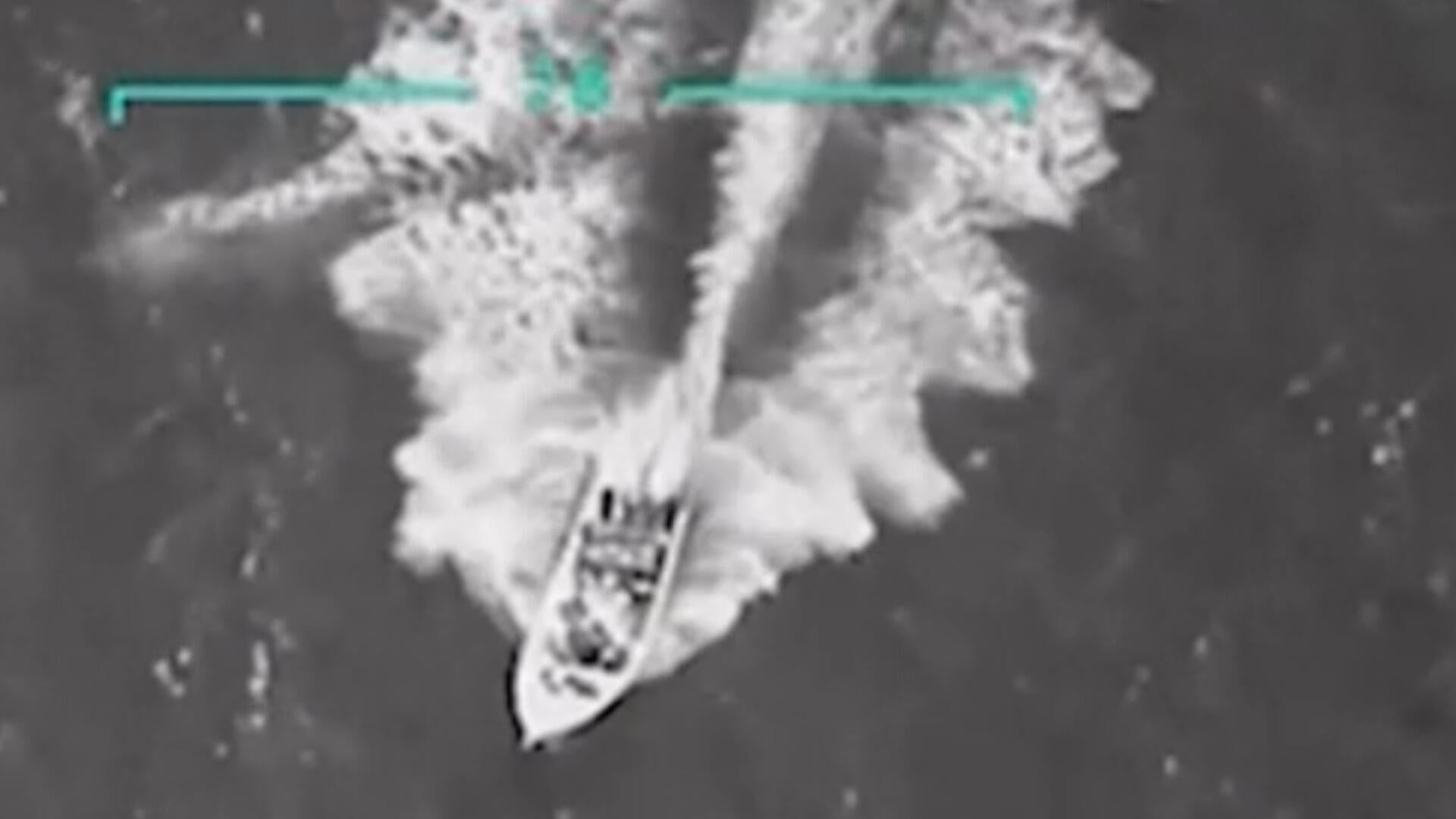
Previously, Secretary Hegseth has publicly stated that these attacks have specifically targeted "narco-terrorists" operating along known drug trafficking routes in both the Pacific and Caribbean. However, U.S. officials have consistently failed to provide concrete, publicly verifiable evidence to substantiate claims that the interdicted vessels were indeed smuggling illicit drugs or, more critically, posed a direct and imminent threat to the national security of the United States. This persistent lack of transparency has fueled significant international concern and criticism regarding the legality and ethical implications of these aggressive tactics.
Indeed, the increasingly kinetic approach has drawn sharp rebuke from international legal experts and human rights organizations. Many assert that these strikes, even if genuinely aimed at known drug traffickers, may constitute egregious violations of international law. Volker Türk, the United Nations Human Rights Chief, issued a stern warning this week, urging an immediate and thorough investigation into the legality of these actions. Türk specifically highlighted "strong indications" that the strikes could amount to "extrajudicial killings," a grave breach of fundamental human rights principles that demand due process and the right to life. The concern centers on whether these operations comply with the principles of necessity, proportionality, and distinction under international humanitarian law, particularly given the absence of an armed conflict declaration and the summary nature of the engagements.
The legality of using lethal force against suspected drug traffickers in international waters is a complex and highly contentious area of international law. Critics argue that while drug trafficking is a serious transnational crime, it does not automatically grant states the right to employ military force that results in fatalities without clear justification under the laws of armed conflict or self-defense. Without specific evidence of an immediate threat to U.S. forces or territory, these actions risk being categorized outside the bounds of permissible self-defense and could violate principles enshrined in the UN Convention on the Law of the Sea (UNCLOS) concerning freedom of navigation and the limited jurisdiction states have in international waters.
The timing of this 20th strike is particularly notable, occurring amidst a palpable and escalating U.S. military buildup across the wider Caribbean region. This week, the U.S. Department of Defense confirmed the deployment of the nuclear-powered aircraft carrier USS Gerald R. Ford, along with its formidable strike group of supporting warships, into the Southern Command’s area of responsibility. This expansive geographical command encompasses the entire Caribbean basin, a critical maritime crossroads. The USS Ford is not merely another naval asset; it is the largest aircraft carrier in the world, representing the pinnacle of U.S. Navy technological advancement and firepower. Its presence sends an unmistakable signal of significant military resolve and capability, amplifying regional tensions already simmering. The deployment of such a potent symbol of American military might is widely interpreted as a direct projection of power aimed at deterring adversaries and asserting U.S. influence in a volatile geopolitical landscape.
This military posturing is inextricably linked to the ongoing political crisis in Venezuela, a nation that shares extensive maritime borders with the Caribbean. Just days prior to the latest strike, senior military officials presented President Trump with updated and potentially aggressive options for operations in Venezuela. These options, according to multiple sources familiar with high-level meetings at the White House, reportedly included the possibility of kinetic strikes on land targets within Venezuela. While no final decision on such drastic measures has been made, the mere consideration of such options underscores the administration’s willingness to contemplate military solutions to the protracted political stalemate with the Maduro regime.
In a direct response to what it perceives as an overt act of aggression and a clear precursor to potential intervention, Venezuela announced a massive nationwide military exercise. Commencing on Tuesday, these drills reportedly involve some 200,000 forces, a significant mobilization intended to demonstrate the country’s defensive capabilities and resolve against external threats. Both within Venezuela, including President Nicolas Maduro himself, and among international observers, there is a pervasive belief that the intensified U.S. military presence and pressure are primarily aimed at destabilizing the Maduro government and ultimately forcing him from power.
President Trump has consistently maintained a hardline stance against Maduro, repeatedly accusing the Venezuelan leader of complicity with armed criminal gangs involved in smuggling drugs into the United States. These accusations form a core part of the U.S. justification for its aggressive posture, portraying Venezuela as a "narco-state" that actively facilitates illegal drug operations. Unsurprisingly, President Maduro has vehemently rejected these allegations, dismissing them as baseless fabrications designed to provide a pretext for U.S. intervention and regime change. In a revealing interview with "60 Minutes" recently, when pressed on whether Maduro’s "days were numbered," Mr. Trump offered a starkly unequivocal response: "I would say yeah. I think so, yeah." This statement, widely interpreted as a direct threat, further fueled speculation about the administration’s long-term intentions for Venezuela.
The regional ripple effects of these U.S. operations are already manifesting, most notably in Colombia, a historically staunch U.S. ally in counter-narcotics efforts. On Tuesday, Colombian President Gustavo Petro issued a surprising and significant directive, ordering his country to cease sharing intelligence with the United States. President Petro explicitly linked this suspension to the ongoing U.S. military actions, stating that the directive would "remain in force as long as the missile attacks on boats in the Caribbean continue." This move by Petro, a left-leaning leader who has often expressed skepticism about traditional U.S. drug policy, represents a serious diplomatic fissure and could severely hamper regional anti-drug efforts that rely heavily on intelligence cooperation. Colombia’s decision underscores the deep concern among Latin American nations regarding the unilateral and aggressive nature of the U.S. strikes, fearing they could destabilize the region and erode established cooperative frameworks.
The current situation in the Caribbean is a dangerous confluence of intensified anti-drug operations, mounting geopolitical tensions, and profound international legal and ethical questions. The Trump administration’s "Operation Southern Spear" has demonstrably escalated the use of lethal force in drug interdiction, resulting in a growing death toll and a widening diplomatic fallout. The lack of transparency surrounding these strikes, coupled with the dramatic military buildup in the region and the overt pressure on Venezuela, creates a volatile environment ripe for miscalculation and further escalation. As the international community grapples with the implications of these actions, the call for greater accountability, adherence to international law, and a transparent explanation for the use of deadly force in these operations grows louder. The future of U.S. relations with key regional partners and the stability of the Caribbean itself hang in a precarious balance.
Stephen Smith, Managing Editor for CBSNews.com, reported from New York. Eleanor Watson, James LaPorta, Jennifer Jacobs, and Haley Ott contributed to this comprehensive report.