U.K. plans to drastically reduce protections for refugees in overhaul of its asylum policies
The United Kingdom is poised to implement a sweeping and drastic overhaul of its asylum policies, a move announced by the Labour government late Saturday that will significantly reduce protections for refugees and eliminate automatic benefits for asylum seekers. These contentious new plans are explicitly designed to curb irregular immigration, primarily driven by growing pressure on Prime Minister Keir Starmer’s administration from the surging popularity of the anti-immigrant Reform UK party. The proposed measures draw heavily from Denmark’s notably strict asylum system, signaling a profound shift in the UK’s approach to international protection.
Interior Minister Shabana Mahmood, a key architect of this policy transformation, declared in a statement that the government intended to "end UK’s golden ticket for asylum seekers." This rhetoric underscores the government’s determination to present the UK as a less attractive destination for those seeking refuge, aligning with a more hardened stance on immigration that has gained traction across Europe. However, these announcements have immediately drawn sharp criticism from humanitarian organizations, with the head of Britain’s Refugee Council warning that such measures would not deter people from attempting to reach Britain and urging a comprehensive rethink.
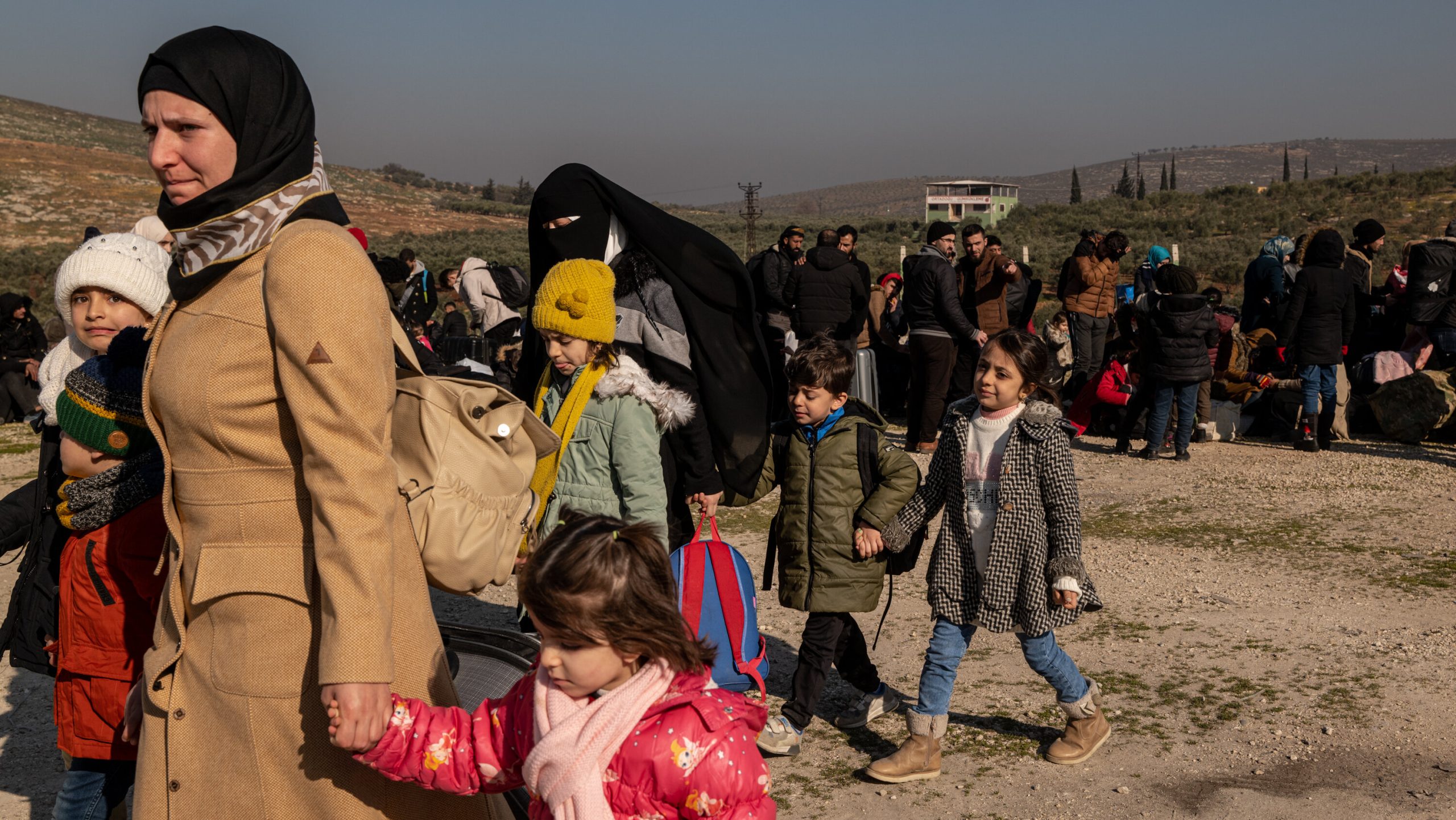
Under the current system, individuals granted refugee status in the UK receive it for a period of five years. Following this initial period, they are eligible to apply for indefinite leave to remain, a pathway that can eventually lead to full British citizenship. This framework has long been seen as providing a degree of stability and long-term integration prospects for those fleeing persecution. The Home Office, however, under Mahmood’s direction, has outlined changes that would fundamentally alter this established path.
The proposed reforms would drastically cut the length of initial refugee status from five years to a mere 30 months. This shortened protection period would be subject to "regular review," meaning refugees would face ongoing scrutiny of their circumstances. Critically, the policy stipulates that these individuals would be forced to return to their home countries "once they are deemed safe." This introduces a new level of precarity, as the definition of "safe" can be subjective and conditions in conflict-affected regions are often volatile and unpredictable. Furthermore, the ministry revealed its intention to make those refugees who are granted asylum wait an astonishing 20 years before they can even apply for long-term residency in the UK, a stark contrast to the current five-year eligibility period. This extended waiting period effectively removes any immediate prospect of settled life and integration for two decades, raising significant concerns about the mental health and well-being of affected individuals and their ability to build meaningful lives.
The context for these radical changes is a backdrop of record-high asylum claims in Britain. Official figures indicate that approximately 111,000 applications were made in the year leading up to June 2025. The Home Office has branded the new proposals, which Minister Mahmood is slated to formally present to parliament on Monday, as the "largest overhaul of asylum policy in modern times." The ministry’s stated objectives are twofold: to make the UK less appealing to irregular migrants and to streamline the process of removing those already in the country.
Beyond the reduction in protection periods, another significant component of the reform is the revocation of a statutory legal duty, introduced in a 2005 law, to provide support to asylum seekers. This pivotal change means that essential provisions such as housing and weekly financial allowances would no longer be automatically guaranteed. Instead, these forms of assistance would become "discretionary." This discretionary power would allow the government to deny aid to any asylum seeker deemed capable of working or supporting themselves but who fails to do so, or to those who have committed crimes. Critics argue that this provision risks plunging vulnerable individuals into destitution, creating a sub-class of people without basic support, and potentially pushing them into exploitative situations or informal economies.
Prime Minister Starmer’s push for these stringent measures is intrinsically linked to the ongoing challenge of migrants crossing the English Channel in small boats from France. This issue, which also plagued his Conservative predecessors, has become a potent symbol in the UK’s immigration debate. Over 39,000 people, many fleeing conflict and persecution, have arrived via these perilous journeys this year alone. While this figure exceeds the total for all of 2024, it remains lower than the record set in 2022. The continuous flow of these crossings has served as a significant catalyst for the surging popularity of Reform UK, led by the charismatic and often controversial Nigel Farage. Reform UK has consistently outpolled Labour by double-digit margins for most of this year, putting immense pressure on Starmer to demonstrate decisive action on immigration.
In seeking a blueprint for its new policy, the Labour government has openly taken inspiration from Denmark. The Scandinavian nation, currently governed by a center-left Social Democratic coalition, has implemented some of the most restrictive migration policies in Europe. Senior British officials recently undertook visits to Denmark to study their system, which has resulted in asylum claims reaching a 40-year low. Denmark’s model emphasizes temporary protection: refugees are typically granted a one-year renewable residency permit and are actively encouraged to return home as soon as authorities determine that there is no longer a need for a safe haven. This philosophy prioritizes repatriation over long-term integration, a stark contrast to the previous UK approach. Furthermore, Denmark imposes stringent requirements on family reunions, including minimum age criteria for both parents, mandatory language tests, and guarantees of financial self-sufficiency. Britain’s Interior Minister Mahmood is also expected to announce a tightening of rules surrounding family reunions as part of the UK’s broader asylum overhaul.
The proposed changes have ignited a firestorm of criticism from human rights advocates and refugee support organizations. Enver Solomon, chief executive of the Refugee Council, reiterated his organization’s deep concern, asserting that the new plans "will not deter" the desperate crossings. Solomon urged the government to reconsider, advocating for policies that "ensure that refugees who work hard and contribute to Britain can build secure, settled lives and give back to their communities." He emphasized the moral and practical importance of allowing refugees to integrate and thrive, rather than consigning them to perpetual uncertainty.
Beyond the immediate humanitarian concerns, the policy overhaul raises significant questions regarding the UK’s adherence to international law. Critics argue that drastically reducing protection periods and effectively denying long-term settlement could place the UK in contravention of its obligations under the 1951 Refugee Convention and the European Convention on Human Rights (ECHR). Legal challenges are almost certainly on the horizon, potentially leading to protracted court battles that could further complicate the implementation of these reforms. There are also concerns that these policies, by creating a class of insecure and potentially destitute individuals, could lead to increased social exclusion and public health challenges.
Internally, the Labour Party itself is likely to face significant dissent from its more left-wing lawmakers, who fear that the party is abandoning its traditional values and risking the alienation of voters who might instead turn to progressive alternatives such as the Green Party. This internal division highlights the difficult tightrope Starmer’s government is walking: attempting to appeal to a broad electorate while navigating the complex and emotionally charged issue of immigration.
The economic implications are also a subject of debate. While the government may argue that these measures will reduce the financial burden of supporting asylum seekers, critics contend that the costs of managing a system with higher rates of detention, forced returns, and increased destitution among those denied support could be substantial. Charities and local authorities may also face increased pressure to provide aid that the government withdraws, shifting the financial and social burden.
In essence, the UK’s planned asylum policy overhaul represents a pivotal moment in the nation’s history, signaling a decisive move towards a more restrictive and conditional approach to refugee protection. Driven by domestic political pressures and external influences like the Danish model, these reforms promise to reshape the lives of thousands seeking refuge in Britain. While the government hopes to curb irregular immigration and placate a segment of the electorate, the proposals have unleashed a torrent of criticism, raising profound questions about humanitarian obligations, international law, and the very fabric of British society. The implementation of these policies will undoubtedly be met with fierce resistance, setting the stage for a period of intense debate and uncertainty regarding the future of asylum in the United Kingdom.