Russia pummels Ukraine with missiles and drones, killing at least 25 as U.S. tries to revive peace talks
In a brutal escalation marking one of the most significant aerial assaults since the full-scale invasion began in February 2022, Russia unleashed a massive volley of missiles and drones across Ukraine overnight on November 19, 2025, claiming the lives of at least 25 people, including two children. The relentless barrage underscored the Kremlin’s unwavering determination to inflict widespread damage and terror, even as international efforts to de-escalate the protracted conflict gained renewed urgency.
Ukrainian President Volodymyr Zelenskyy, speaking from Turkey during a critical diplomatic visit, detailed the scale of the assault, reporting that Russia launched a staggering 476 drones and 48 cruise and ballistic missiles. While Ukraine’s robust air defense systems intercepted a significant portion of the incoming threats, its military confirmed that six or seven missiles and nearly three dozen drones managed to penetrate defenses, striking targets from the eastern front lines to the far western reaches of the country. This coordinated attack highlighted Russia’s evolving tactics, aiming to overwhelm Ukrainian air defenses through sheer volume and diverse trajectories.
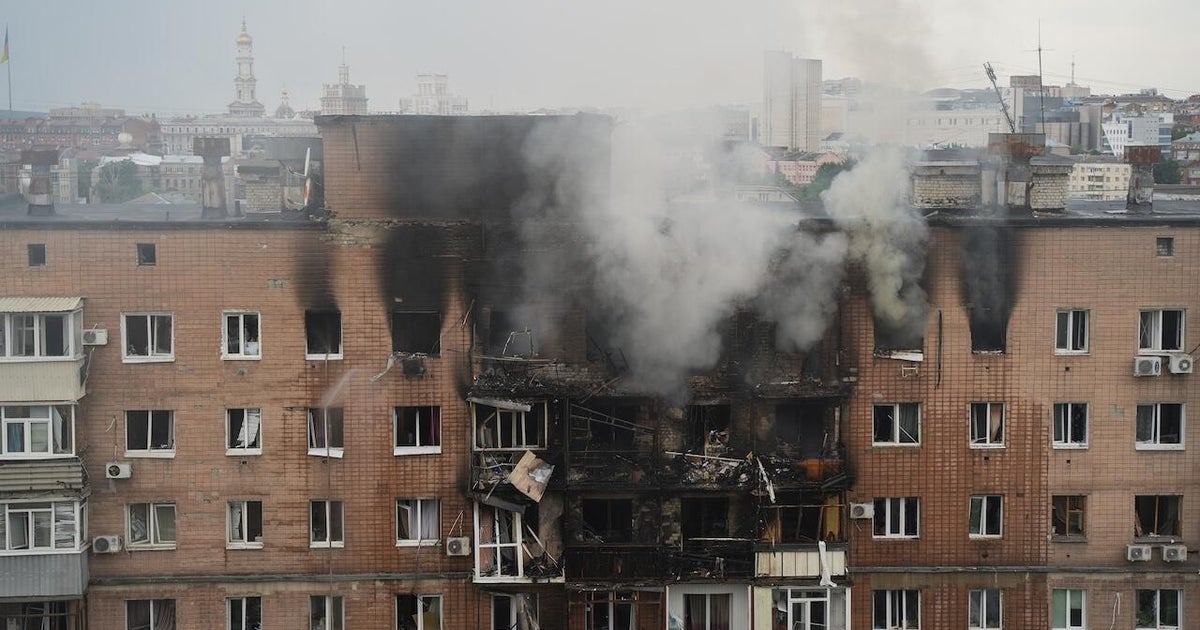
Explosions and widespread fires were reported across a broad swathe of Ukrainian territory, underscoring the indiscriminate nature of the offensive. Near the eastern city of Kharkiv, a region that has endured relentless shelling throughout the war, critical infrastructure and residential areas bore the brunt of the strikes, causing further devastation to communities already on the brink. However, the geographic spread of the attack was particularly alarming, with the western city of Lviv, situated remarkably close to Ukraine’s border with NATO-member Poland, also experiencing significant impacts. The targeting of Lviv, hundreds of kilometers from the active front lines, served as a stark reminder of Russia’s capability and willingness to strike any part of Ukraine, challenging the sense of relative security in its western territories and raising concerns among neighboring NATO allies.
The deadliest consequences of the assault were tragically concentrated in the western city of Ternopil. According to the Interior Ministry, two high-rise apartment blocks, symbols of civilian life, were directly hit, resulting in the majority of the casualties. The images emerging from Ternopil depicted scenes of unimaginable destruction: multi-story buildings reduced to rubble, rescuers sifting through debris in a desperate search for survivors, and emergency services battling raging fires. Beyond residential areas, critical energy facilities in Ternopil and other regions were also targeted. This strategic assault on Ukraine’s energy grid, a recurring tactic employed by Russia, plunged numerous regions into darkness and cold. As winter temperatures plummet, the loss of power is not merely an inconvenience but a grave matter of life and death, jeopardizing heating systems and essential services for millions of Ukrainians already facing immense hardship.
President Zelenskyy, visibly affected by the news of the attacks, utilized his platform during his visit to Turkey to amplify calls for increased international pressure on Russian President Vladimir Putin. "Every brazen attack against ordinary life indicates that the pressure on Russia is insufficient," Zelenskyy wrote in a poignant social media post, urging the global community to recognize the urgency of the situation. He pledged to press Turkish President Recep Tayyip Erdogan to leverage Turkey’s unique diplomatic position to further isolate Russia on the international stage. "Foremost, we will discuss maximum capabilities to ensure that Ukraine achieves a just peace," he stated, hinting at broader diplomatic maneuvers.
Intriguingly, Zelenskyy also mentioned "some positions and signals from the United States," adding, "well, let’s see tomorrow," without elaborating further. This cryptic remark coincided with renewed American efforts to kickstart stalled peace negotiations. New U.S. sanctions targeting Russia’s vital oil industry, designed to exert significant economic pressure and compel Putin to engage in meaningful talks, were slated to take effect the following day. Concurrently, a U.S. official confirmed to CBS News that Army Secretary Dan Driscoll was in Ukraine on Wednesday as part of a high-level delegation specifically tasked with trying to restart peace talks. The presence of such a senior U.S. military official on Ukrainian soil, focused on diplomatic rather than purely military objectives, signaled a nuanced shift in Washington’s strategy, suggesting a recognition that while military aid remains crucial, a path to peace must also be explored.
Zelenskyy’s visit to Turkey was the culmination of a whirlwind diplomatic tour that had earlier taken him to Greece, France, and Spain. In each capital, his central mission remained consistent: to rally further support for Ukraine’s defense efforts, secure additional military aid – particularly advanced air defense systems crucial for countering Russia’s missile and drone barrages – and maintain the united front against Russian aggression. Turkey, a NATO member that has nonetheless maintained stable, albeit complex, ties with both Russia and the United States throughout the conflict, holds a pivotal position as a potential mediator. Zelenskyy’s hope was that Erdogan, leveraging his unique diplomatic channels and personal rapport with Putin, could serve as an effective intermediary to bring the Russian leader back to the negotiating table for a lasting peace agreement.
However, the Kremlin’s stance on peace talks has remained largely consistent and, to many, disingenuous. Kremlin spokesman Dmitry Peskov, speaking earlier in the week, reiterated that there were "no immediate plans" for Putin to engage in direct talks. Yet, he predictably added the familiar refrain that the Russian leader was "of course open to a conversation" – a sentiment voiced countless times since the invasion began, often immediately preceding or following major Russian offensives. This recurring rhetoric is widely perceived as a tactic to project an image of reasonableness while simultaneously pursuing military objectives on the ground, without demonstrating any genuine willingness to compromise on fundamental issues, particularly regarding Ukraine’s territorial integrity and sovereignty.
The nearly four-year conflict has evolved into a grinding war of attrition, with neither side achieving decisive breakthroughs but both enduring immense losses. Russia’s strategy of systematically degrading Ukraine’s civilian infrastructure, particularly during the harsh winter months, aims to break the will of the Ukrainian people and create conditions ripe for capitulation. However, each attack, while devastating, has paradoxically strengthened Ukrainian resolve and reinforced international condemnation. The constant need for more advanced weaponry, particularly air defense systems like Patriots and NASAMS, remains paramount for Ukraine to protect its skies and its citizens. International military and financial aid, alongside robust sanctions against Russia, are the pillars of Ukraine’s resistance.
The latest barrage, coming amidst a renewed diplomatic push by the U.S. and Zelenskyy’s intense lobbying efforts, highlights the profound disconnect between the battlefield realities and the aspirations for peace. For any meaningful peace talks to materialize, fundamental shifts in position would be required from both sides, particularly from Russia regarding its territorial demands and Ukraine’s future sovereignty. As the war grinds into its fourth winter, the human cost continues to mount, and the need for a just and lasting peace becomes ever more urgent, even as the path to achieving it remains fraught with immense challenges and renewed violence. The world watches, hoping that the combined pressures of sanctions, diplomatic engagement, and unwavering support for Ukraine might, at last, compel a genuine commitment to de-escalation from Moscow.