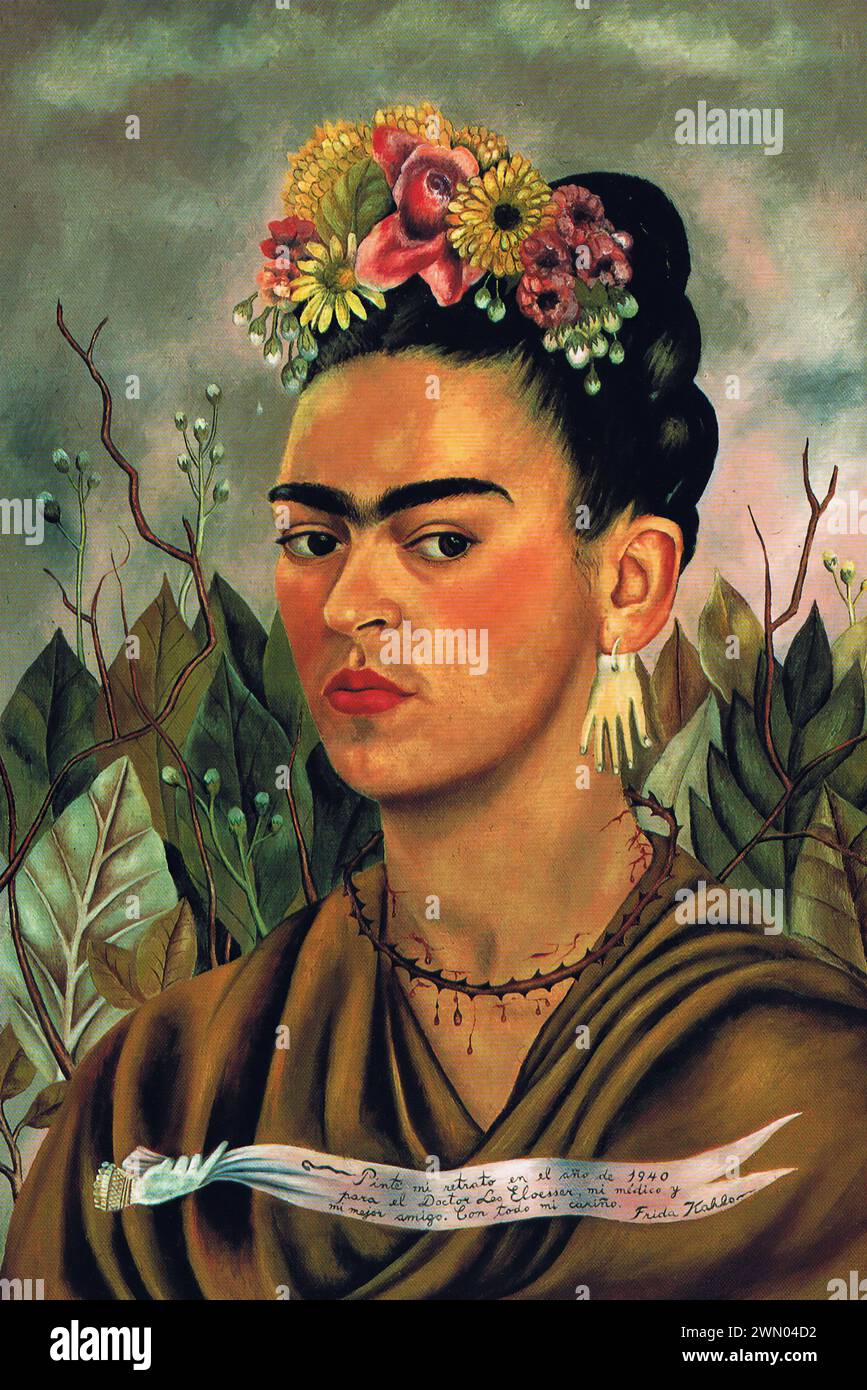
Frida Kahlo self-portrait sells for nearly $55 million, shattering record for female artists.
A monumental self-portrait by the legendary Mexican artist Frida Kahlo, titled "El sueño (La cama)" or "The Dream (The Bed)," achieved an astonishing $54.7 million at a New York art auction on Thursday, November 20, 2025, irrevocably rewriting the record books for female artists globally. The sale at Sotheby’s not only reaffirmed Kahlo’s towering status in the art world but also signaled a significant shift in the valuation and recognition of women’s contributions to art history, nearly doubling its previous record from just a few years ago.
The captivating 1940 oil painting depicts Kahlo in a deeply personal and symbolic slumber, setting a new benchmark that dramatically surpassed the prior record held by American modernist Georgia O’Keeffe’s "Jimson Weed/White Flower No. 1," which fetched $44.4 million in 2014. This unprecedented acquisition also shattered Kahlo’s own previous auction record for a Latin American artist, which was established in 2021 when her intensely emotional work, "Diego and I," depicting herself and her muralist husband Diego Rivera, sold for $34.9 million. While private sales of Kahlo’s works are rumored to have commanded even higher figures, this public auction result undeniably solidifies her position at the pinnacle of the international art market.
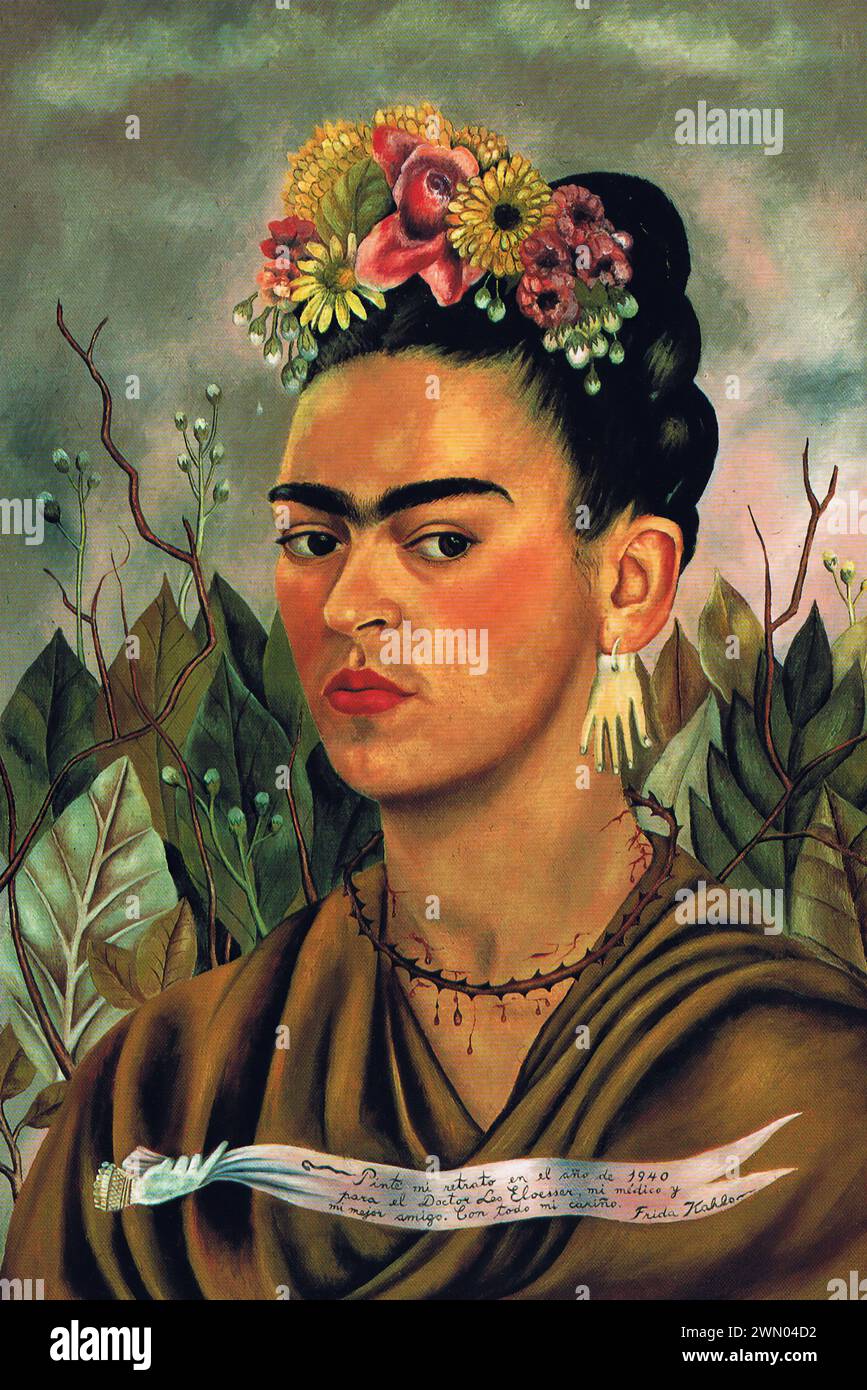
The bidding war for "El sueño (La cama)" was swift and intense, unfolding over a mere five minutes between two determined collectors at Sotheby’s. The final hammer price represents an astounding increase of over 1,000 times its value from 45 years prior, when the same painting changed hands at Sotheby’s in 1980 for a comparatively modest $51,000. This exponential appreciation underscores the escalating global fascination with Kahlo’s unique artistic vision and profound personal narrative.
Anna Di Stasi, Sotheby’s Head of Latin American Art, eloquently captured the historical significance of the sale in a post-auction news release. "When this painting sold at Sotheby’s in 1980 for $51,000, few could have imagined it returning 45 years later to command $55 million. This record-breaking result shows just how far we have come, not only in our appreciation of Frida Kahlo’s genius, but in the recognition of women artists at the very highest level of the market," Di Stasi stated. She further elaborated on the painting’s enduring power, noting, "In El sueño, Kahlo confronts her own fragility, yet what emerges is a portrait of extraordinary resilience and strength. It is an enduring testament to one of the most admired and sought-after artists of our time." Her words resonate deeply, highlighting the painting as a powerful symbol of vulnerability transformed into artistic triumph.
The self-portrait itself is a masterpiece of introspective symbolism, characteristic of Kahlo’s deeply personal oeuvre. It portrays the artist seemingly asleep, draped in a golden blanket, lying in a majestic, colonial-style wooden bed that appears to float ethereally amidst a bed of soft clouds. Crawling vines and lush leaves entangle her form, suggesting a connection to nature and perhaps the inescapable tendrils of her physical existence. Most strikingly, suspended directly above her bed is a skeletal figure, wrapped menacingly in dynamite. This powerful and unsettling imagery has been widely interpreted by art historians as a potent visualization of Kahlo’s constant struggle with chronic pain, her profound anxiety about mortality, and her recurrent fear of dying in her sleep – a fear all too real for an artist whose daily life was defined by the aftermath of a catastrophic bus accident and a succession of painful surgeries.
"El sueño (La cama)" is particularly significant as it is one of the rare Kahlo pieces that has remained in private hands and is legally eligible for international sale. A substantial portion of Kahlo’s prolific body of work within Mexico has been officially declared an "artistic monument" by the Mexican government, a status that legally prohibits its sale abroad or destruction, ensuring it remains part of the nation’s cultural patrimony. This unique provenance added to the intense interest surrounding the auction, allowing a global collector base to vie for a piece that might otherwise be inaccessible. While the identity of the anonymous buyer has not been disclosed, the painting has already been requested for upcoming exhibitions in major cultural hubs including New York, London, and Brussels, assuaging concerns among some art historians and the public that the work, last publicly exhibited in the late 1990s, might once again recede from public view. The prospect of its return to public exhibition underscores its immense cultural and artistic value.
Kahlo’s life was a dramatic saga of pain, passion, and artistic defiance. At the tender age of 18, her life was irrevocably altered by a catastrophic bus accident that left her with debilitating injuries to her spine and pelvis. Confined to her bed for extended periods during her recovery and throughout her life, it was during this crucible of suffering that she first picked up a paintbrush, turning her bed into both a sanctuary and a canvas. She endured a lifetime of painful surgeries, often wearing restrictive casts, until her death in 1954 at the age of 47. During these years of confinement, the bed became more than just a place of rest; it transformed into a profound symbolic space, a liminal zone where the physical constraints of her body met the boundless expanse of her subconscious. It was a bridge between the waking world of suffering and the dream world of introspection, a stage upon which her mortality and resilience played out, vividly captured in works like "El sueño."
Despite her profound engagement with dreamlike imagery, Kahlo famously resisted being labeled a Surrealist, a style of art that delves into the unconscious mind and often presents illogical, startling juxtapositions. "I never painted dreams," she once asserted with characteristic directness. "I painted my own reality." This statement encapsulates her artistic philosophy: her works were not escapes into fantasy but raw, unflinching confrontations with her physical and emotional truths. Yet, Sotheby’s, in its catalog note for "El sueño," acknowledges the porous boundary she explored, describing the painting as offering "a spectral meditation on the porous boundary between sleep and death." This duality, the objective reality filtered through subjective experience, is a hallmark of her genius.
The record-breaking self-portrait was the undisputed star of a broader sale that showcased more than 100 surrealist works by titans of the movement, including Salvador Dalí, René Magritte, Max Ernst, and Dorothea Tanning. However, it was Kahlo’s intensely personal and universally resonant "reality" that ultimately captivated the market and commanded the highest price. Her enduring appeal stems not only from her distinctive artistic style but also from her powerful narrative as a woman who defied physical limitations, societal expectations, and artistic classifications to forge a unique and unforgettable legacy.
This sale is more than just a financial transaction; it is a cultural statement. It underscores the increasing recognition of female artists in a historically male-dominated art market and elevates Kahlo as a global icon whose work transcends national boundaries and artistic movements. Her ability to channel immense suffering into art, to explore themes of identity, pain, and resilience with such candor and vibrancy, continues to resonate deeply with audiences worldwide. "El sueño (La cama)" is not merely a painting; it is a testament to the extraordinary power of art to transform personal experience into universal truth, ensuring Frida Kahlo’s place as one of the most significant and celebrated artists of the 20th century and beyond.