Trump takes steps to designate Muslim Brotherhood affiliates as terrorist groups.
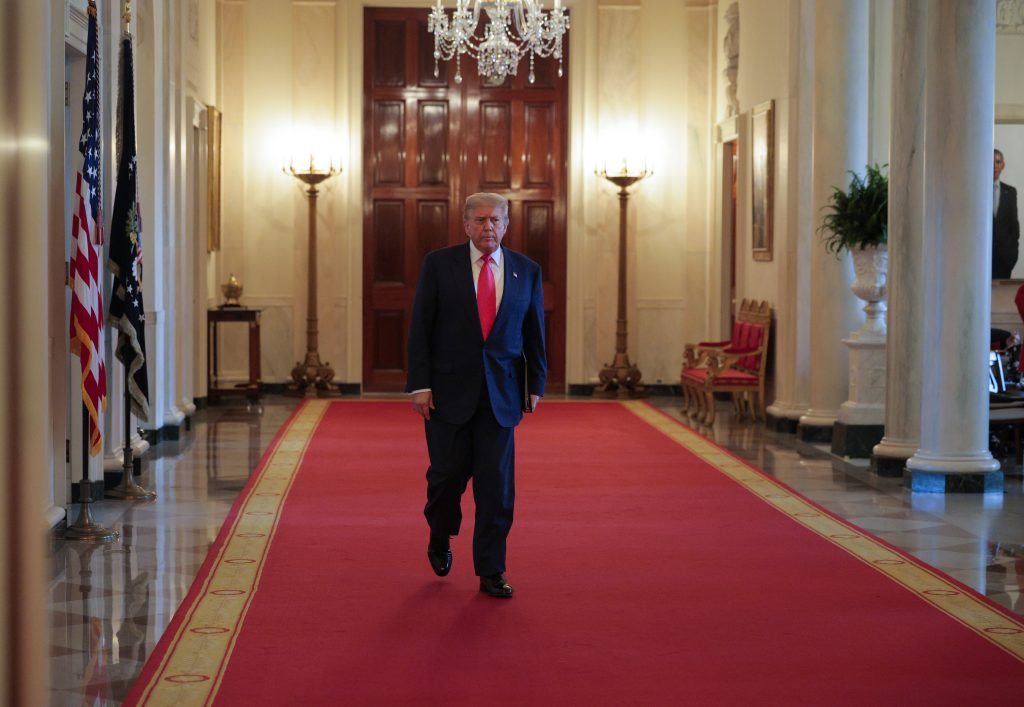
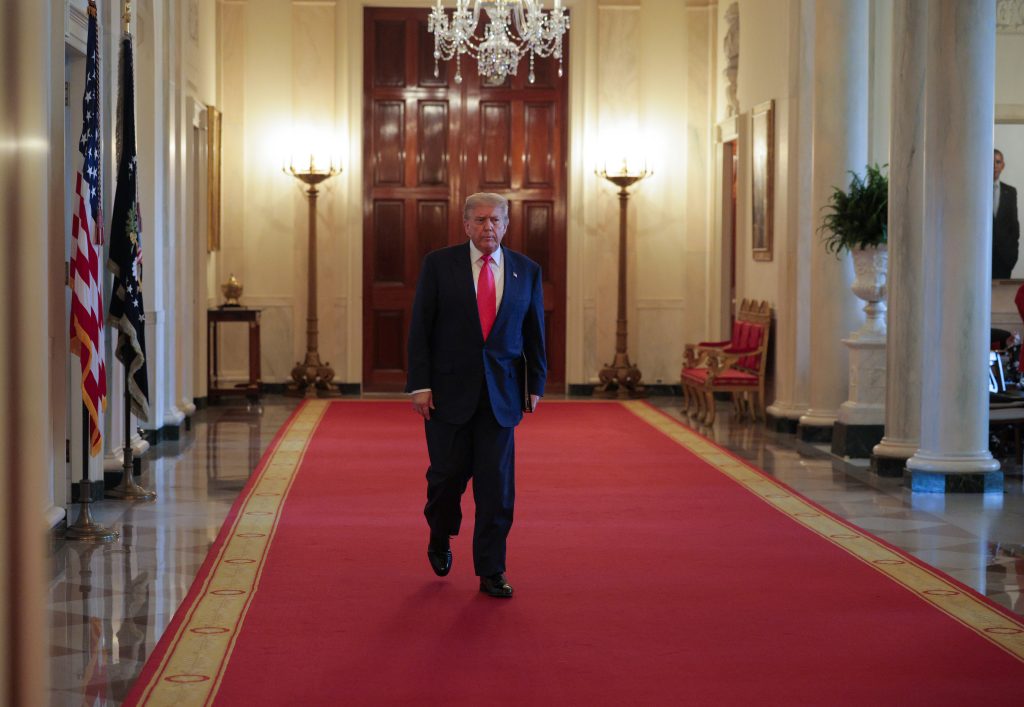
President Donald J. Trump on Monday initiated a significant policy shift, directing his administration to assess the designation of specific Middle Eastern affiliates of the Muslim Brotherhood as foreign terrorist organizations. This move targets the historically influential, yet deeply controversial, Islamist movement, marking a potential escalation in the U.S. approach to political Islam in the region. The directive came via an executive order, mandating a swift review and subsequent action from key cabinet members.
According to the executive order, the President has given Secretary of State Marco Rubio and Treasury Secretary Scott Bessent a strict timeline: 30 days to submit a comprehensive report on the matter, followed by an additional 45 days to implement any necessary actions. The order specifically calls for consideration of Muslim Brotherhood chapters in strategically vital nations such as Egypt, Lebanon, and Jordan, along with other potential affiliates elsewhere. This targeted approach suggests a nuanced effort to distinguish between the broader movement and specific entities perceived to be engaged in illicit activities.
The White House justified the directive by asserting that the implicated Muslim Brotherhood affiliates in these three countries "engage in or facilitate and support violence and destabilization campaigns." These allegations are grave and point to specific instances that the administration believes necessitate a reclassification. Notably, the order accused the military wing of the Muslim Brotherhood’s Lebanese chapter of involvement in launching rockets at Israel in the aftermath of the October 7, 2023, terrorist attack. Furthermore, it alleged that a prominent leader within the Egyptian chapter actively "encouraged violent attacks against U.S. partners" following the same devastating incident. The executive order also highlighted the long-standing accusation that members of the Jordanian chapter have consistently provided "material support to the militant wing of Hamas," which itself is a U.S.-designated foreign terrorist organization and a known offshoot of the Muslim Brotherhood. These claims underscore the administration’s perceived nexus between these specific Brotherhood entities and broader regional security threats.
Should these groups officially be designated as foreign terrorist organizations (FTOs) under U.S. law, the ramifications would be extensive and severe. Such a designation would render it explicitly illegal for any individual or entity in the U.S. to knowingly provide funding, resources, or any form of material support to them. Beyond financial restrictions, the FTO label can trigger travel bans for members of the designated groups, preventing their entry into the United States. Moreover, any assets or funds held by these organizations or their key figures in U.S. banks could be immediately frozen, effectively crippling their financial operations within the international system. This legal framework is designed to isolate and debilitate organizations deemed to pose a threat to U.S. national security.
The Muslim Brotherhood, founded in Egypt nearly a century ago by Hassan al-Banna, is one of the oldest and most influential political and social movements in the Middle East. Its ideology, often described as a blend of Islamic revivalism and political activism, seeks to implement Sharia law gradually through social and political reform. Throughout its history, it has spawned various branches and affiliated organizations across the Arab world and beyond, engaging in a wide spectrum of activities ranging from charitable work and social services to political participation and, controversially, alleged militant actions. Its complex structure and diverse activities have made it a subject of intense debate regarding its true nature and objectives.
The movement’s political ambitions reached a zenith in Egypt following the 2011 Arab Spring uprisings. Mohammed Morsi, a leader of a Muslim Brotherhood-affiliated political party, was democratically elected as Egypt’s president in 2012, marking a historic moment for political Islam in the region. However, his tenure was short-lived and turbulent, ending abruptly in 2013 when he was ousted by the military amidst widespread protests. This event significantly altered the political landscape of Egypt, leading to a severe crackdown on the Brotherhood and its supporters, and reinforcing the skepticism of many secular and liberal factions towards the movement.
The Muslim Brotherhood has long been a contentious subject. While some of its leaders and factions, particularly those in exile or operating in Western democracies, have publicly renounced violence and advocated for peaceful political participation, critics — including several U.S. allies in the Middle East — consistently point to alleged instances of affiliated groups engaging in violence or espousing extremist views. These critics often highlight the Brotherhood’s foundational texts and historical actions to argue that its ultimate goals remain incompatible with modern democratic principles and regional stability. In a reflection of this deep-seated suspicion, Egypt’s military government formally banned the Muslim Brotherhood in 2013, declaring it a terrorist organization. More recently, Jordan followed suit, banning the group earlier this year, further underscoring the regional consensus among some governments regarding the Brotherhood’s perceived threat.
The White House articulated President Trump’s rationale for the executive order, stating that he is "confronting the Muslim Brotherhood’s transnational network, which fuels terrorism and destabilization campaigns against U.S. interests and allies in the Middle East." This statement frames the designation as a strategic move to safeguard American interests and support key regional partners who have long viewed the Brotherhood with alarm. It suggests a comprehensive approach to combating what the administration sees as a pervasive and multifaceted threat that transcends national borders.
This federal initiative follows a parallel move by Texas Governor Greg Abbott, who approximately a week prior had declared the Muslim Brotherhood a terrorist organization within the state and banned it from purchasing land. Abbott also extended this declaration to the Council on American-Islamic Relations (CAIR), a prominent civil rights advocacy group, which subsequently filed a lawsuit challenging the governor’s proclamation. While state-level designations differ significantly from federal FTO designations, Abbott’s actions indicate a growing domestic momentum among certain political factions to address perceived threats from Islamist groups.
President Trump has consistently demonstrated a willingness to utilize the executive power of designating groups as terrorist organizations across a broad spectrum of perceived threats. Earlier this year, his administration applied this designation to several Latin American drug cartels, citing their involvement in illicit activities that undermine regional security. Furthermore, Venezuela’s "Cartel de los Soles," described by the administration as a network of government officials linked to organized crime and drug trafficking, also received the FTO label. This designation was part of a broader strategy to exert maximum pressure on the Venezuelan government and its leader, Nicolás Maduro. The administration also designated four European groups allegedly affiliated with antifa, a loosely organized left-wing anti-fascist movement, which Mr. Trump has repeatedly labeled a domestic terror organization, despite the absence of a formal federal system for designating U.S.-based terror groups. These actions illustrate a pattern of aggressive use of designations to address diverse threats, both foreign and domestic, often drawing criticism for their broad application and potential overreach.
The current move against Muslim Brotherhood affiliates is not entirely new for the Trump administration. During his first term, the president had reportedly considered a similar designation for the Muslim Brotherhood as a whole. However, that initiative ultimately stalled, reportedly due to internal disagreements within his administration regarding the feasibility and potential diplomatic fallout of such a broad declaration. The renewed push, focusing on specific chapters and affiliates rather than the entire global movement, may represent a more refined strategy aimed at navigating the complex legal and diplomatic landscape while still addressing the perceived threat.
Opponents of such a designation often argue that labeling a broad movement like the Muslim Brotherhood, even specific affiliates, as a terrorist organization could be counterproductive. They contend it risks alienating moderate elements within the Brotherhood, hindering potential avenues for dialogue, and could inadvertently fuel radicalization by closing off legitimate political channels. Human rights organizations and some academic experts also raise concerns about the precedent it sets, the potential for an overly broad application, and the difficulty of defining "affiliates" in a way that avoids targeting legitimate political or social organizations. Critics also point to the fact that the Brotherhood encompasses a wide array of groups with varying degrees of adherence to political or violent means, making a blanket designation problematic and potentially unjust.
The process ahead will involve rigorous inter-agency review and intelligence assessment by the State and Treasury Departments. They will be tasked with compiling evidence that demonstrates the targeted affiliates meet the legal criteria for an FTO designation, which typically includes engaging in, or having the capability and intent to engage in, terrorism. This period will undoubtedly be marked by intense debate within the administration, as well as significant diplomatic consultations with regional allies and international partners, many of whom hold diverse views on the Muslim Brotherhood. The decision, when it comes, will carry profound implications for U.S. foreign policy, counter-terrorism efforts, and the intricate dynamics of the Middle East. The long-term impact of this potential designation, and the controversy it will inevitably generate, underscores the complex and often intractable challenges posed by movements like the Muslim Brotherhood in the modern geopolitical arena.