At least 10 killed, 10 wounded in shooting in South Africa
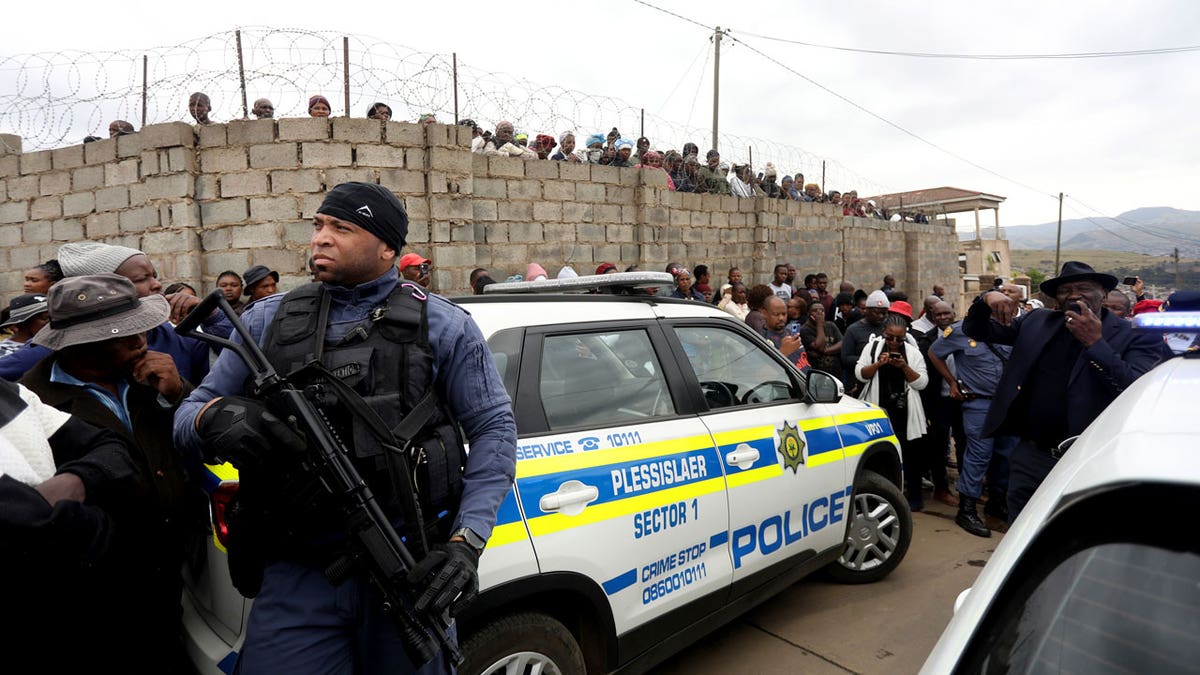
A wave of shock and grief has once again swept across South Africa following a brutal attack in Bekkersdal, a township situated approximately 40 kilometers (25 miles) southwest of Johannesburg, where at least 10 people were killed and another 10 wounded in a seemingly indiscriminate shooting. Police reported on Sunday that the motive behind this latest act of extreme violence remains unclear, plunging the community into fear and prompting renewed questions about the nation’s escalating crime rates. This incident marks the second mass shooting to rock the country within a single month, underscoring a deeply entrenched crisis of public safety.
According to Brigadier Brenda Muridili, police spokesperson for Gauteng province, initial reports indicate that "some victims were randomly shot in the streets by unknown gunmen." The chaotic nature of the attack, which occurred near a tavern or informal bar—a common social hub in South African townships—suggests a terrifying lack of specific targets, amplifying the community’s sense of vulnerability. All 10 wounded individuals were swiftly transported to local hospitals, their conditions yet to be fully disclosed, as authorities initiated a thorough investigation into the harrowing events.
Bekkersdal, an impoverished area nestled amidst some of South Africa’s historically rich gold mining regions, has long grappled with socio-economic challenges, including high unemployment, poverty, and inadequate infrastructure. Such conditions are often cited by criminologists and social commentators as fertile ground for crime and violence, creating a complex backdrop against which these tragic events unfold. The presence of informal bars, known as ‘shebeens,’ while serving as vital social spaces, can also become flashpoints for disputes and criminal activities, especially in areas with limited formal entertainment options and policing.
This latest massacre comes on the heels of another horrific incident on December 6, when gunmen stormed a hostel near the capital Pretoria, claiming the lives of a dozen people, including a three-year-old child. That shooting reportedly took place at a site illegally selling alcohol, drawing a disturbing parallel to the current incident’s proximity to a tavern. The recurrence of such large-scale violence within such a short timeframe has sent a chilling message across the nation, highlighting a systemic breakdown in law and order that many fear is spiraling out of control.
South Africa, a nation of 63 million people, is unfortunately notorious for its alarmingly high crime rate, consistently ranking among the countries with the highest murder rates globally. Statistics paint a grim picture, with an average of over 70 murders reported daily across the country. This pervasive violence is not monolithic; it stems from a confluence of historical, social, and economic factors. The legacy of apartheid, which enforced racial segregation and created vast socio-economic disparities, continues to manifest in deeply unequal communities where opportunities are scarce and desperation is rife.
Experts and community leaders frequently point to rampant unemployment, particularly among the youth, as a significant driver of crime. When legitimate avenues for economic advancement are blocked, individuals, particularly young men, can be drawn into illicit economies, including drug trafficking, gang activities, and violent crime. The proliferation of illegal firearms, often smuggled across borders or diverted from legal channels, further exacerbates the problem, enabling acts of violence with deadly efficiency. Gang violence, especially in urban and peri-urban areas, is another critical factor, with turf wars and retaliatory attacks often leading to widespread bloodshed, impacting innocent bystanders.
Moreover, the abuse of alcohol and drugs plays a substantial role in many violent incidents. The easy accessibility of alcohol, particularly in informal settings, can lower inhibitions and escalate minor disputes into fatal confrontations. The incidents in Bekkersdal and near Pretoria both highlight locations associated with alcohol consumption, suggesting a potential link between these environments and heightened risks of violence.
The police investigation into the Bekkersdal shooting is now a top priority for Gauteng authorities. Brigadier Muridili confirmed that crime scene experts have been deployed to gather forensic evidence, while detectives are canvassing the area for witnesses who might provide crucial information about the unknown assailants. The challenge in such investigations, particularly in close-knit but often distrustful communities, lies in encouraging residents to come forward, especially when fear of retaliation is prevalent. Authorities are appealing to anyone with information to assist them in bringing the perpetrators to justice, emphasizing the importance of community cooperation in solving these heinous crimes.
The double blow of these mass shootings within weeks has ignited public outrage and intensified calls for more decisive government action. Citizens are demanding greater police visibility, more effective intelligence gathering, and a more robust criminal justice system that ensures perpetrators are apprehended and prosecuted swiftly. There is also a growing clamor for long-term solutions that address the root causes of violence, including comprehensive socio-economic development programs, improved educational opportunities, and mental health support services, particularly in marginalized communities like Bekkersdal.
For the residents of Bekkersdal, the aftermath of the shooting is characterized by grief, fear, and a profound sense of insecurity. Funerals will soon follow, leaving families to mourn loved ones lost to senseless violence. The psychological scars on survivors and the broader community will undoubtedly linger, perpetuating a cycle of trauma. Community leaders are working to provide support and solace, but the pervasive nature of crime in their daily lives often leaves them feeling overwhelmed and disempowered.
The South African government, led by President Cyril Ramaphosa, faces immense pressure to demonstrate its commitment to tackling this national crisis. While various initiatives have been launched to combat crime, including specialized police units and community policing forums, the persistent high rates of violence suggest that current strategies may not be sufficient or are not being effectively implemented. The challenge is multi-faceted, requiring not only an enhanced law enforcement response but also a concerted effort across government departments, civil society, and the private sector to build safer, more equitable communities.
As the nation grapples with these successive tragedies, the incidents in Bekkersdal and Pretoria serve as stark reminders of the profound human cost of pervasive violence. They underscore the urgent need for South Africa to confront its deep-seated challenges, not just with reactive policing, but with proactive, holistic interventions that address the socio-economic disparities and historical injustices that continue to fuel the fires of crime. Until then, the shadow of violence will continue to loom large over the daily lives of millions, shattering peace and eroding hope in a nation striving for a brighter future.