West Virginia Governor Patrick Morrisey Discusses Government Shutdown, State Resilience, and Rural Health on "Face the Nation" (Nov 9, 2025)
On November 9, 2025, West Virginia Governor Patrick Morrisey, a prominent Republican, appeared on CBS News’ "Face the Nation with Margaret Brennan" to address the critical issues facing his state amidst an ongoing federal government shutdown. The interview, broadcast from Charleston, delved into the shutdown’s profound impact on West Virginia’s vulnerable population, the state’s proactive measures to mitigate federal inaction, and the broader healthcare landscape for its rural communities.
Brennan initiated the conversation by highlighting West Virginia’s severe socio-economic challenges, noting its status as one of the states with the highest poverty rates in the nation. With nearly 16% of its residents relying on the Supplemental Nutrition Assistance Program (SNAP), commonly known as food stamps – a program that, ironically, saw its very first pilot launch in West Virginia in the 1960s – the federal shutdown posed an immediate and dire threat. Brennan pressed Governor Morrisey on the state’s capacity to deliver aid to its rural citizens most in need.
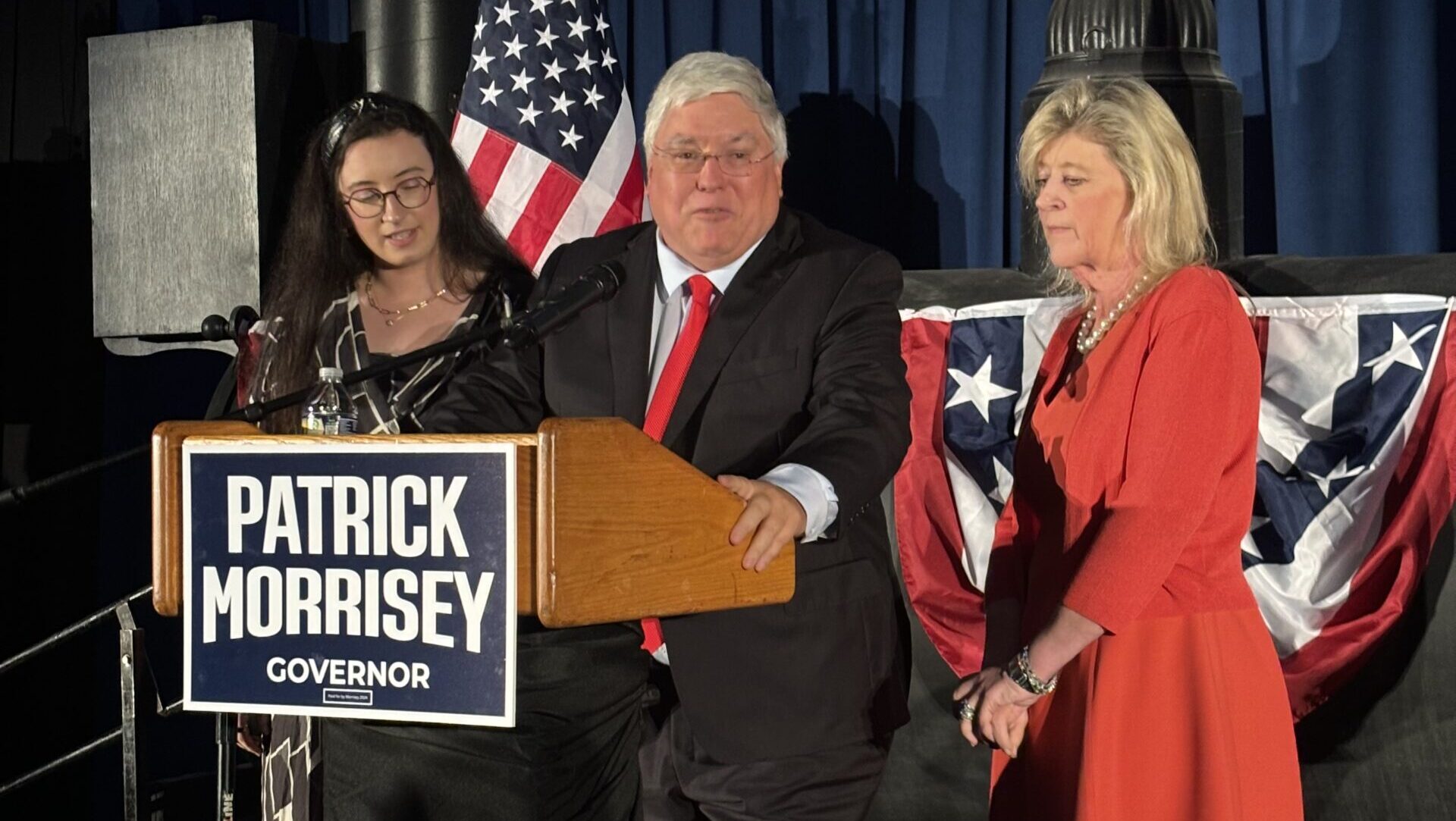
Before addressing the shutdown directly, Governor Morrisey took a moment to acknowledge a tragic event unfolding in his state. He conveyed his profound sympathy regarding a recent mining accident, stating, "We’ve had a mining accident, and we have teams down looking for a missing miner. I just want to say that our hearts and prayers go out to the family of that miner. We’re doing everything we can to locate that person." This somber note underscored the inherent dangers and tight-knit community spirit prevalent in West Virginia, momentarily shifting the focus from political gridlock to human tragedy and collective concern.
Transitioning back to the federal shutdown, Morrisey affirmed the state’s commitment to assisting its struggling population. He detailed immediate and robust actions taken by his administration. "At the very beginning, I started standing up for the federal workers, and we announced that, to address some of the concerns with food, we were going to send significant dollars to the food banks. By tomorrow, that’ll be up to $13 million." This substantial allocation underscored the state’s determination to fill the void left by federal program disruptions. Further demonstrating a proactive approach, Morrisey revealed, "I’ve activated the National Guard and we’re doing things to make sure that no one in West Virginia goes hungry." The deployment of the National Guard for logistical support and distribution highlighted the severity of the situation and the innovative measures the state was willing to undertake. He passionately stated, "Our people are hurting right now, and I’m doing everything I can to solve the problems while Washington bickers."
Morrisey did not shy away from assigning political blame for the shutdown. He squarely placed responsibility on the Democratic leadership, particularly Senator Chuck Schumer, asserting, "this shutdown could come to an end right away. It’s up to Chuck Schumer or just having six more Democrats step across the line. There’s been a clean CR on the table available for some time. People should take advantage of that, and let’s get the government reopened and then we can go about the business of fixing the many other problems facing our country." A "clean CR" (Continuing Resolution) refers to a legislative measure that would simply fund the government at existing levels for a short period without any additional policy riders or contentious amendments, a solution Morrisey argued was being unnecessarily complicated by Democrats.
Brennan then raised a critical point concerning federal reimbursement for state-fronted funds. She referenced Maryland Governor Moore’s concern that his state might be "punished" for providing assistance during the shutdown and questioned if West Virginia had received a similar message. Morrisey, however, presented a different experience, emphasizing his administration’s positive working relationship with the Trump White House. "No, well, first of all, I want to emphasize the Trump administration has been a great partner to work with throughout the past year in terms of the economic progress that we’re making here in West Virginia," he stated. He pointed to earlier successes, such as being "the first person to reach out to the federal government, so we had our national parks reopened," as evidence of this cooperation. He reiterated, "We’ve been in very close contact with the Trump administration, and they’ve been very cooperative. Look, I think they know, and everyone’s frustrated, that you’re six votes short. These Democrats are saying no to reopening the government. It’s a Schumer shutdown. I think President Trump is bending over backwards to be helpful, and I’m excited about the things he’s doing in terms of how he’s handling this and the broader economic issues at large." This response suggested a selective federal approach to state assistance, or perhaps a difference in how Republican-led states were perceived and engaged by the Trump administration during the crisis.
The discussion then shifted to President Trump’s own controversial remarks regarding the SNAP program. Brennan played a clip where President Trump asserted, "Largely, when you talk about SNAP, you’re talking about largely Democrats. But I’m President, I want to help everybody. I want to help Democrats and Republicans. But when you talking about SNAP, if you look, it’s largely Democrats. They’re hurting their own people." This statement was particularly pointed given that 70% of West Virginians voted for Trump in the last election, and a significant portion of the state’s population relies on SNAP. Brennan asked Morrisey directly if he had made the White House aware of the "pain from the food SNAP, the food program disruption, specifically."
Morrisey navigated this potentially awkward political terrain by reiterating the strong collaboration with the White House. "Yeah, so we’ve been working closely with the White House, and I think they know they’ve been very supportive of a lot of the efforts that we’re taking to make sure that people don’t get hungry. That’s the ultimate goal. We have to make sure we’re protecting our people." While acknowledging West Virginia’s high SNAP enrollment – "Margaret, you’re right. We have 270,000 plus people on SNAP" – he quickly redirected blame back to the shutdown’s origins: "once again, there’s one reason why they’re not getting the resources. It’s because people are insisting to add all these new pieces on top of just a bill to keep the government open." He concluded by reaffirming the overall positive relationship, citing support for "food issues," "energy jobs," and the recently proposed "President Trump’s Rural Health Transformation bill to put resources up front to save public expenditures at the back end."
This "Rural Health Transformation bill" became the next focal point. West Virginia grapples with one of the highest rates of government insurance enrollment in the country, and its rural hospitals face chronic financial instability. Brennan pointed out that while the state stood to gain $100 million annually for five years from this new federal program, the West Virginia Hospital Association had previously warned that "your hospitals are going to lose more than a billion dollars per year because of this latest Big Beautiful Bill Republicans passed." This created a perceived contradiction: a new infusion of cash against a backdrop of potentially devastating prior cuts.
Governor Morrisey enthusiastically defended the new initiative, framing it as a common-sense approach aligned with the Trump administration’s vision, also championed by figures like RFK (presumably Robert F. Kennedy Jr., a prominent health advocate) and Dr. Oz. He invoked the adage, "a ounce of prevention is worth a pound of cure," explaining that the program aimed to "invest the single largest amount of money in improving rural health." For a deeply rural state like West Virginia, these resources were crucial to "invest in our people, to invest in our hospitals, our providers and the technology that actually can move the needle in terms of improving health care outcomes up front." He emphasized the focus on "Attacking obesity and COPD and substance use disorder."
Morrisey’s argument for offsetting the feared billion-dollar shortfall from previous legislation rested on this preventative model. He asserted, "if we apply the resources the right way, I don’t think we’re going to have the diminution of public expenditures at the back end." The logic was that by investing proactively in community health and preventative care, the long-term costs associated with treating advanced chronic diseases and substance abuse would decrease, ultimately saving public funds despite initial upfront investments. He again drew a sharp contrast, stating, "This is the common sense approach we’re seeing from the Trump administration that we’re not seeing from Schumer and Democrats in Congress."
As the interview concluded, Governor Morrisey reiterated his administration’s commitment to navigating the complexities of federal dysfunction while tirelessly working to improve the lives of West Virginians. His appearance underscored the intricate dance between state and federal governance, especially when partisan gridlock in Washington directly impacts the most vulnerable populations in states like West Virginia. The governor presented a narrative of state resilience, strategic partnership with the White House, and a clear political stance on the ongoing federal shutdown and healthcare reform efforts.