At least 37 dead after passenger bus falls into ravine in Peru
A devastating passenger bus accident in southern Peru early Wednesday claimed the lives of at least 37 people and left 13 injured, after the vehicle plummeted more than 650 feet (approximately 200 meters) into a deep ravine following a collision with a pickup truck. The tragic incident unfolded on a treacherous stretch of road in the Arequipa region, casting a somber shadow over the nation known for its challenging topography and unfortunately, frequent road accidents.
The ill-fated bus, carrying a significant number of passengers, was en route from the mining town of Chala to the bustling city of Arequipa, a major economic hub in southern Peru. According to Walther Oporto, the health manager for the Arequipa region, the collision occurred on a winding curve. The impact with the pickup truck caused the bus to lose control, veering off the road and plunging into the abyss, eventually coming to rest on the banks of the Ocoña river. The sheer drop presented immense challenges for rescue workers battling against the darkness of the early morning hours and the difficult, remote terrain.
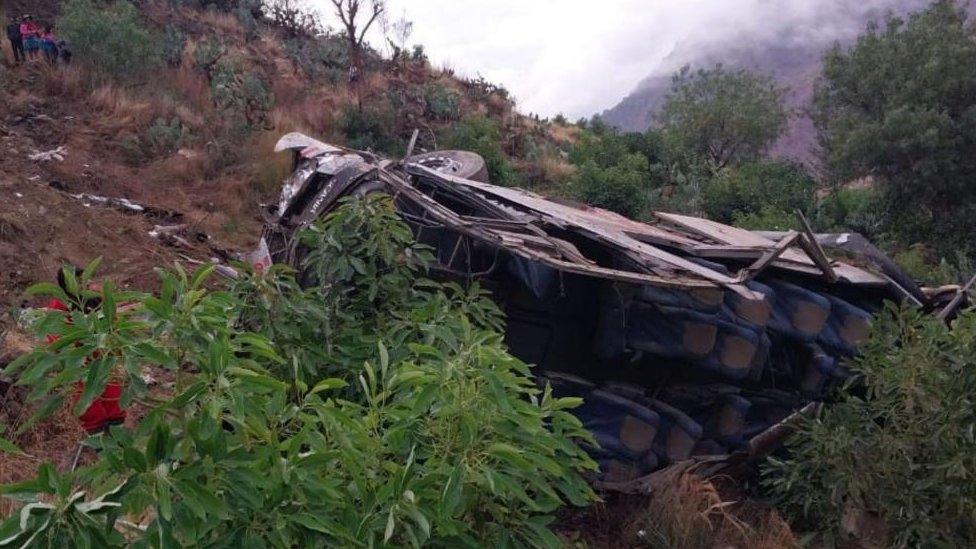
Emergency services, including police, firefighters, and medical personnel, were immediately dispatched to the remote site. The scale of the disaster quickly became apparent, with bodies strewn across the rugged landscape and the mangled remains of the bus bearing testament to the violence of the fall. Rescuers worked tirelessly, navigating the precarious slopes to reach survivors and recover the deceased. Many of the injured were in critical condition, suffering from severe trauma, fractures, and other life-threatening wounds. They were swiftly transported to nearby hospitals in Arequipa and other regional medical facilities, where doctors and nurses were on standby to receive them. The coordination of medical efforts in such remote areas often proves challenging, demanding significant resources and rapid deployment.
Local leaders were quick to express their profound sorrow and offer condolences to the families of the victims. In a statement, they voiced prayers for those who lost their lives and wished a swift recovery for the injured. This sentiment, while heartfelt, also highlights the recurring grief that grips Peruvian communities in the wake of such tragedies. Authorities have launched a comprehensive investigation into the precise circumstances leading to the crash, seeking to determine factors such as driver error, vehicle malfunction, road conditions, and adherence to safety regulations.
This latest catastrophe underscores a persistent and deadly problem on Peru’s roads. The country’s rugged Andean geography, characterized by steep mountains, deep ravines, and often poorly maintained or narrow roads, creates inherently hazardous driving conditions. While breathtakingly scenic, these routes demand the utmost caution and robust infrastructure, which is often lacking. Contributing factors to such accidents frequently include driver fatigue, speeding, inadequate vehicle maintenance, a lack of strict enforcement of traffic laws, and sometimes, the use of older, less roadworthy vehicles, especially on inter-provincial routes.
The memory of the devastating 2018 "Devil’s Curve" tragedy still looms large in Peru’s collective consciousness. In one of the deadliest vehicle accidents in the nation’s history, more than 50 people perished when their bus tumbled over a cliff along a notorious narrow stretch of highway near the Pacific Coast, famously dubbed "Devil’s Curve" (Pasamayo). That incident sparked national outrage and led to significant policy changes, including a government ban on all buses carrying passengers across that specific hazardous section of the highway. The move, while crucial, was a stark reminder of the extreme measures sometimes required to curb preventable deaths.
Despite such interventions, fatal bus accidents remain alarmingly common. This incident follows a disturbing pattern of similar tragedies in the recent past. Just last August, ten people perished when a bus overturned on a highway in an unspecified location. In July of the previous year, another bus traveling from the capital, Lima, to Peru’s Amazon region overturned, leaving at least 18 people dead and 48 injured. Earlier this January, at least six people died and 32 were injured when a bus fell into a river, further illustrating the pervasive nature of these incidents across different regions and terrains.
The grim statistic of approximately 3,173 traffic accident deaths in Peru in 2024, as reported by the official Death Information System, paints a stark picture of the ongoing crisis. This figure is not merely a number; it represents thousands of shattered families, profound economic losses, and a significant public health and safety emergency that demands sustained attention and comprehensive solutions. For a nation of Peru’s population size, this death toll is exceptionally high, indicating systemic issues within its transportation sector and road safety framework.
Behind every statistic are shattered families and communities grappling with unimaginable loss. The emotional toll extends far beyond the immediate victims, impacting relatives, friends, and the broader social fabric. The communities from which the passengers hailed, particularly Chala and Arequipa, will undoubtedly mourn deeply, as many of those on board were likely traveling for work, family visits, or other essential purposes. The economic impact on these families, particularly if the deceased were primary breadwinners, can be devastating and long-lasting.
Experts and public safety advocates consistently call for more stringent regulations and robust enforcement mechanisms. Improvements in road infrastructure, enhanced driver training programs that emphasize defensive driving and fatigue management, and rigorous vehicle inspections are critical components of any effective strategy. Furthermore, addressing corruption within licensing and inspection processes, and ensuring that transport companies adhere to strict safety protocols, are paramount. Public awareness campaigns regarding passenger rights and responsibilities, and the importance of reporting unsafe driving practices, could also play a role.
The tragedy serves as a potent reminder of the urgent need for a multi-faceted approach involving government agencies, transport companies, civil society, and individual citizens. As rescue and recovery operations continue, and investigations delve deeper into the exact circumstances of this latest disaster, Peru once again confronts the profound and recurring challenge of road safety. The nation mourns its dead, while the cry for lasting change grows louder, echoing across the treacherous mountain passes and deep ravines that continue to claim too many lives.