Poland says Russian secret services likely behind railway sabotage attack.
In a dramatic revelation that has sent ripples of concern across Europe, Polish Prime Minister Donald Tusk announced on Tuesday that Russian secret services are likely behind a recent railway sabotage attack on Polish soil. Speaking to the Sejm, the lower house of the Polish parliament, Tusk disclosed that two Ukrainian citizens, identified as long-term collaborators with Russian intelligence, are suspected of carrying out the explosive attack over the past weekend. While their identities are known to authorities, Tusk stated they could not be publicly revealed due to ongoing investigations, noting that the pair had already fled Poland.
The incident, described by Tusk as an "unprecedented act of sabotage," targeted a critical rail line linking Poland’s capital, Warsaw, to the border with Ukraine. This particular railway is a vital artery for the transport of humanitarian aid, military supplies, and other crucial assistance flowing into Ukraine, making its disruption a strategic blow aimed squarely at undermining support for Kyiv. Polish officials were quick to emphasize the line’s significance, highlighting the direct implications for the ongoing conflict in Ukraine.
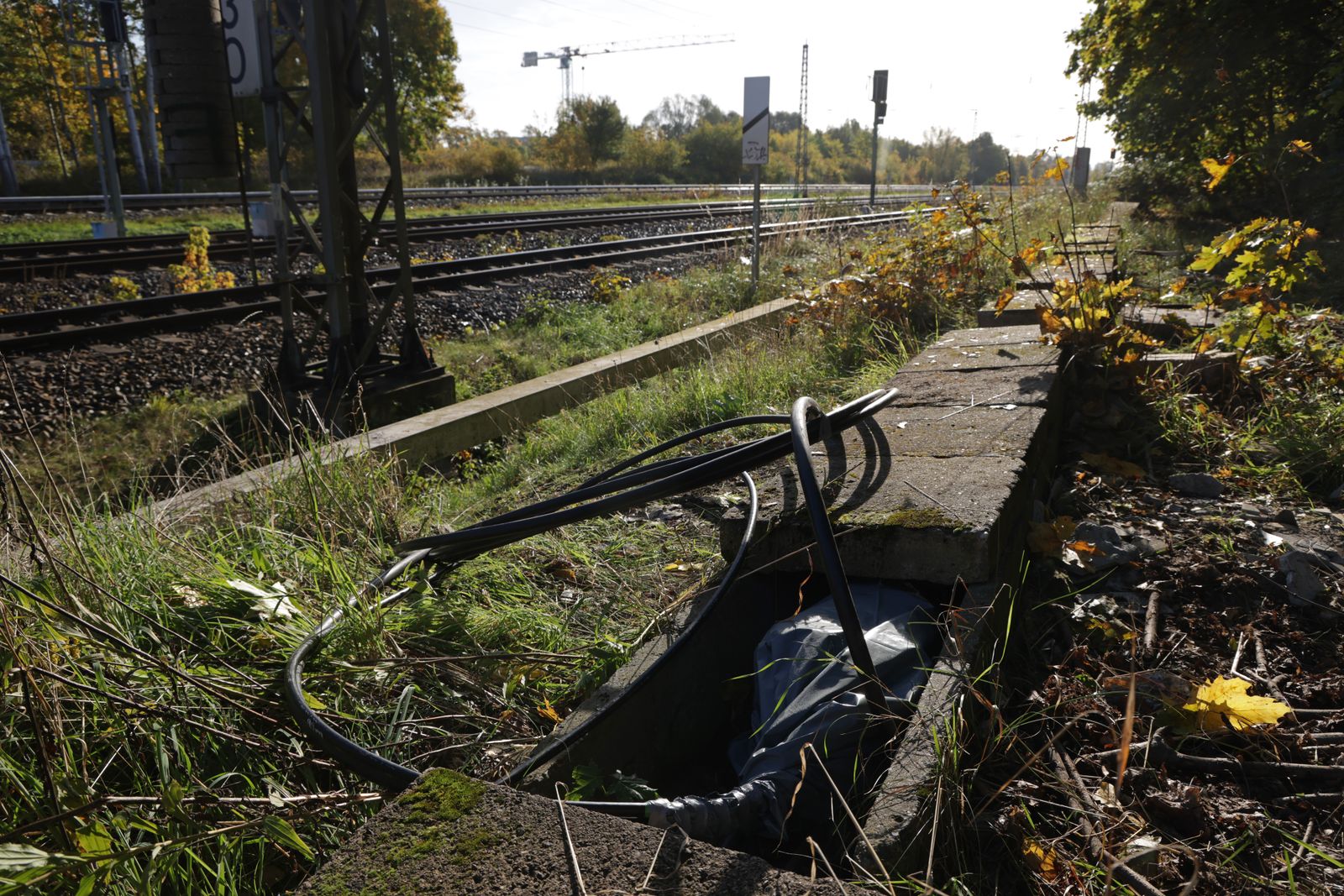
The sabotage involved two distinct, yet seemingly coordinated, incidents. The primary event saw an explosion damaging tracks near the village of Mika, approximately 60 miles southeast of Warsaw. This blast, according to Tusk’s earlier statement on Monday, was "most likely intended to blow up the train." Fortunately, no one was hurt, but trains carrying passengers were forced to stop, causing significant disruption. In a separate but related incident, power lines over another segment of the same rail line further south were also destroyed in the area of Puławy, about 30 miles from Lublin. Both locations experienced immediate operational halts, underscoring the severity of the attacks, though damage at both sites was swiftly repaired by emergency crews.
The gravity of the situation prompted an immediate and robust response from Polish authorities. Earlier on Tuesday, a high-level meeting of the governmental National Security Committee convened, bringing together military commanders, heads of intelligence services, and a representative of the president. This assembly of top security officials underscored the urgent and serious nature of the threat. Following the meeting, the defense minister announced that army patrols had been dispatched to conduct safety checks on railways and other key infrastructure in the eastern part of the country, a clear indication of heightened vigilance and a recognition of the potential for further subversive activities.
Polish prosecutors have launched a comprehensive investigation into "acts of sabotage of a terrorist nature" directly aimed at railway infrastructure. Their statement meticulously detailed the charges, emphasizing that these acts were committed "for the benefit of foreign intelligence." The legal framework applied reflects the profound danger posed by such actions, noting that they "brought about an immediate danger of a land traffic disaster, threatening the lives and health of many people and property on a large scale." The invocation of terrorism charges and foreign intelligence involvement elevates these incidents far beyond simple vandalism, placing them firmly in the realm of state-sponsored aggression.
This railway sabotage is not an isolated event but fits into a broader pattern of what many European and NATO officials are increasingly labeling as "hybrid warfare" tactics employed by Moscow. For months, a rising number of mysterious drone sightings near airports and military bases has fueled concern across Europe over alleged Russian incursions into NATO airspace. These incidents, often characterized by their deniability and ambiguous origin, are seen as deliberate probes and acts of psychological warfare designed to test defenses, sow discord, and destabilize critical infrastructure without triggering a direct military response. Some of America’s allies have openly stated that the continent is currently operating in a "gray zone" between peace and war, with Moscow accused of consistently escalating these unconventional forms of conflict.
Poland, a frontline NATO state and a crucial logistical hub for aid to Ukraine, has been particularly susceptible to these provocations. In September, the country reported scrambling warplanes to intercept and shoot down multiple Russian drones that had entered its airspace during Moscow’s latest attacks on Ukraine. Polish officials unequivocally labeled that incident an "act of aggression," highlighting a persistent and escalating threat along its eastern border. The current railway sabotage, therefore, is perceived as a logical extension of these tactics, moving beyond airspace violations to direct physical attacks on vital national infrastructure.
The strategic implications of targeting Poland’s railway network are profound. Russia’s clear objective would be to disrupt the flow of Western military and humanitarian aid to Ukraine, thereby weakening Kyiv’s defense capabilities and prolonging the conflict on terms more favorable to Moscow. By demonstrating the vulnerability of supply lines, Russia aims to create a chilling effect among Ukraine’s allies, forcing them to divert resources to domestic security and potentially reconsider the risks associated with providing further assistance.
Moreover, these acts serve as a test of NATO’s resolve and security apparatus. While falling below the threshold of a direct armed attack that would invoke Article 5 of the NATO treaty, such sabotage nevertheless constitutes a hostile act against a member state. It presents a complex challenge for the alliance: how to respond effectively to state-sponsored terrorism and hybrid attacks that undermine national security without escalating to open conflict. The identification of proxy actors – Ukrainian citizens working for Russia – adds another layer of complexity, providing Moscow with a degree of plausible deniability, a hallmark of hybrid warfare.
The long-term collaboration of the suspects with Russian secret services suggests a deeply entrenched intelligence operation within Poland, aimed at identifying vulnerabilities and recruiting assets. This aspect of the investigation will likely lead to intensified counter-intelligence efforts, intelligence sharing with allies, and a re-evaluation of security protocols across critical infrastructure. The psychological impact on Polish citizens also cannot be underestimated; such incidents can foster a sense of insecurity and vulnerability, potentially eroding public trust in national security.
In response to these escalating threats, Poland is expected to further enhance its domestic security measures, beyond the immediate deployment of army patrols. This could include increased surveillance, tighter border controls, more rigorous vetting procedures, and a strengthening of cyber defenses, as hybrid warfare often combines physical and digital attacks. Furthermore, the incident will undoubtedly fuel discussions within NATO regarding a coordinated response to such "gray zone" tactics, potentially leading to new doctrines or frameworks for collective defense against non-conventional aggression.
The ongoing investigation will aim to uncover the full extent of the Russian intelligence network involved, identify any remaining assets within Poland, and understand the precise methods and targets of their operations. While the immediate suspects have fled, the information gleaned from their activities and the nature of the attack will be invaluable in hardening Poland’s defenses and contributing to a broader understanding of Russia’s evolving aggressive posture against its Western neighbors. The Polish government’s transparent and firm response signals its determination not to be intimidated by such acts of sabotage, reinforcing its commitment to supporting Ukraine and safeguarding its own national security in the face of persistent foreign aggression. The events of this past weekend serve as a stark reminder that the conflict in Ukraine has spillover effects far beyond its borders, continuously challenging the peace and stability of the European continent.