G20 summit in South Africa adopts declaration despite U.S. boycott and opposition
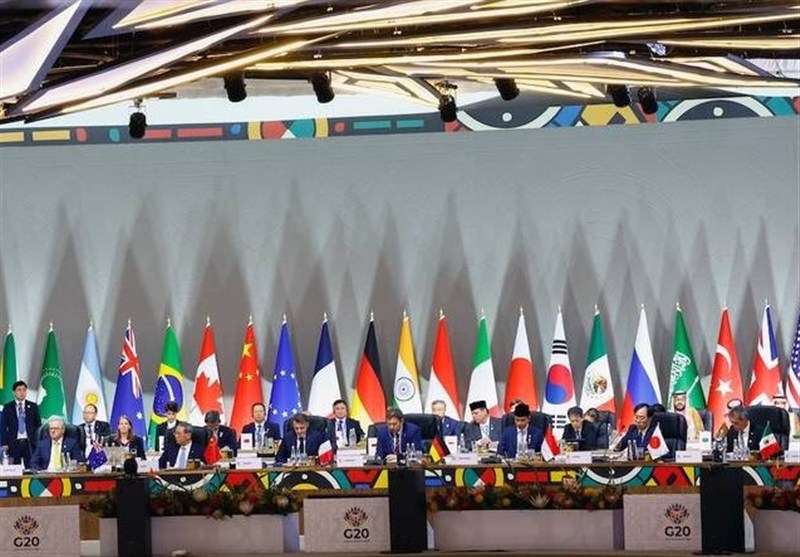
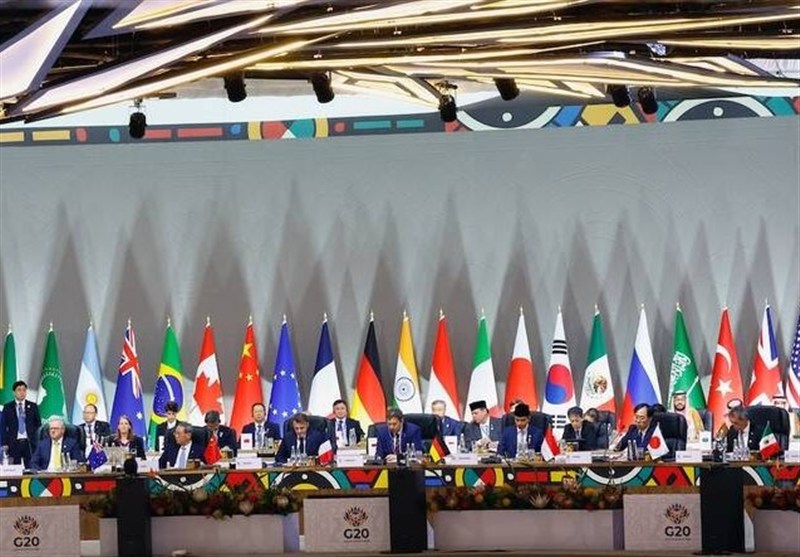
In an extraordinary turn of events that underscored the growing geopolitical fissures and a bold assertion of agency by the Global South, leaders from the Group of 20 (G20) nations convened in Johannesburg, South Africa, on Saturday, November 22, 2025, and adopted a comprehensive declaration at the very outset of their summit. This unprecedented move defied tradition and, more significantly, directly challenged the United States, which had opted to boycott the high-stakes talks amidst a deepening diplomatic rift with the host nation. The early adoption of the 122-point declaration was hailed by South Africa as a monumental victory for the African continent and a testament to its resolve against external pressures.
Traditionally, the G20 leaders’ declaration, a consensus document outlining shared commitments and policy directions, is the culmination of intense negotiations and is typically adopted at the very end of the two-day summit. However, South African President Cyril Ramaphosa’s government, determined to steer the narrative and ensure its priorities were enshrined, spearheaded the early adoption. Vincent Magwenya, President Ramaphosa’s spokesperson, confirmed that the declaration was unanimously adopted by the participating members, a statement that was later nuanced by Argentina’s Foreign Minister Pablo Quirno, who clarified that his country, in solidarity with its ally President Trump, did not endorse the document and had not sent its head of state. This subtle yet significant crack in the reported unanimity highlighted the lingering tensions.
The declaration itself was a robust appeal for greater global action on issues predominantly affecting developing countries. It specifically urged concerted efforts to combat climate-related disasters, which disproportionately impact vulnerable nations, and called for tangible solutions to the crippling sovereign debt burdens that stifle economic growth and development in many parts of the world. By prioritizing these concerns, South Africa leveraged its G20 presidency to amplify the voices and urgent needs of the Global South, aiming to foster a more equitable global economic order.
The shadow of the U.S. boycott loomed large over the summit. President Donald Trump, in a controversial decision, had ordered the American delegation to abstain from the Johannesburg gathering. His administration’s stated reasons centered on claims that South Africa was pursuing "racist anti-white policies" and persecuting its Afrikaner white minority. These allegations, which resonated with a segment of Trump’s domestic political base, were vehemently rejected by Pretoria and widely seen as a pretext for a broader geopolitical disengagement. The U.S. also made no secret of its opposition to South Africa’s ambitious G20 agenda, particularly its strong emphasis on climate change action and confronting global inequality – priorities that often diverge from the "America First" approach of the Trump administration.
South African officials revealed that the U.S. had exerted considerable pressure on them not to adopt a leaders’ declaration in the absence of an American delegation, or at least to dilute it into a mere unilateral statement from the host country. President Ramaphosa, however, stood firm. Earlier in the week, he had publicly declared, "we will not be bullied," a statement that encapsulated the host nation’s defiant spirit. This act of adopting the declaration early and unanimously (barring Argentina) was a direct rebuke to U.S. pressure and a powerful assertion of South Africa’s sovereign right to shape the summit’s outcomes.
The Johannesburg summit was strategically located near Soweto, a township steeped in the history of Nelson Mandela and the anti-apartheid struggle, lending symbolic weight to South Africa’s agenda of combating inequality. President Ramaphosa, in his opening remarks, articulated a clear vision: "consensus has emerged" on the need to address long-standing problems plaguing the developing world. The incident where Ramaphosa was mistakenly broadcast confirming the early adoption – "OK. I’m told that the cameras are still on. They should be off." – offered a rare, candid glimpse into the strategic maneuvering behind the scenes.
South Africa, holding the rotating G20 presidency, had meticulously crafted an agenda designed to push for meaningful reforms and greater support for poorer nations. Its priorities included:
- Climate-Related Disaster Recovery: Advocating for increased financial and technical assistance to help developing countries recover from the escalating frequency and intensity of climate-induced catastrophes, such as droughts, floods, and superstorms, to which they are particularly vulnerable despite contributing least to the problem.
- Foreign Debt Burden Reduction: Calling for innovative mechanisms and greater global cooperation to alleviate the crippling debt burdens faced by many low-income countries, often trapped in cycles of borrowing to service existing debts, hindering their ability to invest in essential services and sustainable development.
- Transition to Green Energy Sources: Promoting equitable pathways for developing nations to transition from fossil fuels to renewable energy, recognizing their unique challenges in terms of infrastructure, technology transfer, and financial resources, and emphasizing the need for robust international support.
- Harnessing Critical Mineral Wealth: Encouraging fair and sustainable exploitation of critical minerals, abundant in many African nations, ensuring that host countries benefit significantly from their natural resources through value addition, local processing, and equitable revenue sharing, rather than merely exporting raw materials.
United Nations Secretary-General António Guterres, present at the summit, expressed cautious optimism regarding the G20’s potential to prioritize developing world countries. "We’ll see," he remarked, "But I think South Africa has done its part in putting those things clearly upon the table." His statement underscored the significant effort by South Africa to elevate these critical issues onto the global stage.
The absence of the world’s largest economy, the United States, undeniably cast a pall over the proceedings, raising questions about the efficacy and legitimacy of a multilateral body without a key member. However, other leaders, like French President Emmanuel Macron, while regretting Mr. Trump’s absence, were quick to emphasize the necessity of moving forward. "I do regret it," Macron stated, "but it should not block us. Our duty is to be present, engage and work all together because we have so many challenges." This sentiment reflected a broader determination among many G20 members to uphold the principles of multilateralism despite internal divisions.
The G20, technically a group of 21 members comprising 19 individual nations, the European Union, and the African Union (which had recently been admitted as a full member), was founded in 1999 as a crucial bridge between advanced and emerging economies, primarily to address global financial crises. While it often operates in the shadow of the more exclusive Group of Seven (G7) richest democracies, its collective economic might is undeniable: G20 members represent approximately 85% of the world’s economy, 75% of international trade, and over half the global population. Its fundamental operating principle, however, is consensus, which the events in Johannesburg demonstrated is becoming increasingly challenging to achieve in a fractured geopolitical landscape.
The diplomatic fallout from the boycott extended to the very end of the summit. As the current G20 presidency, South Africa was expected to formally hand over the reins to the next host, the United States. However, the White House announced that a representative from the U.S. Embassy in South Africa would attend the formal handover ceremony, rather than a high-ranking official or even the President himself. South Africa viewed this as a deliberate insult. Chrispin Phiri, spokesperson for the South African Foreign Ministry, unequivocally stated, "We have communicated to the American government that the president will not be handing over to a junior official of the embassy." This refusal to engage in the symbolic transfer of power with a junior diplomat underscored the depth of the diplomatic chasm and foreshadowed a potentially contentious U.S. presidency of the G20.
In conclusion, the G20 summit in Johannesburg will be remembered as a pivotal moment for global governance. It was a summit defined by defiance, particularly South Africa’s bold move to adopt a declaration early and its refusal to be swayed by external pressure. It highlighted the growing assertiveness of the Global South in shaping the international agenda and challenged the traditional power dynamics within multilateral institutions. While the U.S. boycott undeniably underscored the fragility of consensus and the strains on multilateralism, the determination of other G20 members to push forward, coupled with South Africa’s resolute leadership, ensured that the summit delivered a clear message: the world’s challenges demand collective action, even when key players opt to stand aside. The contentious handover ceremony, or lack thereof, further cemented the image of a G20 grappling with internal divisions, yet forging ahead in a complex and evolving global order.