U.S. ending deportation protections for immigrants from war-torn Myanmar
In a significant policy shift that reverberated through immigrant communities and humanitarian organizations, the Trump administration on Monday announced its decision to terminate the Temporary Protected Status (TPS) immigration program for nearly 4,000 immigrants hailing from Myanmar. This Southeast Asian nation has been engulfed in a devastating civil war and profound political instability for several years, making the U.S. government’s move a contentious and deeply impactful one for those affected. The announcement, delivered on November 24, 2025, by CBS News, underscores a consistent pattern in the administration’s approach to immigration, prioritizing enforcement and a more restrictive interpretation of humanitarian policies.
This latest decree marks another chapter in President Trump’s administration’s concerted effort to scale back humanitarian immigration programs across the board. The administration has repeatedly articulated its belief that such programs, despite their noble intentions, have been exploited by what it terms "bad actors" and have been extended far beyond their "temporary" design. A central tenet of their argument is that TPS, in some instances, inadvertently encourages irregular immigration, as some beneficiaries may have initially entered the U.S. without authorization. These rationales underpin a broader strategy to reassert national sovereignty over immigration policies and to limit pathways for non-economic migration.
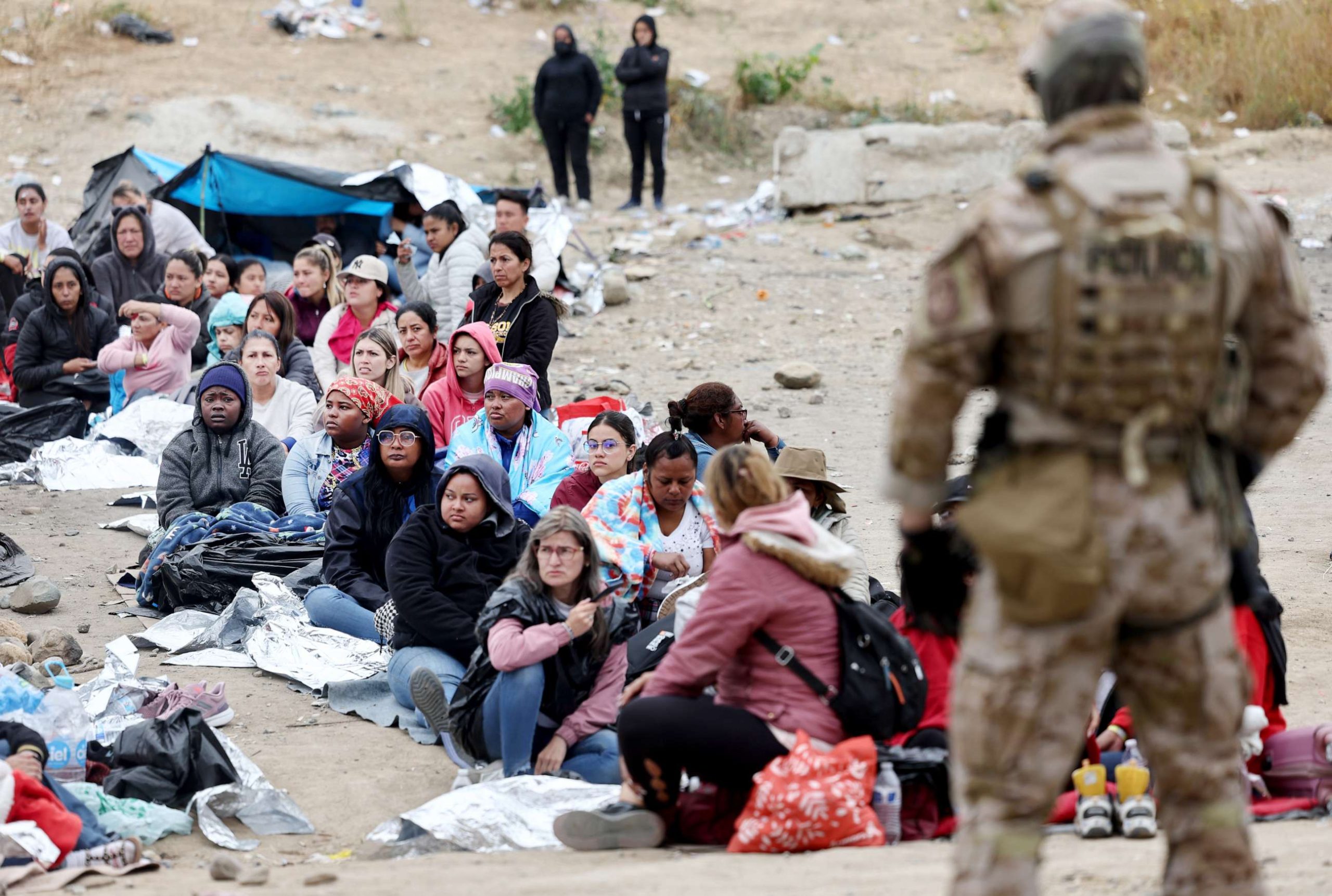
The implications of this policy are vast and immediate for the 3,969 individuals currently enrolled in the Myanmar TPS program. Unless a court intervenes to block the termination, these individuals will lose their legal status and work permits, making them eligible for arrest and deportation once the program expires in late January. This looming deadline creates immense anxiety and uncertainty, forcing families to confront the grim prospect of either returning to a country mired in conflict or living clandestinely in the United States.
The decision regarding Myanmar is not an isolated incident but rather part of a sweeping campaign by the Trump administration to revoke TPS protections for hundreds of thousands of migrants from various nations. This aggressive stance has already seen the removal of protections for individuals from Afghanistan, Cameroon, Haiti, Honduras, Nepal, Nicaragua, Syria, Sudan, and Venezuela. Pro-immigrant advocates have vociferously condemned this campaign, labeling it "the largest de-documentation effort in modern U.S. history." They argue that such actions not only uproot established communities and destabilize families but also contravene humanitarian principles by compelling individuals to return to unsafe conditions.
To fully grasp the magnitude of this decision, it is essential to understand the Temporary Protected Status program itself. Created by the U.S. Congress in 1990, TPS was designed as a crucial safety net, allowing both Democratic and Republican administrations to grant temporary work permits and protection from deportation to immigrants from countries experiencing severe crises. These crises typically include armed conflict, widespread environmental disasters, or other extraordinary and temporary conditions that would make a safe return to their home country impossible or exceptionally dangerous. The program provides a vital lifeline, enabling individuals to live and work legally in the U.S. while their home countries recover. Notably, the program saw significant expansion under former President Joe Biden, reflecting a more humanitarian-focused approach to global crises and displacement.
The Trump administration’s justification for ending Myanmar’s TPS status hinges on an assessment that stands in stark contrast to the grim reality reported by international bodies and humanitarian organizations. While the Department of Homeland Security (DHS) acknowledged that Myanmar "continues to face humanitarian challenges," its official notice, signed by Secretary of Homeland Security Kristi Noem, argued that the termination was warranted due to "improvements" in "governance and stability" within the country. The DHS further contended that continuing the TPS policy for Myanmar was "at odds with national U.S. interests," citing concerns about the ability to properly vet individuals from Myanmar, the risk of visa overstays, and the fact that a number of existing TPS holders from that country were reportedly subject to national security or immigration fraud investigations.
However, a closer examination of the situation in Myanmar paints a dramatically different picture. Since the military staged a coup in February 2021, overthrowing the democratically elected government, Myanmar has been plunged into a deepening spiral of armed conflict, political repression, and economic collapse. The military junta, known as the Tatmadaw, has faced widespread resistance from various armed militias, collectively known as People’s Defense Forces (PDFs), as well as long-standing ethnic armed organizations. This has led to a nationwide civil war characterized by intense fighting, aerial bombardments, and scorched-earth tactics.
The humanitarian cost of this conflict has been catastrophic. The United Nations reported earlier this year that the military had killed approximately 6,500 civilians as of March, a figure that continues to climb. Beyond direct fatalities, the violence has forcibly displaced more than 3.5 million people, creating an internal displacement crisis of unprecedented scale. These displaced populations often lack access to basic necessities such as food, water, shelter, and medical care, exacerbating an already dire situation. Hospitals and schools have been targeted, and humanitarian aid access is severely restricted by the junta, further compounding the suffering.
Moreover, Myanmar has a long and documented history of persecuting minority groups, a grim reality that predates the 2021 coup and has only intensified since. The systematic violence against the Rohingya Muslim community, which the UN and many international bodies have described as genocide, serves as a stark reminder of the military’s brutality and its disregard for human rights. Other ethnic minorities also face discrimination and violence, contributing to a landscape of pervasive insecurity and fear. To suggest "improvements" in "governance and stability" in such a context is seen by many as a severe misrepresentation of facts on the ground. International observers, human rights organizations, and countless reports continue to highlight the escalating violence, widespread human rights abuses, and the lack of any credible pathway to peace or democratic governance.
For the nearly 4,000 Myanmar TPS holders in the U.S., the termination of their protected status carries profound personal and practical implications. Many have built lives, established careers, and raised families in the United States over several years, if not decades. They have contributed to the American economy, paid taxes, and integrated into their communities. The abrupt removal of their legal status means losing their jobs, their ability to support their families, and the stability they have worked hard to achieve. The prospect of returning to a war-torn country, where their lives and the lives of their loved ones could be at immediate risk, is a terrifying one. This situation often forces families to make impossible choices, potentially separating parents from children or scattering relatives across continents.
Pro-immigrant advocates are expected to mount significant legal challenges to the administration’s decision, as they have successfully done in the past for other TPS terminations. They will likely argue that the DHS’s assessment of "improvements" in Myanmar is arbitrary and capricious, failing to account for the clear and present dangers faced by those returning. These legal battles, while offering a glimmer of hope, are often protracted and emotionally draining for those involved, prolonging the period of uncertainty and fear.
The broader debate surrounding TPS underscores a fundamental tension in U.S. immigration policy: how to balance national security and enforcement concerns with humanitarian obligations and the realities of global crises. While the administration emphasizes the "temporary" nature of the program and concerns about national interests, advocates stress the moral imperative to protect vulnerable populations and the economic and social contributions of immigrants. The termination of TPS for Myanmar, therefore, is not merely a bureaucratic decision; it is a policy with far-reaching human consequences, highlighting the complex interplay between geopolitics, national security, and the lives of thousands of individuals caught in the crosscurrents of international events and domestic policy shifts. As the late January deadline approaches, the fate of nearly 4,000 Myanmar immigrants hangs in the balance, a stark reminder of the ongoing debate over America’s role in humanitarian crises and its treatment of those seeking refuge within its borders.