Pope Leo XIV celebrates the power of cinema with star-studded Vatican audience
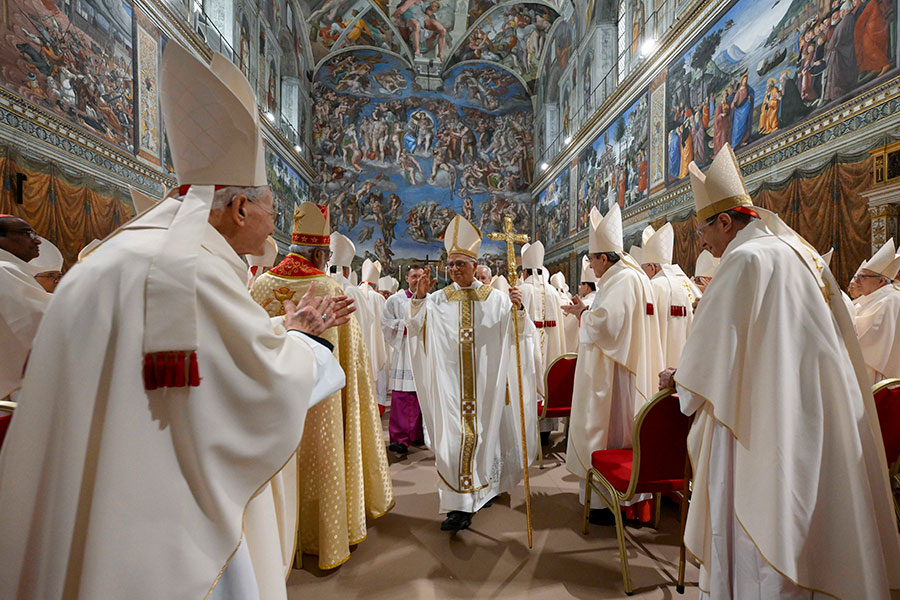
The venerable halls of the Vatican City, typically reserved for matters of profound theological import, vibrated with a different kind of energy on Saturday as Pope Leo XIV hosted an unprecedented gathering of Hollywood’s elite. In a remarkable convergence of faith and film, dozens of cinema’s most revered figures, including Academy Award winner Cate Blanchett, visionary director Spike Lee, and international icon Monica Bellucci, convened for a special audience celebrating the enduring power of motion pictures. This highly anticipated event, meticulously organized by the Vatican’s culture ministry, unfolded within a magnificently frescoed Vatican audience hall, underscoring the Holy See’s renewed commitment to engaging with contemporary artistic expression.
Pope Leo XIV, the first U.S.-born pontiff, delivered a deeply resonant address, calling upon the assembled artists to wield their creative talents as instruments of inclusion. He urged them to amplify the voices of the marginalized, to shed light on untold stories, and to challenge societal norms through the universal language of film. His words painted a vivid picture of cinema’s profound capacity not only to entertain but also to console and to provoke introspection. "It articulates the questions that dwell within us, questions we often shy away from acknowledging," the Pope articulated with thoughtful emphasis, "and sometimes, even provokes tears that we did not know we needed to express, tears that cleanse and bring us closer to truth." This statement resonated deeply within the room, acknowledging the cathartic and transformative power inherent in compelling storytelling.
Beyond the artistic and spiritual dimensions of filmmaking, Pope Leo XIV also demonstrated a keen awareness of the industry’s practical challenges. He openly acknowledged the significant financial difficulties currently plaguing movie theaters worldwide, a struggle exacerbated by evolving consumption habits and global crises. Far from suggesting resignation, the pontiff issued a passionate plea for collective action. He insisted that institutions, governments, and the industry itself must not abandon these vital cultural hubs, but rather "cooperate in affirming the social and cultural value" of theaters. His call for a concerted effort to preserve the communal experience of cinema was met with enthusiastic applause, highlighting a shared understanding of the irreplaceable role theaters play in fostering community and shared cultural experiences. The Pope’s nuanced perspective, bridging the artistic ideal with economic realities, revealed a leader deeply attuned to the multifaceted landscape of modern culture.
The impact of the Pope’s words was palpable. Among those moved was prolific producer Judd Apatow, who attended alongside his wife, the acclaimed actress Leslie Mann. "His speech was beautiful and very inspiring," Apatow remarked, a genuine smile gracing his face. "It was all about hope and the profound significance of our work in cinema. We are truly glad we made the journey." Mann echoed her husband’s sentiment, adding, "It was so incredibly inspiring. He spoke directly to the heart of what we strive to achieve as storytellers." Their reactions underscored the universal appeal of the Pope’s message, transcending religious affiliations to speak to the core purpose of art.
Following his address, Pope Leo XIV spent nearly an hour engaging personally with each guest, moving through the hall with grace and genuine interest, exchanging warm greetings and engaging in brief conversations. The atmosphere was one of respectful awe mixed with an unexpected intimacy. One of the most memorable interactions involved the legendary director Spike Lee, a self-professed basketball aficionado. Lee, known for his vibrant personality and iconic films, presented the pontiff with a unique gift: a New York Knicks jersey, emblazoned with the number 14 and Leo’s name on the back. While Pope Leo XIV is widely known to be a dedicated Chicago Bulls fan, Lee playfully informed His Holiness that the current Knicks roster proudly featured three players from Villanova University, the Pope’s esteemed alma mater. The gesture drew smiles and laughter, bridging cultural divides with shared passions. Lee later expressed his profound appreciation for the Pope’s address, stating that his words on the power and responsibility of film were "very, very moving" and left a lasting impression.
This unprecedented papal audience with the film industry follows in the footsteps of previous pontiffs, notably Pope Francis, who similarly hosted artists and comedians in an effort to broaden the Church’s dialogue with the secular world. These audiences are a cornerstone of the Vatican’s strategic outreach, demonstrating a progressive desire to engage with diverse forms of cultural expression beyond the traditional confines of the Catholic Church. By embracing the arts, the Vatican seeks to foster understanding, promote shared human values, and demonstrate the Church’s relevance in a rapidly evolving global society. This engagement signifies a recognition that art, including cinema, serves as a powerful medium for moral reflection and social commentary, crucial elements in the Church’s mission.
Pope Leo XIV’s personal connection to cinema adds another layer of depth to this historic event. As the first American-born Pope, he came of age during what many consider Hollywood’s golden era, a period when cinema deeply shaped American culture and global imagination. His upbringing imbued him with a natural appreciation for the medium’s narrative power. Earlier in the week, he had openly shared his four favorite movies, offering a glimpse into his cinematic soul: Frank Capra’s timeless classic "It’s a Wonderful Life," the beloved musical "The Sound of Music," the emotionally charged drama "Ordinary People," and Roberto Benigni’s poignant "Life Is Beautiful." These selections, all narratives that beautifully celebrate themes of love, hope, resilience, and the triumph of the human spirit in the face of darkness, perfectly align with the core messages he espoused during the audience. Adding to this fascinating personal narrative, Pope Leo XIV himself will soon be the subject of his own cinematic endeavor – a Vatican-produced documentary tracing his remarkable life journey from his roots in Chicago to the hallowed halls of St. Peter’s.
Monsignor Paul Tighe, the Vatican’s culture secretary and a key architect of the event, shed light on the meticulous planning involved. In a conversation with CBS Saturday Morning, Tighe explained that the ambitious gathering of filmmakers and actors had been orchestrated over the course of three intense months. Vatican officials leveraged their existing contacts within Hollywood, including prominent figures like legendary director Martin Scorsese, to meticulously craft the guest list, ensuring a diverse and influential representation of the film industry. Tighe candidly admitted that one of the most significant hurdles was convincing skeptical Hollywood agents that the invitation was legitimate and not an elaborate hoax. This logistical challenge underscored the unique nature of the event and the initial disbelief it generated.
Tighe articulated the profound aspiration behind the audience: "We hope this event shows that the Church truly embraces the arts, instead of just tolerating them." He emphasized the Vatican’s belief in the intrinsic value of artistic expression, even when it pushes boundaries or provokes discomfort. "We have to trust that the artist, even when he or she is being provocative, is trying to wake us up, to grab our attention, and to make us think about things that are important," Tighe affirmed. This philosophy highlights a progressive openness within the Vatican, recognizing art as a vital catalyst for spiritual and intellectual growth, capable of challenging preconceived notions and fostering deeper understanding of the human condition.
The convergence of Pope Leo XIV and the luminaries of the film industry marks a significant moment in the ongoing dialogue between faith and culture. It underscores the Vatican’s commitment to leveraging modern mediums to convey timeless messages of hope, compassion, and human dignity. By celebrating cinema, Pope Leo XIV not only honored a powerful art form but also affirmed its crucial role in shaping narratives, fostering empathy, and inspiring humanity to reflect on its shared journey. This star-studded Vatican audience was more than just a ceremonial event; it was a powerful statement about the enduring relevance of art in a world yearning for connection and meaning, a testament to the idea that both spiritual and artistic leaders share a common goal: to illuminate the human experience.