Armed men abduct children at Catholic school in Nigeria days after previous kidnapping.
The serene morning of Friday, November 21, 2025, was shattered by a brutal attack on St. Mary’s School, a Catholic boarding institution nestled in Nigeria’s northwestern region. Armed assailants stormed the premises in the early hours, abducting several schoolchildren and staff members in a terrifying incident that underscores the escalating insecurity gripping Africa’s most populous nation. This latest abduction comes just days after a similar mass kidnapping in a neighboring state, and amidst intensified international scrutiny, particularly from the Trump administration, regarding the persistent violence against Christians in the West African country.
The targeted school, St. Mary’s, operates as a secondary institution, providing education to children typically between the ages of 12 and 17. The attack unfolded in Niger State, a region that has increasingly become a flashpoint for such criminal activities. While local officials refrained from disclosing the precise number of individuals taken, Nigerian broadcaster Arise TV reported the grim figure of 52 schoolchildren among those abducted. The identity of the perpetrators remains unconfirmed, though the modus operandi bears the hallmarks of the notorious bandit gangs that operate with impunity across the region.
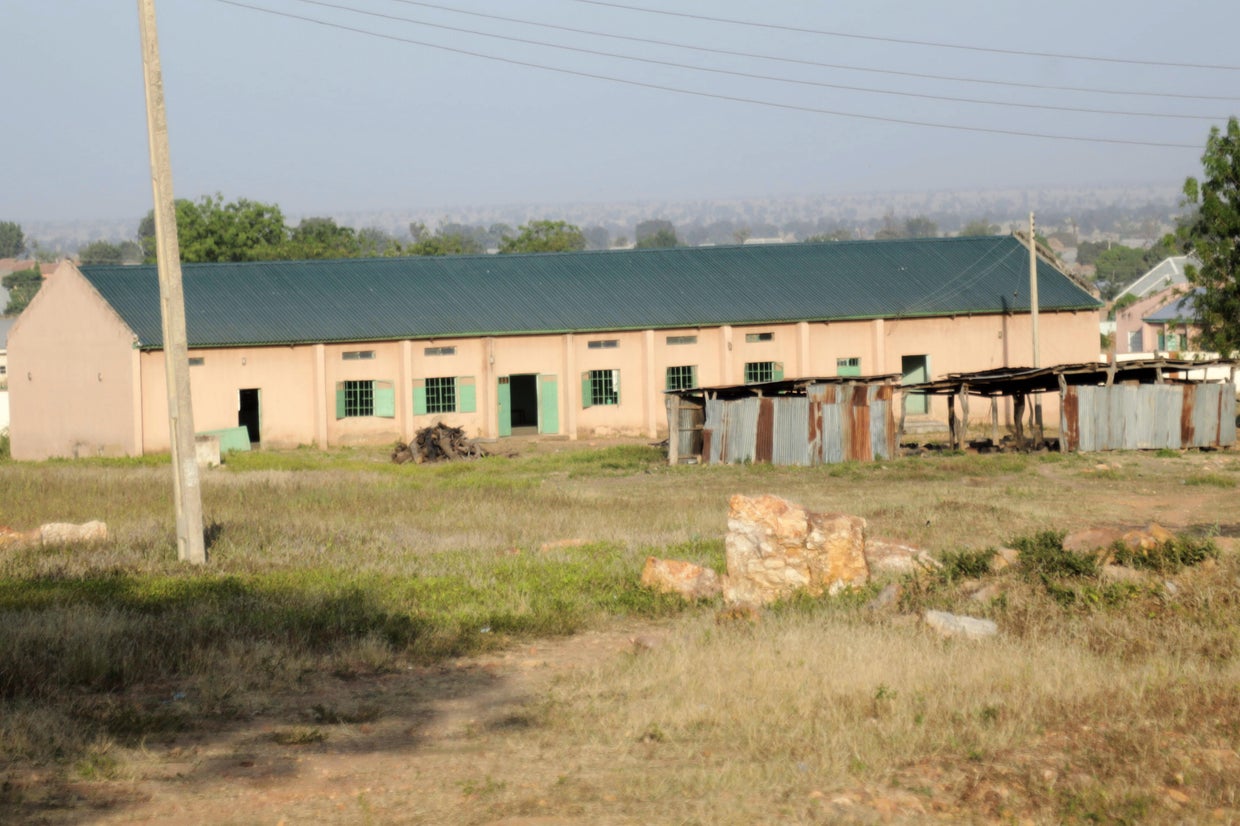
In the immediate aftermath of the assault, Nigerian police officials confirmed the abductions and announced the swift deployment of military and security forces to the affected community. However, the incident also drew sharp criticism from within the state government. Abubakar Usman, the secretary to the Niger state government, issued a statement expressing profound regret and laying partial blame on the school’s administration. Usman revealed that the attack occurred despite prior intelligence warnings indicating heightened threats in the area. "Regrettably, St. Mary’s School proceeded to reopen and resume academic activities without notifying or seeking clearance from the State Government, thereby exposing pupils and the staff to avoidable risk," the statement read, highlighting a potential breakdown in communication and security protocols that may have contributed to the tragedy.
This recent incident is not isolated but rather part of a distressing pattern. It follows closely on the heels of another mass abduction that occurred just days earlier. On Monday, November 17, 2025, gunmen attacked a high school in Maga, Kebbi State, a neighboring territory situated approximately 105 miles from Papiri, and kidnapped 25 schoolgirls. In a glimmer of hope amidst the despair, one of the abducted girls managed to escape and is now safe, according to the school’s principal.
The recurring nature of these abductions has cast a long shadow over Nigeria, prompting a national outcry and putting immense pressure on President Bola Tinubu’s administration. Earlier this week, in a move indicative of the gravity of the crisis, President Tinubu postponed his scheduled trip to the Group of 20 (G20) summit. His decision underscored a commitment to prioritize the escalating domestic security challenges. On Wednesday, he conveyed his anguish and resolve in a social media post: "I am heartbroken by the abduction of our daughters in Kebbi and the painful loss of Brigadier General Musa Uba and the brave soldiers who fell in Borno. Their families, and the families of the kidnapped schoolgirls, are in my prayers. I have directed the security agencies to act swiftly and bring the girls back to Kebbi State." This public statement aimed to reassure a distraught nation, but the continued abductions highlight the immense task facing his government.
The current wave of violence also intersects with growing international concern, particularly from the United States. Nigeria has recently been thrust into the global spotlight following strong pronouncements from former President Donald Trump. Mr. Trump has repeatedly singled out Nigeria, alleging widespread persecution of Christians – an accusation that the Nigerian government has vehemently rejected. His rhetoric has been uncompromising, going so far as to issue stern warnings. "If the Nigerian Government continues to allow the killing of Christians, the U.S.A. will immediately stop all aid and assistance to Nigeria, and may very well go into that now disgraced country, ‘guns-a-blazing,’ to completely wipe out the Islamic Terrorists who are committing these horrible atrocities. I am hereby instructing our Department of War to prepare for possible action," Mr. Trump declared in a Truth Social post earlier this month.
These inflammatory statements have ignited a diplomatic firestorm. Nigerian Foreign Minister Yusuf Maitama Tuggar swiftly responded on X, refuting Mr. Trump’s claims. "Nigeria is a God-fearing country where we respect faith, tolerance, diversity, and inclusion," Tuggar asserted, attempting to counter the narrative of targeted religious persecution. Despite Nigeria’s protests, the Trump administration’s stance has hardened. In October, Mr. Trump formally designated Nigeria as a "Country of Particular Concern," placing it on a list of nations that the State Department identifies as having engaged in or tolerated severe violations of religious freedom.
The diplomatic pressure from Washington has been substantial. Reuters news agency reported on Friday that President Tinubu had dispatched his national security adviser and a wider Nigerian delegation to Washington to engage with Trump administration officials and U.S. lawmakers. This proactive measure indicates Nigeria’s recognition of the serious implications of the U.S. stance. A senior U.S. State Department official, speaking to Reuters on Thursday, confirmed that the White House is actively considering a range of punitive measures, including sanctions and enhanced Pentagon engagement on counterterrorism. These actions are part of a broader strategy to compel Abuja to more effectively protect Christian communities and uphold religious freedom across the nation.
While international attention often frames the issue in terms of religious conflict, analysts and local residents point to a more complex reality on the ground. Responsibility for the attacks in Niger and Kebbi states has not been explicitly claimed by any single group, but the consensus is that they are primarily perpetrated by criminal gangs, often referred to as bandits. These groups typically target schools, travelers, and remote villagers, with kidnapping for ransom being their primary motive. Authorities frequently describe these gunmen as former herders who have taken up arms, driven by a cycle of clashes with farming communities over increasingly strained resources, exacerbated by climate change and demographic pressures.
The phenomenon of mass abductions has tragically come to define the pervasive insecurity in Nigeria, leaving behind a trail of pain, trauma, and devastating consequences for education and community life. The current crisis has deep roots, stretching back over a decade. Since the infamous abduction of 276 Chibok schoolgirls by Boko Haram jihadi extremists more than ten years ago, an estimated 1,500 students have been abducted across the region. This grim statistic underscores a systemic vulnerability that criminal gangs exploit, often targeting schools due to their perceived soft targets and the high publicity generated by such heinous acts.
The underlying causes of this enduring insecurity are multifaceted. Analysts and residents widely attribute the problem to a chronic failure to prosecute known attackers, which fosters a climate of impunity. Compounding this issue is rampant corruption, which not only diverts essential funds from security forces but also, paradoxically, ensures a steady supply of weapons to the very gangs terrorizing the population. This vicious cycle has debilitated state capacity, leaving communities feeling abandoned and vulnerable.
The assault on St. Mary’s School paints a vivid picture of this vulnerability. A satellite view of the school compound reveals a rectangular layout, enclosed by a wall, and connected to an adjoining primary school. With over 50 classroom and dormitory buildings, it is a significant educational hub located on the outskirts of the town of Aguara, strategically positioned near the main Yelwa-Mokwa road. Its location, while seemingly designed for access, also potentially made it an easier target for gangs operating in the region.
The psychological toll on communities subjected to repeated abductions is immeasurable, fostering deep-seated fear and distrust in authorities. The constant threat of kidnapping forces schools to close, disrupts academic calendars, and denies countless children their right to education, perpetuating a cycle of poverty and instability. President Tinubu, who came to power promising "renewed hope" and a crackdown on insecurity, faces an existential challenge in addressing this escalating crisis. The dual pressure of relentless internal threats and mounting international demands for action leaves Nigeria at a critical juncture, with the safety and future of its children hanging precariously in the balance. Without decisive action to dismantle criminal networks, strengthen governance, and address the root causes of violence, the nation risks further descent into chaos, with profound implications for regional stability and human development.