Sniffer dogs help uncover 14 tons of cocaine at Colombia port, marking biggest bust in a decade.
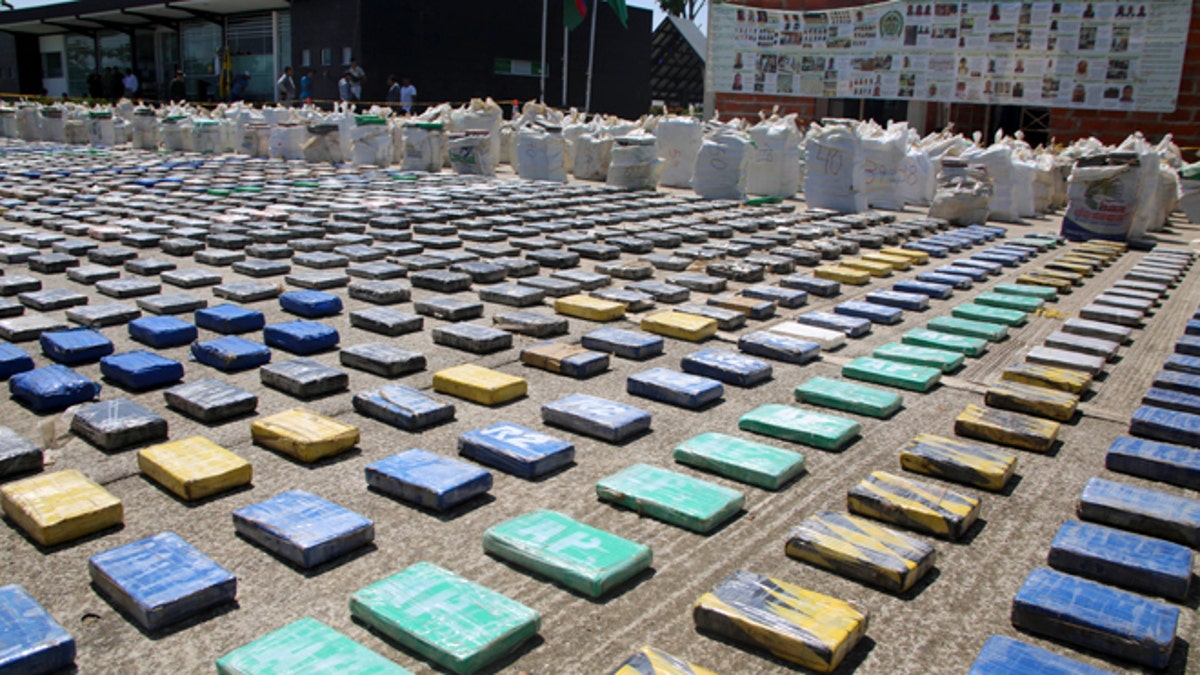
Colombia has made its most significant cocaine seizure in ten years, authorities declared on Friday, after a staggering 14 tons of the illicit substance were confiscated at the nation’s primary Pacific port. This monumental bust arrives amidst palpable diplomatic tensions with Washington, which has recently criticized Bogotá’s anti-drug policies as "insufficient" and taken punitive measures against President Gustavo Petro’s administration. Crucially, the success of this operation hinged on the keen senses of a dedicated canine team, whose unerring ability to detect hidden narcotics proved instrumental in uncovering the massive quantity of drugs.
The unprecedented seizure, occurring in a nation that holds the dubious distinction of being the world’s largest cocaine producer, comes at a delicate time. The White House has not only imposed financial sanctions on President Gustavo Petro but has also controversially removed Colombia from its esteemed list of allies in the global war on drugs. These actions underscore a growing rift between the two traditional partners, with the US expressing deep dissatisfaction with Colombia’s efforts to curb the burgeoning drug trade.
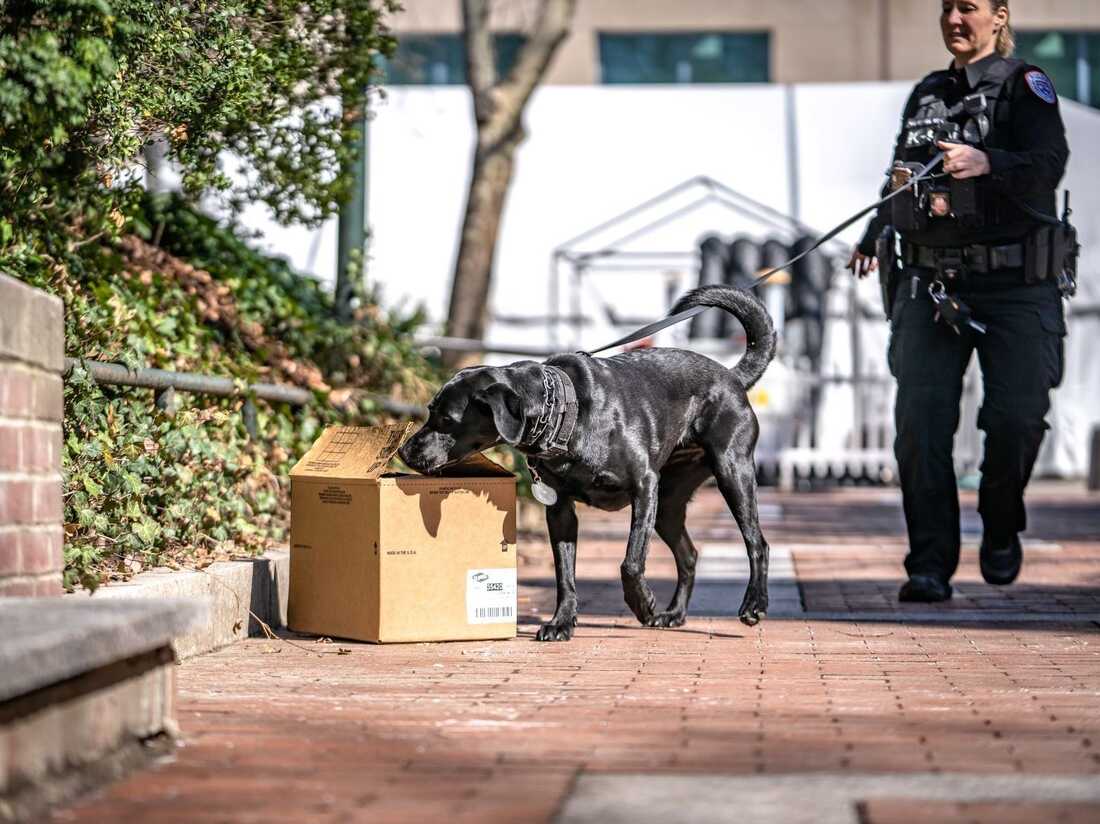
Delving into the specifics of the discovery, the colossal haul of cocaine was found meticulously concealed within a warehouse. It was packed into dozens of 110-pound sacks, cunningly "camouflaged" by being mixed with plaster – a sophisticated attempt to evade detection. The Colombian Defense Ministry, in a post on X (formerly Twitter), hailed the operation as a "historic blow against drug trafficking," emphasizing the scale and impact of the interdiction. The ministry further released compelling video footage showcasing a sniffer dog reacting unequivocally to the contaminated sacks, alongside images of law enforcement officers employing advanced electronic devices to forensically test the contents. Officials have since estimated that this single seizure prevented the circulation of an astounding 35 million individual doses of cocaine, valued at over $388 million on the international market, thereby inflicting a severe financial blow to criminal organizations.
President Petro himself lauded the operation, declaring it "the largest seizure by the Colombian police in the last decade." He also pointed out a significant detail: the entire operation was carried out "without a single death," a stark contrast to some more confrontational anti-narcotics efforts. The bust took place in the southwestern port city of Buenaventura, a locale of immense strategic importance due to its position as a critical departure point for Colombian cocaine destined for global markets. Its deep-water facilities and extensive logistical networks make it a perennial target for drug cartels seeking to export their product.
The timing and nature of this bust are deeply intertwined with President Petro’s ongoing ideological clash with his US counterpart, President Donald Trump, over the efficacy and ethics of anti-drug strategies. Petro has been an outspoken critic of Trump’s aggressive anti-drug policies, particularly rejecting as "extrajudicial executions" the bombings authorized by the US president against boats suspected of carrying drugs in the Caribbean and Pacific. In an exclusive conversation with CBS News in October, President Petro escalated his accusations, claiming that some individuals killed in these US strikes on alleged drug boats have been innocent civilians. He further reiterated his conviction that such attacks constitute a clear violation of international law. Petro articulated his philosophy to CBS News, stating, "Killing the business’ workers is easy. But if you want to be effective, you have to capture the bosses of the business." This viewpoint underscores a fundamental divergence in strategy: Petro advocates for targeting the financial and leadership structures of cartels, rather than focusing solely on interdicting shipments or engaging in what he views as indiscriminate attacks on low-level operatives.
The White House, for its part, has consistently denied that any innocent civilians have been killed in these controversial boat strikes. This disagreement highlights the deep chasm in approach and trust between the two nations. The Drug Enforcement Administration (DEA) has long asserted that approximately 90% of the cocaine reaching the United States originates from Colombia. Against this backdrop, President Trump has explicitly blamed President Petro, alleging that his administration has failed to effectively rein in the powerful drug cartels that continue to operate with impunity within Colombia’s borders.
The statistics paint a grim picture of Colombia’s ongoing struggle with drug production. The country consistently breaks its own annual records for coca leaf cultivation and the subsequent production of powder cocaine. According to United Nations figures for 2023, the most recent data available, Colombia had an astonishing 625,000 acres under drug cultivation, leading to the production of at least 2,600 tons of cocaine. These figures underscore the monumental challenge faced by any Colombian administration in attempting to dismantle such a vast and deeply entrenched illicit industry.
President Petro, however, views Mr. Trump’s sanctions as unfair and unjustified, especially given what he claims are record seizures made under his government. To bolster his argument and counter US criticism, Petro released a chart on social media late Friday, purporting to show a steady and significant increase in cocaine seizures across the country over the last six years, including during his tenure. This public presentation of data is a direct challenge to the narrative emanating from Washington, suggesting that despite the US’s negative assessment, Colombia’s law enforcement agencies are, in fact, making substantial progress in the fight against drug trafficking.
The 14-ton bust in Buenaventura is not an isolated incident but rather the latest in a series of significant interdictions along Colombia’s Pacific coast. Earlier the same week, Colombian navy divers at another Pacific port made a separate discovery, unearthing over 450 pounds of cocaine meticulously hidden underneath a ship that was preparing to set sail for Europe. This intricate method of concealment demonstrates the lengths to which drug traffickers will go to bypass security measures. Just a few days prior to that, the navy announced an even larger success, confiscating more than seven tons of drugs from two speedboats and a sophisticated semi-submersible vessel – colloquially known as a "narco sub" – also in the Pacific Ocean. These advanced, low-profile vessels are specifically designed for clandestine drug transport and represent a significant investment by cartels, highlighting the technological sophistication of these criminal enterprises.
In conclusion, the seizure of 14 tons of cocaine at Buenaventura represents a resounding operational victory for Colombian authorities, showcasing their capabilities in disrupting major drug trafficking networks, particularly with the invaluable assistance of their canine units. However, this success is overshadowed by the complex and increasingly strained relationship between Colombia and the United States. The differing philosophies on drug policy, coupled with US sanctions and Colombian counter-claims of effectiveness, create a challenging diplomatic landscape. While Colombia demonstrates its commitment through significant busts, the underlying issues of vast coca cultivation and the powerful influence of cartels remain formidable. This latest interdiction, therefore, serves not only as a testament to law enforcement’s efforts but also as a stark reminder of the ongoing, multifaceted struggle against illicit narcotics and the intricate geopolitical dance it entails.