Western leaders say U.S. 28-point Ukraine peace plan needs "additional work"
Western leaders, convening on the sidelines of the G20 summit in Johannesburg, South Africa, have declared that the 28-point peace plan proposed by the United States for Ukraine, currently in its fourth year of conflict, serves as a foundational basis but "requires additional work." The G20 summit itself was notably boycotted by the Trump administration, adding a layer of complexity to the already intricate geopolitical discussions surrounding the prolonged war.
The joint statement, issued by leaders from the Group of Seven nations and key European countries including the European Union, Germany, France, Britain, Canada, the Netherlands, Spain, Finland, Italy, Japan, and Norway, acknowledged that "The initial draft of the 28-point plan includes important elements that will be essential for a just and lasting peace." However, this commendation was swiftly followed by a crucial caveat: "We believe, therefore, that the draft is a basis which will require additional work." This nuanced position signals a cautious approach, recognizing the necessity for a peace framework while expressing significant reservations about the current proposal’s specifics.
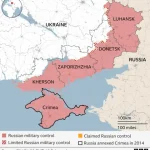
The controversial 28-point plan, which was dispatched to both Kyiv and Moscow earlier in the week, outlines a framework that has sent ripples of alarm across Ukraine and many European capitals. According to a draft disseminated by a Ukrainian opposition politician and subsequently corroborated by a White House official, the plan mandates Ukraine to relinquish its eastern Donbas region and the Crimean peninsula—territories internationally recognized as Ukrainian but occupied by Russia. Furthermore, it stipulates that Ukraine must formally renounce its aspiration for NATO membership, a long-standing core demand from Moscow. In return, the plan offers what are described as "limited security guarantees" to Kyiv, a provision that many critics argue would leave Ukraine dangerously exposed to future aggression.
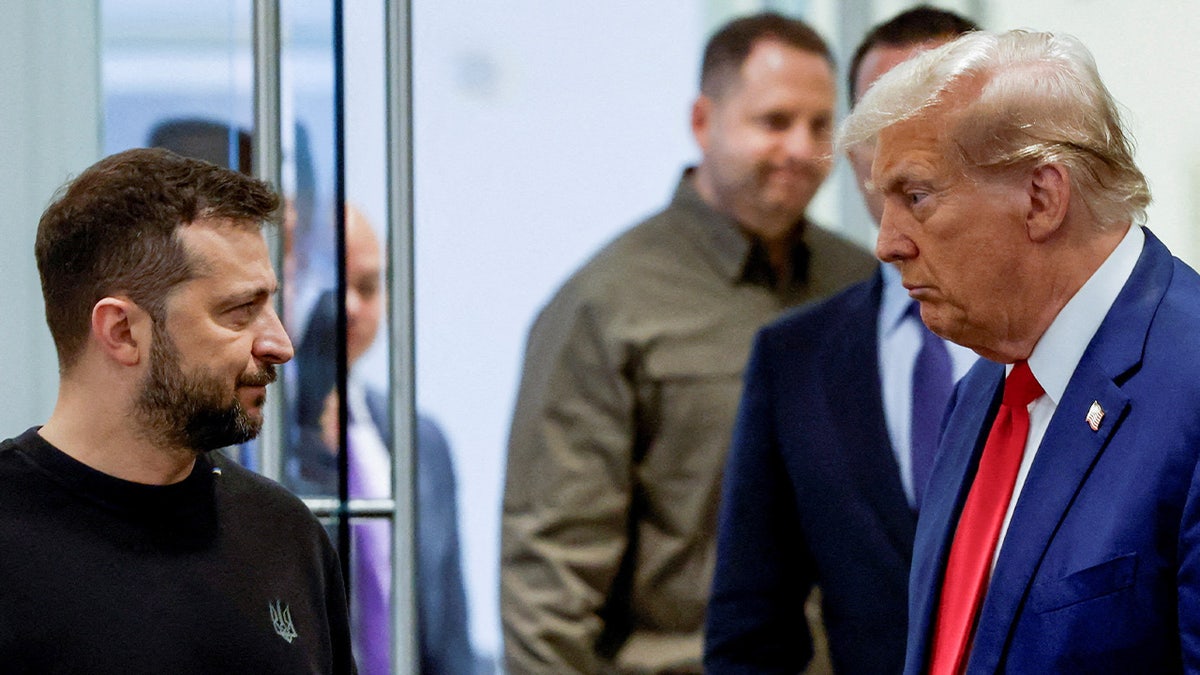
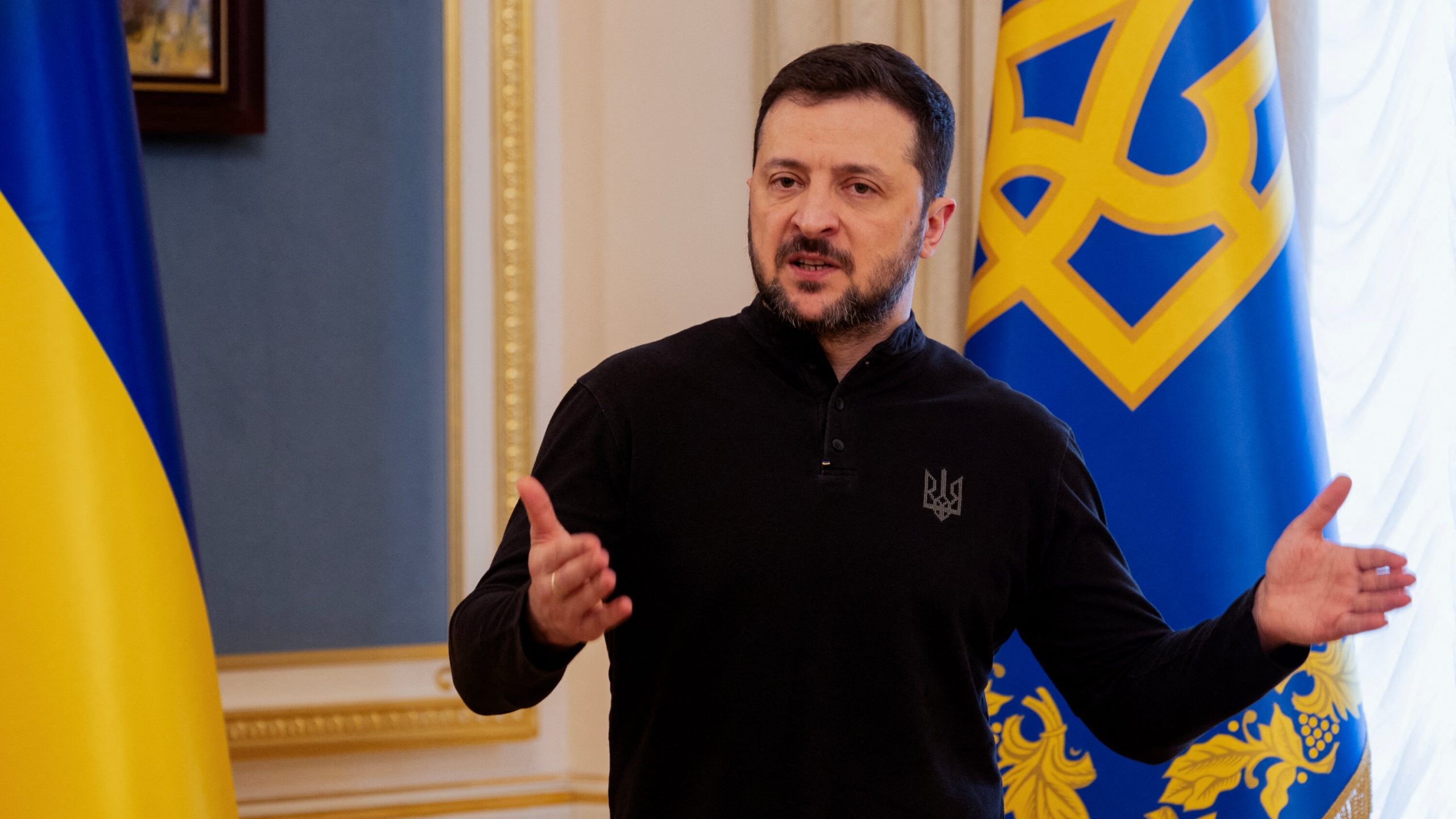
The immediate reaction from Kyiv was one of profound concern. Ukrainian President Volodymyr Zelenskyy articulated his country’s precarious position on Friday, suggesting that Ukraine could soon face an agonizing choice between upholding its sovereign rights and territorial integrity, and preserving the vital American support indispensable for its survival. This dilemma highlights the immense pressure Kyiv is under, caught between a powerful ally’s peace initiative and its fundamental national interests.
German Chancellor Friedrich Merz, speaking to reporters at the summit, echoed a sentiment widely held among European leaders, stating emphatically that "wars cannot be ended by major powers over the heads of the countries affected." He underscored the critical need for Kyiv to receive "robust guarantees" for its security and sovereignty, implicitly criticizing elements of the U.S. plan that fall short in this regard. The collective concern among Western allies revolves around the potential precedent set by coercing Ukraine into ceding territory and limiting its defensive capabilities, thereby undermining the principles of international law and sovereign self-determination.
President Trump, whose administration proposed the plan, has maintained a firm stance, indicating his desire for a definitive answer from Zelenskyy by Thursday, which coincides with Thanksgiving in the U.S. While an extension for finalizing terms remains a possibility, the implicit deadline exerts considerable pressure on the Ukrainian leadership. Speaking to reporters at the White House on Saturday, Mr. Trump clarified that the U.S. peace plan is not his final offer for Ukraine, suggesting room for negotiation, albeit within parameters that appear largely dictated by Washington.
"We’d like to get the peace… It should have happened a long time ago. The Ukraine war with Russia should have never happened," Mr. Trump stated, reiterating his long-held belief that if he were president, the conflict would have been averted. "If I were president, it never would have happened. We’re trying to get it ended one way or the other. We have to get it ended." His comments reflect a desire to project an image of a decisive leader capable of resolving complex international conflicts, even if it means imposing terms that are deeply unpalatable to one of the warring parties. He further emphasized his position on Friday, stating that Zelenskyy "At some point, he’s going to have to accept something." He added a stark ultimatum: "He’ll have to like it, and if he doesn’t like it, then they should just keep fighting, I guess." This public pressure on an ally fighting for its existence has been met with discomfort by many of the U.S.’s traditional partners.
In a significant diplomatic development, Ukrainian envoys are slated to meet a U.S. delegation in Switzerland to delve into the proposal, a high-ranking Ukrainian official confirmed on Saturday. However, European leaders used the opportunity at the G20 to issue a collective warning against the dangers of rushing into a peace deal that might compromise Ukraine’s long-term security or reward Russian aggression.
The joint statement from Western leaders explicitly articulated their unwavering commitment to a fundamental principle of international law: "We are clear on the principle that borders must not be changed by force." This declaration directly challenges a core tenet of the U.S. peace plan, which implicitly accepts the de facto annexation of Ukrainian territories. Furthermore, the leaders voiced profound apprehension regarding another critical aspect of the plan: "We are also concerned by the proposed limitations on Ukraine’s armed forces, which would leave Ukraine vulnerable to future attack." Such limitations, they argue, would strip Ukraine of its inherent right to self-defense and create a dangerous vacuum that could invite renewed aggression.
Russian President Vladimir Putin, while acknowledging receipt of the 28-point plan via "existing channels of communication with the U.S. administration" on Friday, offered a qualified acceptance. "I believe it could too form the basis for a final peace settlement," Putin remarked. However, he quickly added a crucial observation: "But this text is not being discussed with us in any substantive way. And I can assume why. I believe the reason is the same: the U.S. administration has so far been unable to secure the consent of the Ukrainian side. Ukraine is against it." Putin’s statement strategically highlights the internal divisions among Ukraine and its allies, while signaling Russia’s openness to a plan that largely aligns with its long-standing demands for Ukrainian demilitarization and neutrality.
Amidst these intense diplomatic maneuvers, President Zelenskyy struck a defiantly patriotic note on Saturday as Ukraine commemorated Holodomor Memorial Day, remembering the "great famine" orchestrated by Soviet leader Josef Stalin in the early 1930s, which claimed millions of Ukrainian lives. "We all know how and why millions of our people died, starved to death, and millions were never born. And we are once again defending ourselves against Russia, which has not changed and is once again bringing death," Zelenskyy posted on Telegram. His invocation of the Holodomor serves as a powerful historical analogy, framing the current conflict as a continuation of existential threats from Russia and reinforcing Ukraine’s resolve to resist any territorial concessions. "We defended, defend, and will always defend Ukraine. Because only here is our home. And in our home, Russia will definitely not be the master," Zelenskyy added, drawing a clear line in the sand against any peace plan that might compromise Ukraine’s sovereignty.
The upcoming discussions in Switzerland are set to be pivotal. Rustem Umerov, Ukraine’s former defense minister and a veteran negotiator in previous, ultimately unsuccessful, talks with Russia, confirmed that a Ukrainian delegation would soon travel to Switzerland to discuss the proposal with U.S. representatives. "These days in Switzerland, we are starting consultations between high-ranking officials of Ukraine and the USA regarding possible parameters of a future peace agreement. Ukraine approaches this process with a clear understanding of its interests," Umerov wrote on Telegram, emphasizing Kyiv’s commitment to protecting its core objectives.
The U.S. delegation for these critical talks will include high-ranking officials. Secretary of the Army Dan Driscoll is already in Geneva to initiate the discussions on the next steps toward achieving peace in Ukraine, according to a U.S. official familiar with the plans. Secretary of State Marco Rubio and U.S. envoy Steve Witkoff are also expected to join him, as confirmed by multiple U.S. officials. This formidable U.S. presence underscores the significance Washington places on advancing its peace initiative.
In a coordinated move, Chancellor Merz announced that envoys from Germany, France, the U.K., and the EU will join the Ukrainian negotiators in Geneva on Sunday, demonstrating a united European front to influence the discussions and ensure that Ukraine’s interests are robustly represented. The Ukrainian presidency’s website further detailed that nine officials, including Zelenskyy’s chief of staff Andrii Yermak and Rustem Umerov, are empowered to participate in these talks, and crucially, are authorized to deal directly with Russia if the opportunity arises.
The intricate dance of diplomacy surrounding the U.S. 28-point peace plan highlights the profound divisions and challenges inherent in resolving the war in Ukraine. While the U.S. pushes for a swift resolution, its Western allies and Ukraine itself are wary of a peace that might sacrifice fundamental principles of sovereignty and create conditions for future conflict. The upcoming discussions in Switzerland will be a crucial test of whether a path to a "just and lasting peace" can be forged, or if the chasm between competing visions remains too wide to bridge.
Eleanor Watson, Margaret Brennan, and AFP contributed to this report.