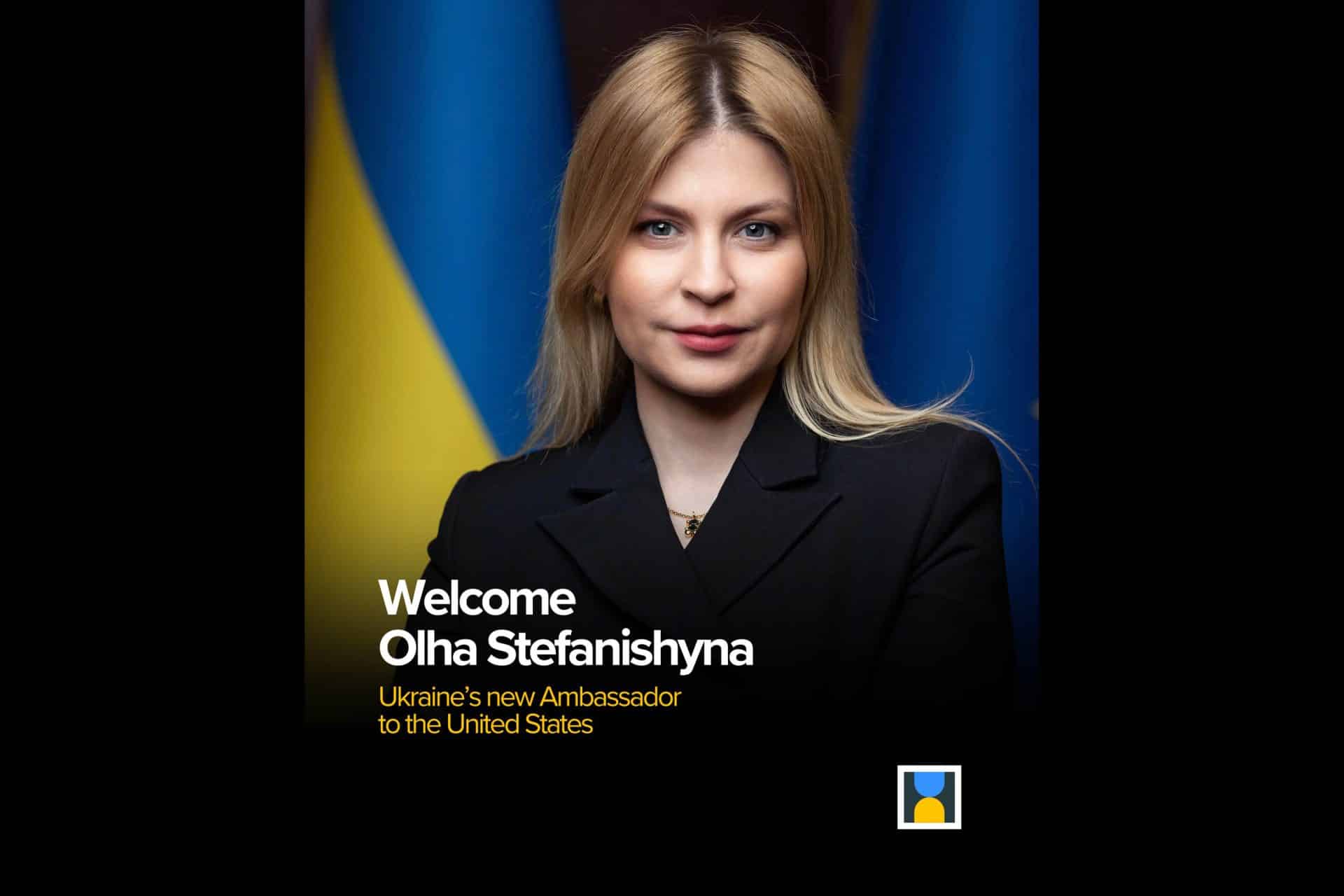
Transcript: Olga Stefanishyna, Ukrainian Ambassador to the U.S., on "Face the Nation with Margaret Brennan," Nov. 23, 2025
On November 23, 2025, in a pivotal interview on CBS News’ "Face the Nation," Ukrainian Ambassador to the United States Olga Stefanishyna offered a stark and unvarnished perspective on the high-stakes diplomatic negotiations concerning Ukraine’s future, as ongoing consultations in Geneva cast a long shadow over Kyiv. With her country facing what President Zelenskyy had ominously described as a choice between "losing its dignity or losing a key ally, the United States," Stefanishyna navigated the complexities of a proposed peace plan, security guarantees, and the grim realities of the battlefield. The Ambassador’s appearance underscored the immense pressure on Ukraine amidst a prolonged conflict and evolving international support dynamics.
The core of the diplomatic whirlwind centered on a "28-point peace plan" being discussed in Geneva, a proposal put forth by the American side. Secretary of State Rubio and Secretary of Army Driscoll were reportedly key American figures in these consultations, joined by European allies. Stefanishyna confirmed that while discussions were constructive and ongoing, the Ukrainian delegation harbored significant reservations. "This plan is not about the justice and the truth of this war and- and the aggression. It’s about, you know, ending the war and stopping the military engagement," she stated bluntly, drawing a clear distinction between a cessation of hostilities and a truly just resolution. Her words resonated with the widespread Ukrainian sentiment that any peace must address accountability for war crimes, territorial integrity, and reparations, rather than simply freezing the conflict in Russia’s favor. The absence of Russia formally at the negotiating table, despite its obvious influence on the proposed terms, further complicated Kyiv’s view of the plan’s fairness.
The Ambassador elaborated on the lack of concessions from the Russian side within the proposed framework. While the plan acknowledged the aggression and included humanitarian points like the return of hostages and prisoners of war, it conspicuously lacked mechanisms to compel Russia to account for its actions or to genuinely address the root causes of the conflict. For Ukraine, this presented a profound moral and strategic dilemma: accept a peace that felt imposed and incomplete, or risk alienating its most crucial international backer. The implicit threat of a reduction or cessation of military and intelligence sharing from the U.S. loomed large, though Stefanishyna deftly sidestepped direct confirmation of such ultimatums, choosing instead to emphasize the "emotional" nature of some prior discussions and the ongoing collaborative spirit with American officials. This careful phrasing highlighted the delicate balance Ukraine sought to maintain between asserting its sovereign interests and preserving its alliance.
A critical aspect of the Geneva talks, separate from the 28-point peace plan, involved discussions around security guarantees. Reports, including from The Wall Street Journal, suggested a "framework" document outlining 10 years of support from the U.S., but notably without a commitment to direct military assistance. Stefanishyna clarified that this was merely an "intention" document, not a formal treaty or a detailed layout of specific guarantees. She underscored the vast difference between such a framework and the robust, collective defense enshrined in NATO’s Article 5. For Ukraine, the historical precedent of the 1994 Budapest Memorandum, under which it surrendered its nuclear arsenal in exchange for security assurances that ultimately proved insufficient against Russian aggression, cast a long shadow. This painful lesson informed Ukraine’s insistent demand for explicit, binding commitments.
The Ambassador highlighted a crucial nuance in the proposed security assurances: they would activate "in case of the Russian aggression from the territory of the Russian Federation." This wording was insufficient for Kyiv, which remembered well that the full-scale invasion in February 2022 had also been launched from Belarusian territory, a Russian proxy. "We can really speak about security assurances where we have, like the real document in front of our eyes," Stefanishyna stressed, emphasizing Ukraine’s desire for guarantees that comprehensively cover all potential vectors of aggression, including from allied or occupied territories. The nation sought a commitment akin to mutual defense, recognizing that a clear, unambiguous promise of intervention was essential to deter future aggression and ensure long-term stability.
The conversation also delved into the grim realities of the battlefield, particularly concerns raised by U.S. and European officials regarding the situation around Pokrovsk. This key industrial city in the Donbas region was described as a potential "gateway to the eastern part," with Russia reportedly poised to take control. Stefanishyna acknowledged Pokrovsk’s importance but firmly pushed back against the narrative that Ukraine was "losing" and therefore needed to negotiate from a position of weakness. She contextualized the fighting within the vastness of the front lines, where "more than 1,000 combat engagements happening on all the front line" weekly. "Russia is trying to present that it’s only happening in Pokrovsk, right? So this is a victorious narrative Russia is using as a tactics of pressuring or changing the reality also here in the United States," she asserted, exposing what she perceived as a deliberate propaganda effort. Her response underscored Ukraine’s resilience and its determination to defend every inch of its territory, even amidst immense challenges and strategic setbacks in specific areas.
By late 2025, the war in Ukraine had evolved into a grueling test of endurance, with both sides locked in a protracted struggle. Diplomatic efforts, often driven by the desire of international partners to find an "off-ramp" for the conflict, frequently clashed with Ukraine’s unwavering commitment to its sovereignty and a just peace. Ambassador Stefanishyna’s interview served as a powerful reminder of the profound moral and strategic complexities involved. Ukraine’s leaders faced the unenviable task of balancing the imperative of continued Western support with their nation’s fundamental right to self-determination and justice. The "fair peace" Stefanishyna spoke of was not merely a cessation of fighting, but a comprehensive resolution that addressed the consequences of aggression and guaranteed Ukraine’s long-term security and territorial integrity, principles that Kyiv steadfastly refused to compromise, even under the immense pressure of its most crucial allies. The coming days in Geneva, and the ultimate decision on the proposed peace plan and security framework, would undoubtedly shape the trajectory of Ukraine and indeed, the broader international order.