Shark kills woman, seriously injures man with her at beach in Australia
A serene early morning swim turned into a harrowing tragedy on Australia’s east coast Thursday, as a shark fatally attacked a woman and seriously wounded her male companion at a national park beach. The brutal incident, which unfolded at approximately 6:30 a.m. at Crowdy Bay National Park, located some 224 miles north of Sydney, has sent shockwaves across the region, prompting immediate beach closures and reigniting concerns over shark safety in Australian waters. Experts have underscored the extreme rarity of a single shark attacking more than one person, making this event particularly unusual and distressing.
The victims, later identified by the Swiss Federal Department of Foreign Affairs as Swiss nationals in their mid-20s, were enjoying what was likely intended to be a peaceful start to their day when the predatory encounter occurred. Police Chief Inspector Timothy Bayly, speaking to reporters, confirmed the devastating details, stating, "At this stage, all I’m prepared to say is they were known to each other and they were going for a swim and the shark attacked." While declining to provide specific details on the nature of their injuries, the gravity of the situation was evident.
Crowdy Bay National Park, a picturesque stretch of coastline renowned for its pristine beaches, popular camping spots, abundant fishing opportunities, and scenic hiking tracks, suddenly became the scene of unspeakable horror. The remoteness of the location, far from immediate life-saving services, added another layer of challenge to the emergency response. The incident occurred just weeks after a separate, equally tragic shark attack claimed the life of a surfer off a Sydney beach, amplifying the sense of unease among coastal communities.
Emergency services were swiftly dispatched to Kylies Beach following urgent reports of two individuals having sustained severe shark bites. A bystander, whose quick thinking and decisive action proved critical, rendered immediate first aid to the injured pair on the beach. This heroic intervention, paramedics later confirmed, may have been the sole factor preventing a double fatality. Tragically, despite these efforts, the woman succumbed to her injuries at the scene. The man, battling life-threatening wounds, was airlifted by helicopter to a hospital, where paramedic Josh Smyth reported his condition as serious but stable.
Smyth lauded the bystander’s actions, emphasizing the profound impact of their swift response. "I just really need to have a shoutout to the bystander on the beach who put a makeshift tourniquet on the male’s leg which obviously potentially saved his life and allowed New South Wales Ambulance paramedics to get to him and render first aid," Smyth told reporters. Steven Pearce, chief executive of Surf Life Saving NSW, described the incident as "a really, really terrible incident," further highlighting the challenges posed by the remote location. "This area is so remote, there’s no life guarding services up there at all," Pearce noted during an interview with local radio 2GB.
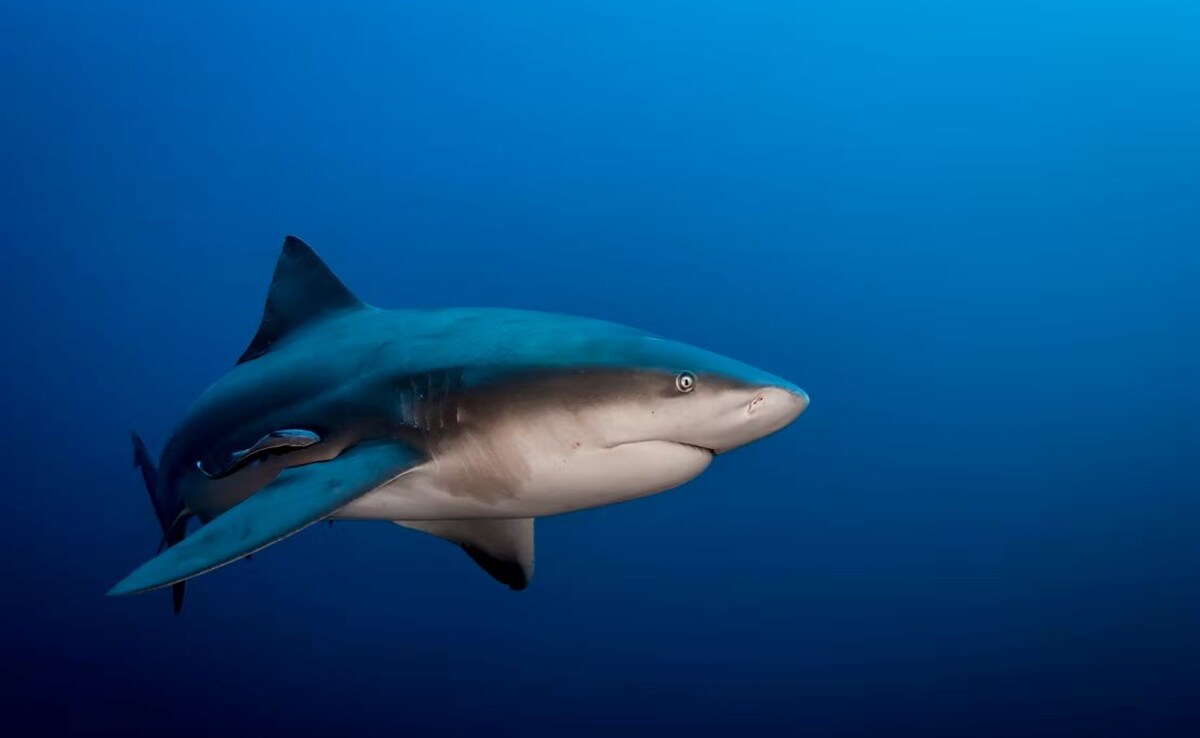
In the wake of the attack, authorities moved quickly to identify the aggressor. Scientists determined that the couple had been attacked by a large bull shark, a species known for its aggressive nature and ability to thrive in both saltwater and freshwater environments. Bull sharks are frequently implicated in attacks closer to shore due to their preference for shallow, coastal waters, including estuaries and rivers, which often overlap with human recreational areas. Following the identification, five drumlines—baited hooks suspended from floats designed to attract and catch sharks—were deployed off Kylies Beach in an attempt to apprehend the animal. This measure was taken even as existing drumlines were already in place further north at Port Macquarie and to the south at Forster, part of ongoing efforts to manage shark populations and reduce the risk of encounters.
The rarity of a single shark attacking multiple individuals was a key point of discussion for experts. Gavin Naylor, director of the University of Florida’s shark research program and manager of the International Shark Attack File (ISAF) database, stressed the extraordinary nature of the event. "It is very unusual. Individual shark attacks are rare. And shark attacks on two people by the same individual is not unheard of, but it’s very rare," Naylor explained. He added that a detailed understanding of the sequence of the shark’s behavior would be crucial to deciphering what motivated such an atypical attack. While sharks typically target single prey, an instance of attacking two individuals might suggest a heightened state of aggression, territorial defense, or a perceived threat, although such scenarios remain exceedingly uncommon.
Australia, with its extensive coastline and vibrant beach culture, unfortunately, leads global statistics in shark encounters. The ISAF noted last year that a "disproportionate" amount of people died from shark bites in Australia in 2023 compared to other countries. This alarming trend raises questions about environmental factors, increasing human presence in marine habitats, and the behavior of specific shark species. The data from the Australian Shark Incident Database paints a stark picture: more than 1,280 shark incidents have been recorded around Australia since 1791, with over 250 of these resulting in fatalities.
This latest tragedy follows a series of high-profile incidents that have kept shark safety at the forefront of public discourse. Just a few weeks prior, in September, a surfer was fatally mauled off a Sydney beach, losing "a number of limbs" and having his surfboard broken in two, according to police reports. The sheer brutality of that attack deeply affected the local community. Earlier this month, a 61-year-old Australian windsurfer, Andy McDonald, had a remarkably lucky escape after a shark "hit me like a freight train" off the country’s west coast. A camera from the surf media website swellnet.com captured the dramatic moment the shark seemingly appeared out of nowhere, knocking McDonald off his board. "Everything was really nice, and then just out of the blue, bang, something so hard and strong hit me like a freight train," McDonald recounted to the Australian network ABC. "It just pushed me up into the air and I fell into the, I fell into the water. I knew it was a shark." His miraculous survival, coupled with the visual evidence, served as a potent reminder of the unpredictable dangers lurking beneath the waves.
Beyond these recent events, historical precedents underscore the potential for multiple victims in a single shark encounter, albeit rarely. In 2019, two British tourists snorkeling on the Great Barrier Reef off Australia’s northeast coast were attacked by a single shark, resulting in one losing a foot and the other suffering severe leg injuries. These isolated but severe incidents highlight the inherent risks associated with marine recreation, even in seemingly benign conditions.
The closures of beaches in Crowdy Bay National Park and surrounding areas remain indefinite as authorities continue their investigations and assess the ongoing threat. The tragic loss of life and the severe injury sustained by the man serve as a somber reminder of the raw power of nature and the need for vigilance when entering the ocean. As the community grapples with this devastating event, the debate over effective shark mitigation strategies, balancing human safety with marine conservation, is set to intensify once more across Australia.