Kremlin Says It’s "Premature" to Declare Imminent Peace Deal with Ukraine Amid Mixed Signals and Enduring Conflict.
The Kremlin has significantly tempered expectations regarding an immediate peace agreement to conclude the nearly four-year conflict in Ukraine, despite more optimistic pronouncements from a senior Kremlin aide and the U.S. administration. This sets a cautious tone amidst intensified diplomatic efforts, highlighting the deep complexities that continue to plague negotiations for a lasting resolution to one of Europe’s most devastating conflicts since World War II.
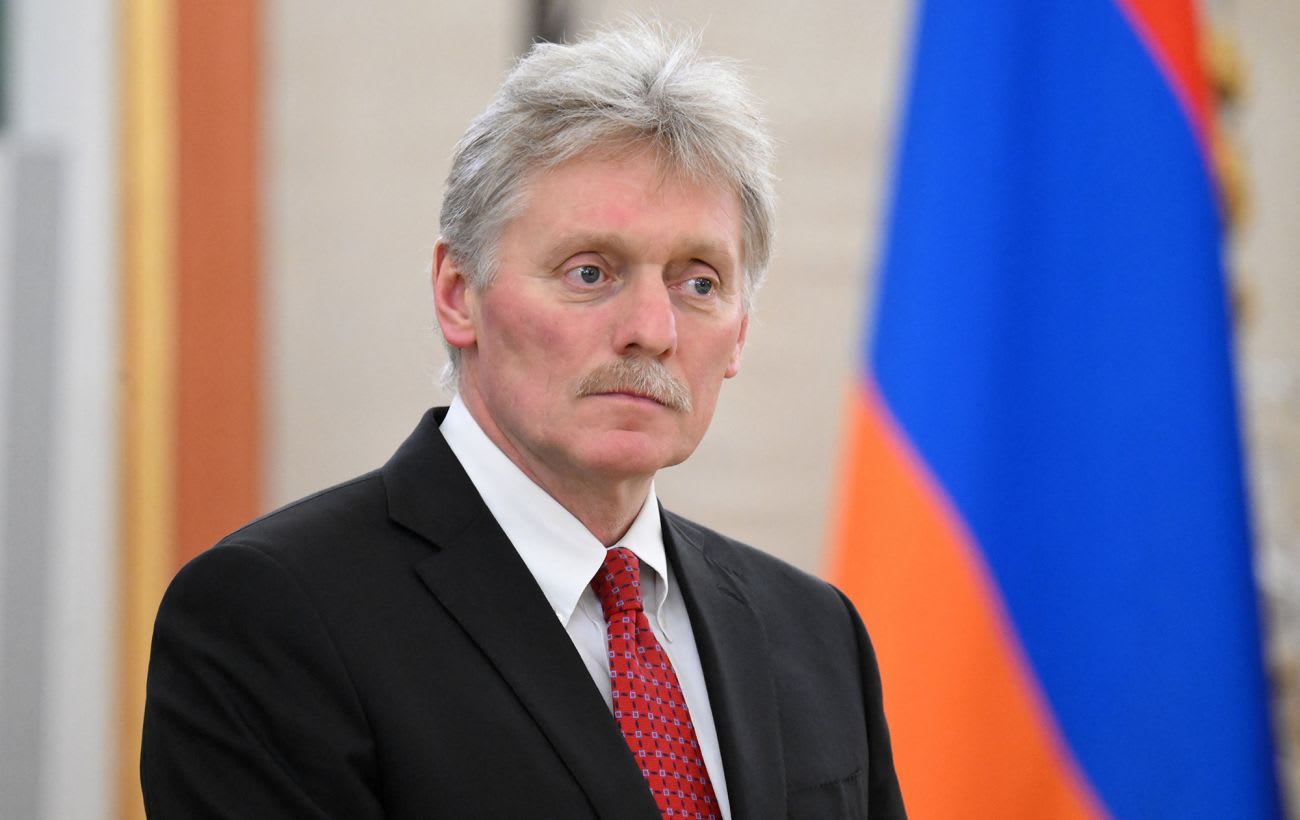
Dmitry Peskov, the Russian Presidential Press Secretary, conveyed a sober assessment to reporters on Wednesday, stating unequivocally that it was "premature" to suggest that a resolution to the situation in Ukraine was close at hand. His remarks served as a direct counterpoint to rising hopes of a breakthrough, emphasizing that numerous formidable obstacles remain. Peskov underscored that despite the flurry of diplomatic overtures and the exchange of proposals, the intricate path to peace is still far from clear, requiring much more than preliminary agreement on a few points.

Further complicating the narrative, Peskov also claimed the existence of external actors, particularly within the United States, "who will try to derail these peaceful developments." This pointed comment, made when pressed about leaks from the ongoing negotiations, suggests a Kremlin perception of vested interests outside the immediate negotiating parties that might actively seek to obstruct any potential accord. This adds a layer of geopolitical intrigue, hinting at internal and external pressures, rivalries, and strategic calculations that extend beyond the direct combatants, potentially undermining sincere efforts towards de-escalation.
In contrast to Peskov’s pronounced caution, Yuri Ushakov, a Kremlin aide, had earlier struck a more guardedly positive note. Speaking to Russian state television reporters on the same day, Ushakov acknowledged that "some aspects can be viewed positively, but many require special discussions among experts." This dual message emanating from within the Kremlin might reflect differing roles in public diplomacy, varying assessments of the evolving situation, or a strategic maneuver to manage both domestic and international expectations while keeping a pragmatic door open for continued dialogue.
Ushakov further confirmed a tangible step in the diplomatic ballet: Russia had indeed received a revised peace proposal. This critical document emerged from high-level discussions between U.S. and Ukrainian officials over the preceding weekend, signifying a concrete, albeit preliminary, stage in the ongoing diplomatic efforts. However, Ushakov meticulously clarified that Russian officials had not yet engaged directly with their American counterparts to discuss the intricacies of this new draft, indicating that internal review and strategizing within Moscow were still very much underway.
"We have not discussed it with anyone yet because it really requires serious analysis, serious discussion," Ushakov elaborated, underscoring the profound nature of the proposal and the significant implications it holds for all parties involved. This statement suggests that while a document outlining potential terms for peace now exists, its acceptance or even serious consideration is contingent on a thorough internal Russian assessment, likely involving multiple government agencies, security bodies, and strategic planners, rather than a swift, superficial review.
On the other side of the diplomatic spectrum, U.S. President Trump expressed considerable optimism, injecting a sense of urgency and progress into the discussions. Speaking to reporters aboard Air Force One on Tuesday, he announced that U.S. Special Envoy Steve Witkoff was scheduled to travel to Moscow next week for a crucial, high-stakes meeting with Russian President Vladimir Putin to discuss the proposal. This high-level engagement underscores the Trump administration’s commitment to actively mediate an end to the conflict, positioning itself as a key facilitator in a potentially landmark peace deal.
A U.S. official, speaking to CBS News on Tuesday, corroborated this sense of progress, stating that Ukraine’s government had "agreed to a peace deal" brokered by the Trump administration to halt Russia’s aggression. Rustem Umerov, Ukraine’s national security adviser, echoed this sentiment, confirming that a common understanding on a proposal had been reached, though prudently acknowledging that specific details still needed to be meticulously finalized. This joint confirmation from both sides of the US-Ukraine axis added significant weight to the claims of a breakthrough, suggesting a unified front in their pursuit of peace.
However, the apparent optimism emanating from the U.S. and Ukrainian camps stands in stark contrast to the more reserved and cautious response from the Kremlin. This significant divergence in public statements raises pertinent questions about the exact stage of negotiations and the actual degree of consensus achieved. It suggests a potential gap in interpretation, a strategic difference in how each side wishes to present the situation to the global audience, or perhaps even a fundamental disagreement on what "close to a resolution" truly entails.
President Trump himself leveraged his Truth Social platform on Tuesday evening to amplify his positive outlook, highlighting what he termed "tremendous progress" in the negotiations. His direct engagement through social media indicates the personal investment he has placed in securing a peace agreement, a key foreign policy objective for his administration and a potential legacy-defining achievement if successful.
Delving into specifics, Mr. Trump elaborated that "The original 28-Point Peace Plan, which was drafted by the United States, has been fine-tuned, with additional input from both sides, and there are only a few remaining points of disagreement." This statement suggests a dynamic and iterative negotiation process, where the initial framework has been refined through bilateral input, theoretically bringing the parties closer to a consensus. The emphasis on "few remaining points" hints at the belief that the hardest work of establishing a framework is largely complete.
He further reiterated his decision to dispatch Witkoff to Moscow to meet with Putin, explicitly stating the envoy’s mission was to "finalizing" the peace plan. This indicates a belief that the groundwork has been sufficiently laid for a final push, transforming Witkoff’s visit from a mere discussion to a concluding negotiation, with the clear mandate to seal the deal.
The specifics of the proposed peace plan, however, reveal why its finalization is fraught with inherent difficulties and why the Kremlin might be exercising caution. Last week, CBS News had obtained a draft of a Trump administration-backed proposal. This draft contained several provisions that Ukrainian President Volodymyr Zelenskyy had consistently and vehemently rejected in the past, highlighting fundamental disagreements that touch upon Ukraine’s territorial integrity, national sovereignty, and future geopolitical alignment.
Among the most contentious points in the proposed plan was a requirement that Ukraine cede its entire Donetsk region – including parts that are not currently occupied by Russia. This demand represents a significant territorial concession, directly challenging Ukraine’s internationally recognized borders and sovereignty. Furthermore, the plan also mandated that Ukraine abandon its long-standing ambition to join NATO, a cornerstone of its post-Soviet security strategy and a key driver of Western support, effectively altering its strategic independence.
Zelenskyy’s prior rejections of such terms underscore the profound ideological and strategic chasm between the warring parties. For Ukraine, relinquishing territory and abandoning NATO aspirations would be widely perceived as capitulation, potentially undermining national sovereignty, national pride, and future security. These demands are diametrically opposed to Kyiv’s stated war aims, which consistently include the restoration of territorial integrity within its 1991 borders and the establishment of robust, internationally guaranteed security arrangements.
The current diplomatic flurry unfolds against the brutal backdrop of an invasion that began nearly four years ago, in February 2022, when Russia launched its full-scale assault on Ukraine. The conflict has since claimed hundreds of thousands of lives, displaced millions, and caused catastrophic destruction across vast swathes of Ukrainian territory. It has also triggered the largest refugee crisis in Europe since World War II, fundamentally reshaping the global geopolitical landscape and straining international relations.
The human cost of the conflict remains immense and continues to grow. Cities have been reduced to rubble, vital infrastructure systematically targeted, and civilian populations subjected to relentless bombardment. The protracted nature of the war has led to widespread trauma, economic devastation, and a deep-seated mistrust between the nations, making any peace deal inherently challenging to implement and sustain, particularly when it involves significant territorial concessions or shifts in alliances.
As a stark and tragic reminder of the ongoing hostilities that persist even amidst peace talks, reports emerged of a Russian air attack on the evening of November 25, 2025, in Zaporizhzhia, Ukraine. The regional governor confirmed that this strike injured 12 people and caused significant damage to shops and apartment blocks. Such incidents underscore the brutal reality on the ground, highlighting the urgency of a resolution while simultaneously complicating trust-building and demonstrating the fragility of any diplomatic progress when violence continues unabated.
The differing tones from Peskov and Ushakov could be interpreted in several ways. It might be a deliberate "good cop, bad cop" negotiation strategy, where Peskov’s caution aims to lower expectations and maintain leverage, while Ushakov’s measured positivity keeps the door ajar for engagement. Alternatively, it could reflect genuine internal debates within the Kremlin regarding the feasibility and desirability of the proposed terms, or a desire to manage domestic and international perceptions carefully, avoiding premature celebrations that could backfire.
The "few remaining points of disagreement" mentioned by Trump, when juxtaposed with Zelenskyy’s past unequivocal rejections of key provisions, suggest these points are likely fundamental and deeply contentious. Issues surrounding territorial integrity, sovereignty, reparations, and robust security guarantees remain monumental hurdles that cannot be easily swept aside. The involvement of external actors "trying to derail" the process, as suggested by Peskov, further complicates the path forward, implying that geopolitical rivalries and strategic competition extend beyond the immediate belligerents.
The role of the United States as a broker is undeniably significant, but any deal would require broader international buy-in, particularly from European allies who have provided substantial military and financial aid to Ukraine. The credibility and long-term viability of a peace deal would hinge not only on the agreement of the direct parties but also on its ability to garner widespread international support and legitimacy, ensuring its enforceability and long-term stability in a highly volatile region.
In conclusion, while diplomatic channels are buzzing with activity and expressions of optimism emanate from Washington and Kyiv, the Kremlin’s measured and cautious response indicates that a definitive peace deal with Ukraine is far from certain. The "premature" assessment from Moscow, coupled with lingering fundamental disagreements over core issues like territory and security, suggests that the road to a lasting resolution remains arduous and fraught with challenges. The ongoing violence serves as a grim and constant backdrop, reminding all parties that despite the intricate diplomatic dance, the war continues, and true, enduring peace remains an elusive aspiration.